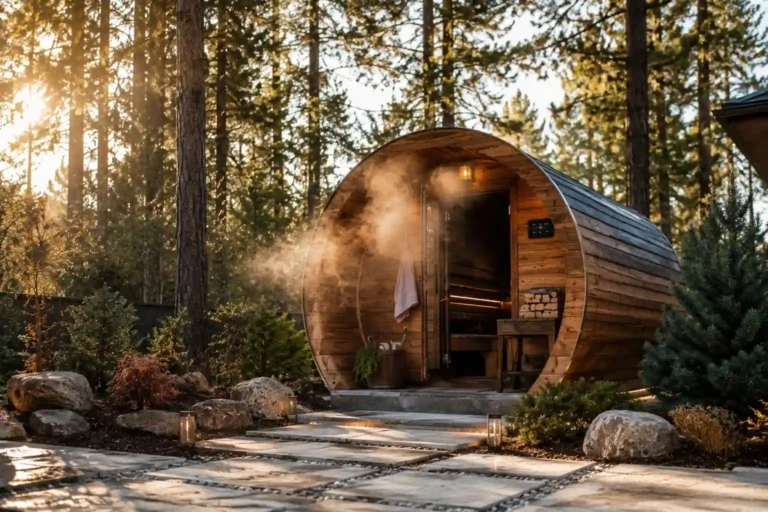
Best Time of Day to Sauna: Morning vs Evening Sauna for Energy, Recovery, and Better Sleep
Could the timing of your sauna session be the secret to better energy, faster recovery, and deeper sleep?
The best time of day to sauna depends on your goals. A morning session may help boost focus and alertness, while an evening sauna can support relaxation and better sleep. In this guide, you’ll discover when to use a sauna for the greatest benefits and how to build a routine that fits your lifestyle.

In this guide, you’ll learn:
- The best time of day to sauna based on specific goals
- Morning sauna vs evening sauna benefits
- How sauna affects sleep, recovery, and energy
- The ideal evening sauna routine for better sleep
- Common mistakes to avoid
- What research and wellness experts say
- Frequently asked questions about sauna timing
The best time of day to sauna depends on your goal. Morning sauna sessions may boost alertness, circulation, and mental focus, while evening sauna sessions often promote relaxation and better sleep. For most people seeking stress relief and recovery, using a sauna 1–3 hours before bedtime is an effective option.
Key Takeaways
- Morning saunas can support energy, focus, and mood.
- Evening saunas are often best for relaxation and sleep quality.
- Sauna timing should align with your lifestyle and wellness goals.
- Hydration is essential before and after every session.
- Athletes often benefit from post-workout sauna use.
- Consistency matters more than the exact time of day.
- Most sauna sessions last between 10 and 20 minutes.
- Listen to your body’s response and adjust accordingly.
Table of Contents
- What Is the Best Time of Day to Sauna?
- How Sauna Affects the Body
- Morning Sauna Benefits
- Evening Sauna Benefits
- Morning Sauna vs Evening Sauna
- Sauna for Better Sleep
- Creating the Ideal Evening Sauna Routine
- Sauna Timing Based on Your Goals
- What Research Says
- Best Practices for Sauna Use
- Common Sauna Mistakes
- Myths About Sauna Timing
- Comparison Table
- Frequently Asked Questions
- Conclusion
What Is the Best Time of Day to Sauna?
The best time of day to sauna depends on whether your primary goal is energy, recovery, relaxation, athletic performance, or sleep improvement.
For example:
- Morning: Energy and focus
- Afternoon: Recovery and stress management
- Evening: Relaxation and sleep support
- Post-workout: Recovery and circulation
Rather than searching for one universal answer, it’s more useful to identify what you want from your sauna session.
How Does a Sauna Affect the Body?
Saunas expose the body to controlled heat, increasing heart rate, circulation, and sweating while promoting relaxation.
During a sauna session:
- Blood vessels widen
- Circulation increases
- Muscles relax
- Heart rate rises
- Sweating helps regulate temperature
- Stress levels may decrease
Many users describe the experience as similar to light cardiovascular activity combined with deep relaxation.
Related wellness concepts include:
- Heat therapy
- Recovery protocols
- Mindfulness practices
- Hydrotherapy
- Thermal wellness
For a deeper look at different sauna technologies

Morning Sauna Benefits
Why Use a Sauna in the Morning?
A morning sauna session can help wake up the body, improve circulation, and create a calm, focused mindset before starting the day.
Many wellness enthusiasts use sauna sessions as part of a morning ritual because heat exposure may:
- Increase alertness
- Improve mood
- Encourage circulation
- Reduce morning stiffness
- Support mental clarity
Potential Benefits of Morning Sauna Use
1. Improved Mental Focus
Many people report feeling mentally refreshed after a sauna session.
Heat exposure followed by cooling can create a sense of alertness that helps prepare for work or daily responsibilities.
2. Reduced Morning Muscle Tightness
If you wake up feeling stiff, warmth can help loosen muscles and joints.
This is particularly useful for:
- Active individuals
- Older adults
- People with sedentary jobs
3. Positive Start to the Day
A sauna session can become part of a healthy self-care routine alongside:
- Hydration
- Stretching
- Meditation
- Breathwork
- Journaling
4. Enhanced Mood
Relaxation and stress reduction may help create a more positive mindset for the day ahead.
Looking to improve your wellness routine? Explore our related wellness guides and practical resources, including our Thermal Wellness
Evening Sauna Benefits
Why Use a Sauna in the Evening?
Evening sauna sessions help many people transition from a busy day into a state of relaxation that supports restful sleep and recovery.
Evening use is especially popular because modern life often leaves people mentally overstimulated.
Benefits may include:
- Reduced stress
- Relaxed muscles
- Improved recovery
- Better sleep preparation
- Reduced tension
How Evening Sauna Sessions Promote Relaxation
After work or daily responsibilities, a sauna provides dedicated time to disconnect.
Many people use sauna sessions to:
- Put away devices
- Practice mindfulness
- Stretch gently
- Slow their breathing
- Reduce mental clutter
This combination creates a powerful relaxation ritual.

Sauna for Better Sleep
Can Sauna Help You Sleep Better?
Many people find that using a sauna before bed helps them relax, unwind, and prepare for sleep.
Heat exposure temporarily raises body temperature.
After leaving the sauna, the body gradually cools down.
This cooling process may help signal that it is time to sleep.
Best Timing for Sleep Support
Many sauna users find success when they:
- Sauna 1–3 hours before bed
- Hydrate afterward
- Avoid heavy meals immediately before use
- Limit screen exposure after the session
Additional Sleep-Friendly Habits
Combine sauna use with:
- Aromatherapy
- Meditation
- Reading
- Gentle stretching
- Breathwork exercises
For complementary relaxation techniques, read:
Evening Sauna Routine for Better Sleep
Step-by-Step Evening Sauna Ritual
Step 1: Finish Dinner Early
Allow enough time between eating and sauna use.
Step 2: Hydrate
Drink water before entering the sauna.
Step 3: Limit Distractions
Turn off notifications and create a calm environment.
Step 4: Sauna for 10–20 Minutes
Use a comfortable duration appropriate for your experience level.
Step 5: Cool Down Gradually
Allow your body temperature to return toward normal.
Step 6: Rehydrate
Replace fluids lost through sweating.
Step 7: Transition Into Bedtime Activities
Consider:
- Reading
- Journaling
- Light stretching
- Meditation
This routine helps transform sauna use into a complete relaxation ritual.

Morning Sauna vs Evening Sauna
Which Is Better?
Neither morning nor evening sauna use is universally better. The ideal choice depends on your wellness goals.
| Factor | Morning Sauna | Evening Sauna |
|---|---|---|
| Energy | Excellent | Moderate |
| Mental Focus | Excellent | Good |
| Relaxation | Good | Excellent |
| Stress Relief | Good | Excellent |
| Sleep Support | Moderate | Excellent |
| Recovery | Good | Excellent |
| Daily Routine | Great for early risers | Great after work |
Choose Morning Sauna If You Want:
- More energy
- Better focus
- A productive routine
- Improved morning mobility
Choose Evening Sauna If You Want:
- Better sleep
- Stress reduction
- Muscle relaxation
- Recovery support
Best Time of Day to Use a Sauna Based on Your Goal
For Better Sleep
Best Time:
1–3 hours before bed
For Stress Relief
Best Time:
Late afternoon or evening
For Athletic Recovery
Best Time:
After training sessions
For Energy and Focus
Best Time:
Morning
For Relaxation
Best Time:
Evening
For Routine Consistency
Best Time:
Whenever you can maintain the habit regularly
What Research Says About Sauna Timing
Research consistently suggests that regular sauna use provides benefits, but individual timing preferences may influence the experience.
Studies examining sauna use have explored topics such as:
- Recovery
- Cardiovascular responses
- Relaxation
- Stress management
- Sleep quality
Experts generally agree that consistency is more important than finding a perfect universal hour.
The ideal schedule is the one you can maintain comfortably and safely.

Relaxation Rituals Using Sauna
A sauna session becomes more powerful when combined with other wellness practices.
Consider pairing sauna use with:
Mindfulness
Focus on breathing and body awareness.
Aromatherapy
Essential oils such as:
- Lavender
- Eucalyptus
- Cedarwood
may enhance relaxation.
Gentle Stretching
Light mobility work can feel particularly comfortable after heat exposure.
Journaling
Many users find post-sauna reflection beneficial.
Head Spa Treatments
For additional relaxation inspiration, explore:
Want more evidence-based wellness tips? Browse our growing collection of expert wellness articles and practical self-care resources.
Common Mistakes sauna Beginners Make
Many sauna users reduce results by making simple timing and hydration mistakes.
Avoid:
- Using a sauna while dehydrated
- Staying too long
- Ignoring dizziness
- Entering immediately after a large meal
- Skipping post-sauna hydration
- Using excessive heat too quickly
- Comparing your tolerance to others
- Expecting instant results
Common Myths About the Best Time of Day to Sauna
Myth 1: Morning Is Always Better
Reality:
Different goals require different timing.
Myth 2: Evening Sauna Causes Poor Sleep
Reality:
Many people experience improved relaxation and sleep quality.
Myth 3: Longer Sessions Are Better
Reality:
Moderate sessions are often more effective and comfortable.
Myth 4: You Must Sauna Every Day
Reality:
Several sessions per week can still support wellness goals.
Myth 5: Sauna Replaces Exercise
Reality:
Sauna complements exercise but does not replace physical activity.
Myth 6: Sweating Equals Detoxification
Reality:
Sweating is primarily a cooling mechanism.
Myth 7: More Heat Means Better Results
Reality:
Excessive heat can increase discomfort and risk.

Who Should Use a Sauna?
Saunas can be suitable for many healthy adults seeking relaxation, recovery, and stress management.
Potential users include:
- Fitness enthusiasts
- Busy professionals
- Individuals seeking relaxation
- People building self-care routines
- Wellness-focused adults
Anyone with health concerns should consult a qualified healthcare professional before beginning sauna use.
Frequently Asked Questions about Day to Sauna
What is the best time of day to sauna?
The best time depends on your goals. Morning sessions may support energy and focus, while evening sessions are often preferred for relaxation and sleep preparation.
Is it better to sauna in the morning or evening?
Neither is universally better. Morning use suits productivity goals, while evening use is ideal for relaxation and recovery.
Can I use a sauna before bed?
Yes. Many people find a sauna session 1–3 hours before bedtime helps them unwind and prepare for sleep.
How long should a sauna session last?
Most sessions last between 10 and 20 minutes, depending on individual comfort and experience.
Does sauna improve sleep quality?
Many users report improved sleep when sauna use becomes part of a consistent evening routine.
Should I sauna before or after exercise?
Many people prefer sauna use after exercise to support recovery and relaxation.
Can I sauna every day?
Some people do, but frequency should match your tolerance, hydration status, and overall wellness plan.
What should I drink after a sauna?
Water is typically the first choice to replace fluids lost through sweating.
Is infrared sauna better in the morning?
Many users enjoy infrared sauna sessions in the morning because they feel gentle and relaxing while still supporting alertness.
Is steam sauna better at night?
Some people prefer steam saunas in the evening because of the calming atmosphere and warmth.
Can sauna help reduce stress?
Yes. Many users report reduced stress and improved relaxation after sauna sessions.
Should I eat before a sauna?
Avoid large meals immediately before use. A lighter meal earlier is generally more comfortable.
How many times per week should I sauna?
Many wellness routines include 2–5 sessions weekly, though preferences vary.
Can a sauna replace meditation?
No. However, sauna sessions can complement mindfulness and meditation practices.
What is the ideal evening sauna routine?
Hydrate, sauna for 10–20 minutes, cool down gradually, rehydrate, and transition into relaxing bedtime activities.
Does a morning sauna wake you up?
Many people report feeling more alert and refreshed after a morning sauna session.
Can sauna help recovery after workouts?
Many athletes use sauna sessions as part of broader recovery routines.
Should beginners use sauna daily?
Most beginners benefit from gradually increasing frequency rather than starting with daily sessions.

Final Thoughts: What Is the Best Time of Day to Sauna?
The best time of day to sauna depends entirely on what you hope to achieve.
If your goal is energy, focus, and a strong start to the day, a morning sauna may be ideal. If you want relaxation, stress relief, recovery, and better sleep, an evening sauna routine often delivers the greatest benefits.
The most important factor is consistency. A sauna session that fits naturally into your lifestyle will likely provide more long-term value than chasing a perfect schedule.
Whether you choose morning or evening, combine sauna use with hydration, healthy habits, and mindful relaxation practices for the best experience.
Discover More Wellness Inspiration
Join thousands of readers who use H2O Blends to discover wellness strategies, self-care ideas, aromatherapy insights, sauna guides, thermal wellness resources, and healthy lifestyle inspiration. Explore more expert content and continue building a wellness routine that works for you.