Immunity Essential Oil Blend Recipe: Natural Aromatic Blends to Support Wellness Year-Round
Every sniffle, cough, and seasonal change leaves many people wondering how to support their wellness naturally. While no essential oil can prevent or cure illness, the right immunity essential oil blend recipe can help create a fresh, comforting environment that supports relaxation, respiratory comfort, and daily well-being.
Popular immunity blends often combine lemon, tea tree, eucalyptus, rosemary, clove, and frankincense essential oils. These powerful aromatic oils are widely used in diffusers, room sprays, and DIY wellness routines thanks to their refreshing scents and naturally occurring plant compounds.
In this guide, you’ll discover the best immunity essential oil blend recipes, the science behind the ingredients, safety tips, and simple ways to incorporate these blends into your everyday wellness routine.

An immunity essential oil blend recipe usually combines lemon, tea tree, eucalyptus, rosemary, and frankincense essential oils. Diffusing 3 drops lemon, 2 drops tea tree, 2 drops eucalyptus, and 1 drop frankincense can create a refreshing, cleansing aroma that supports a healthy wellness environment. While essential oils cannot cure illness, they may complement healthy habits such as proper sleep, hydration, nutrition, and hand hygiene.
Key Takeaways
- Essential oils can complement a wellness-focused lifestyle.
- Lemon, tea tree, eucalyptus, clove, rosemary, and frankincense are popular oils for immunity blends.
- Aromatherapy may help support respiratory comfort and relaxation.
- Diffusers, room sprays, and roll-ons are common application methods.
- Proper dilution is essential for safety.
- Essential oils should never replace medical care.
- Consistent healthy habits remain the foundation of immune support.
What Is an Immunity Essential Oil Blend Recipe?
An immunity essential oil blend recipe is a carefully selected combination of essential oils traditionally used to promote a fresh, clean, and supportive environment for overall wellness.
These blends are often used:
- In ultrasonic diffusers
- In room sprays
- In personal inhalers
- In diluted topical applications
- During seasonal changes
- When household members want extra aromatic support
The goal isn’t to “boost” immunity overnight. Instead, these blends help create a wellness-focused atmosphere that complements healthy lifestyle choices.
Why Do People Use Essential Oils for Immune Support?
Many essential oils contain naturally occurring compounds such as:
- Terpenes
- Phenols
- Oxides
- Alcohols
- Esters
Researchers have investigated some of these compounds for antimicrobial, antioxidant, and anti-inflammatory properties.
For example:
Tea Tree Oil
Contains terpinen-4-ol, a compound studied for antimicrobial activity.
Eucalyptus Oil
Rich in 1,8-cineole, which has been researched for respiratory support.
Lemon Oil
Contains limonene, known for its uplifting citrus aroma and antioxidant potential.
Clove Oil
Contains eugenol, a compound widely studied for antimicrobial properties.
Frankincense Oil
Contains boswellic compounds and aromatic constituents valued in wellness practices.
Although laboratory studies are promising, essential oils should be viewed as supportive tools rather than medical treatments.
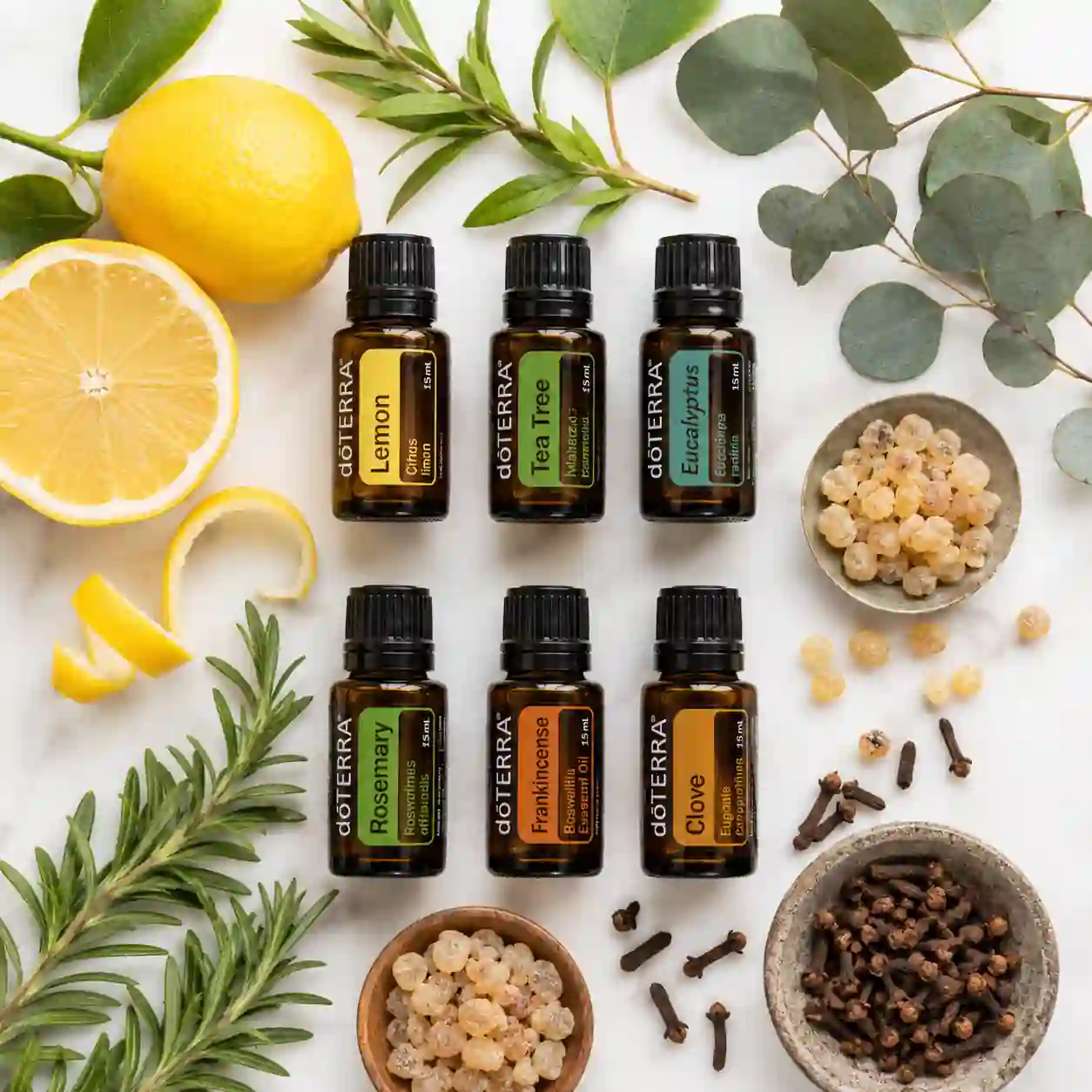
Best Essential Oils for Immunity Blends
Lemon Essential Oil
Benefits:
- Bright, uplifting aroma
- Refreshes indoor air
- Supports a positive mood
- Blends well with most oils
Best paired with:
- Tea tree
- Frankincense
- Rosemary
- Eucalyptus
Tea Tree Essential Oil
Benefits:
- Fresh medicinal scent
- Popular for cleansing blends
- Frequently used in wellness routines
Best paired with:
- Lemon
- Lavender
- Eucalyptus
- Rosemary
Eucalyptus Essential Oil
Benefits:
- Crisp, cooling aroma
- Supports breathing comfort
- Ideal for seasonal wellness blends
Best paired with:
- Peppermint
- Tea tree
- Lemon
- Rosemary
Rosemary Essential Oil
Benefits:
- Herbaceous scent
- Promotes focus
- Complements respiratory blends
Best paired with:
- Lemon
- Eucalyptus
- Peppermint
- Tea tree
Frankincense Essential Oil
Benefits:
- Grounding aroma
- Supports relaxation
- Adds depth to immunity blends
Best paired with:
- Lemon
- Lavender
- Orange
- Tea tree
Clove Essential Oil
Benefits:
- Warm spicy scent
- Frequently included in seasonal blends
- Powerful aroma
Best paired with:
- Orange
- Lemon
- Cinnamon
- Frankincense
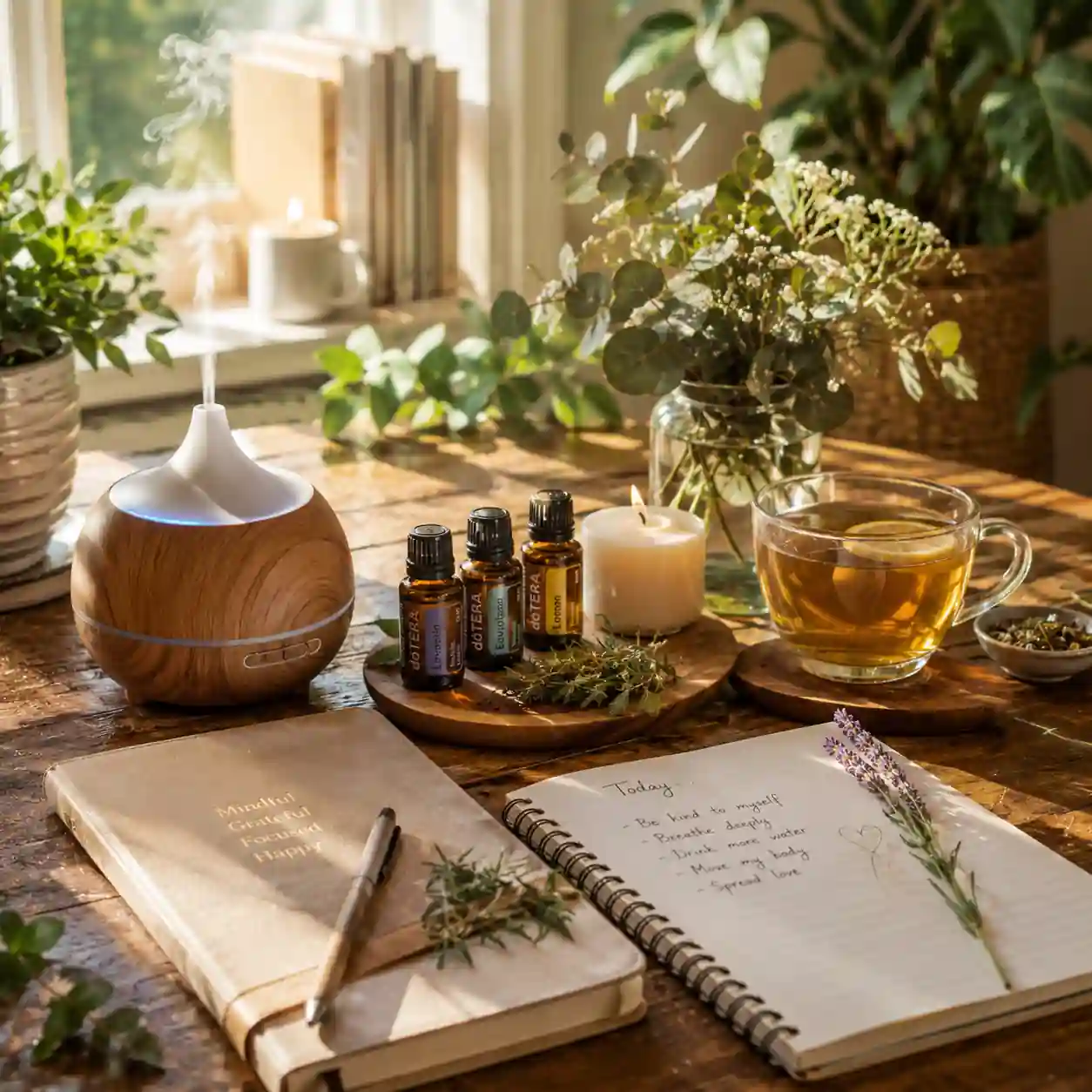
Immunity Essential Oil Blend Recipes
Classic Wellness Diffuser Blend
Ingredients
- 3 drops lemon
- 2 drops tea tree
- 2 drops eucalyptus
- 1 drop frankincense
Why it works
This balanced blend combines fresh citrus, cleansing herbal notes, and grounding resinous aromas.
Seasonal Defense Blend
Ingredients
- 3 drops clove
- 3 drops lemon
- 2 drops rosemary
- 2 drops eucalyptus
Aroma Profile
Warm, spicy, and invigorating.
Perfect during autumn and winter.
Respiratory Comfort Blend
Ingredients
- 3 drops eucalyptus
- 2 drops peppermint
- 2 drops rosemary
- 1 drop tea tree
Best Use
Diffuse for 30-60 minutes in well-ventilated rooms.
Family-Friendly Wellness Blend
Ingredients
- 3 drops sweet orange
- 2 drops lavender
- 2 drops frankincense
- 1 drop lemon
Benefits
Gentler aroma profile suitable for many households.
Morning Immunity Support Blend
Ingredients
- 4 drops lemon
- 3 drops grapefruit
- 2 drops rosemary
Benefits
Bright, energizing, and refreshing.
Cozy Winter Wellness Blend
Ingredients
- 3 drops orange
- 2 drops clove
- 2 drops frankincense
- 1 drop cinnamon leaf
Creates a comforting seasonal atmosphere.
Comparison Table: Popular Immunity Essential Oils
| Essential Oil | Main Aroma | Common Wellness Use | Best Pairings |
|---|---|---|---|
| Lemon | Fresh citrus | Refreshing environment | Tea tree, frankincense |
| Tea Tree | Medicinal herbal | Cleansing blends | Lemon, eucalyptus |
| Eucalyptus | Cooling herbal | Respiratory support | Rosemary, peppermint |
| Frankincense | Resinous | Relaxation | Lemon, lavender |
| Clove | Warm spice | Seasonal blends | Orange, cinnamon |
| Rosemary | Herbaceous | Focus and freshness | Lemon, eucalyptus |
| Lavender | Floral | Stress support | Frankincense, lemon |
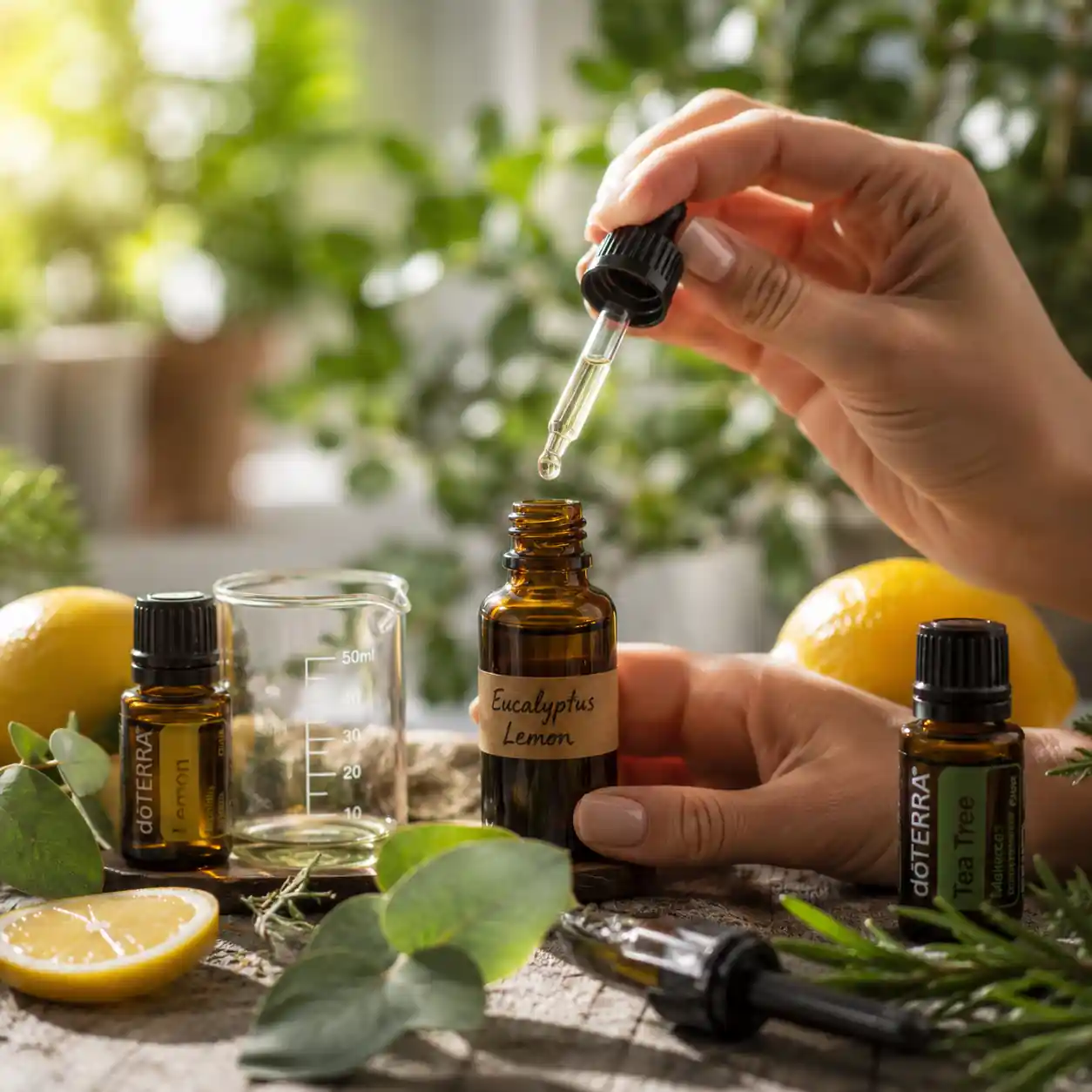
Step-by-Step Guide: Make Your Own Immunity Blend
Step 1: Choose a Purpose
Decide whether you want:
- Respiratory support
- Seasonal wellness
- Air freshening
- Relaxation
- Family-friendly use
Step 2: Select Your Oils
Start with:
- One citrus oil
- One herbal oil
- One grounding oil
Example:
- Lemon
- Tea tree
- Frankincense
Step 3: Blend Small Batches
Create test blends using:
- 5–10 total drops
Adjust ratios until you enjoy the scent.
Step 4: Record Recipes
Keep a notebook of:
- Oil combinations
- Drop counts
- Results
This helps you recreate successful blends.
Step 5: Use Safely
Always follow dilution guidelines and manufacturer recommendations.
Scientific Evidence Behind Essential Oils and Immunity
Research suggests some essential oils contain compounds with antimicrobial and antioxidant properties.
Laboratory studies have examined:
- Tea tree oil
- Eucalyptus oil
- Lemon oil
- Clove oil
- Rosemary oil
However, most studies occur in controlled laboratory environments rather than real-world household settings.
Current evidence suggests essential oils may:
- Support emotional well-being
- Improve perceived air freshness
- Encourage relaxation
- Enhance wellness routines
There is insufficient evidence to claim that essential oils can prevent infections or cure diseases.
A balanced approach combines aromatherapy with proven health practices.
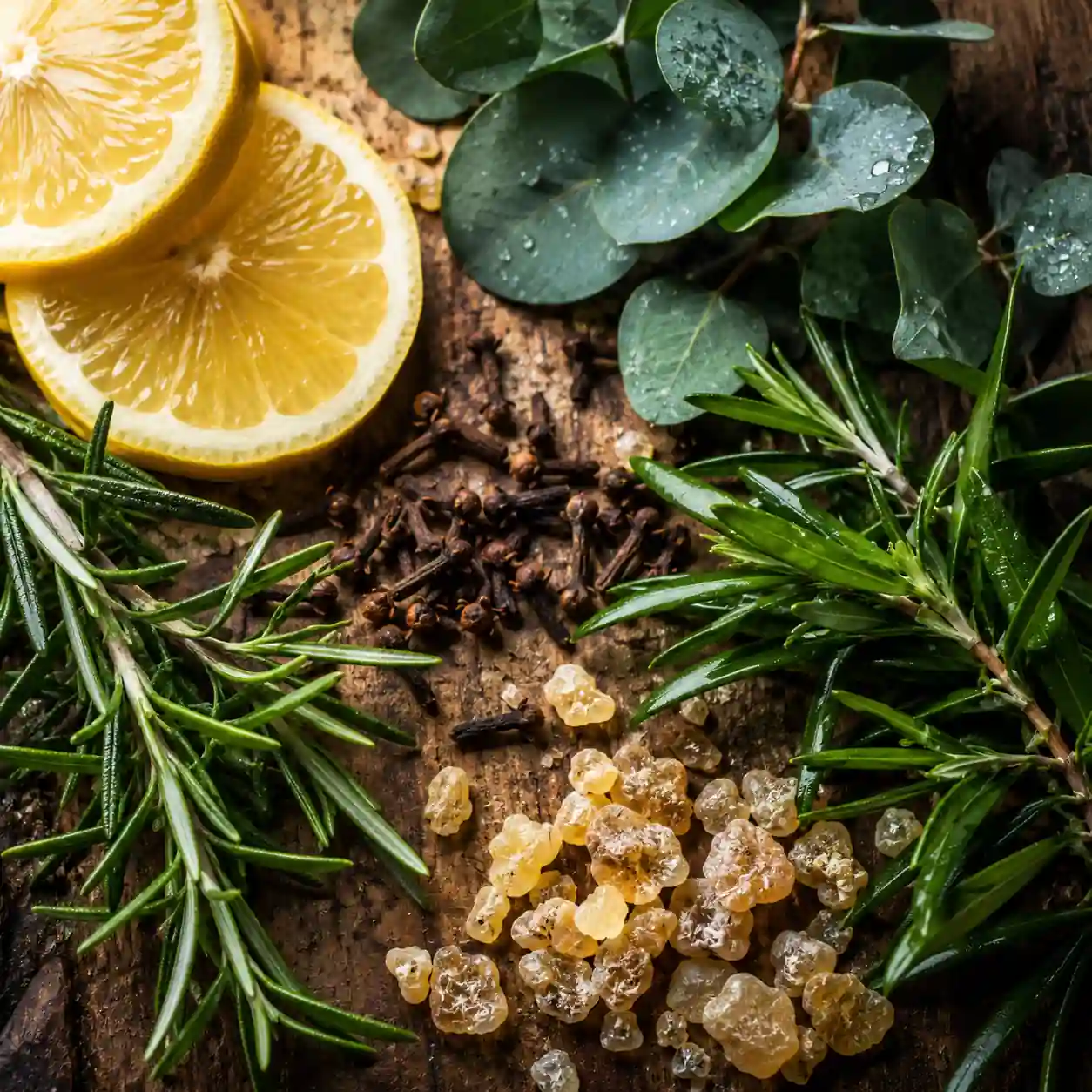
Common Mistakes to Avoid
Using Too Many Oils
More oils do not always create a better blend.
Stick to 3-5 oils initially.
Ignoring Dilution
Undiluted oils may irritate skin.
Always use carrier oils when applying topically.
Diffusing All Day
Continuous diffusion may overwhelm the senses.
Use intermittent sessions.
Using Low-Quality Oils
Look for:
- Botanical name
- Purity testing
- Transparent sourcing
Expecting Medical Results
Essential oils support wellness but are not medicines.
Recommended Ingredients and Products
Several ingredients commonly complement immunity-focused essential oil routines.
Frankincense Oil
Popular for:
- Grounding aroma
- Relaxation
- Seasonal diffuser blends
Lavender Oil
Helpful for:
- Stress management
- Better relaxation
- Evening wellness rituals
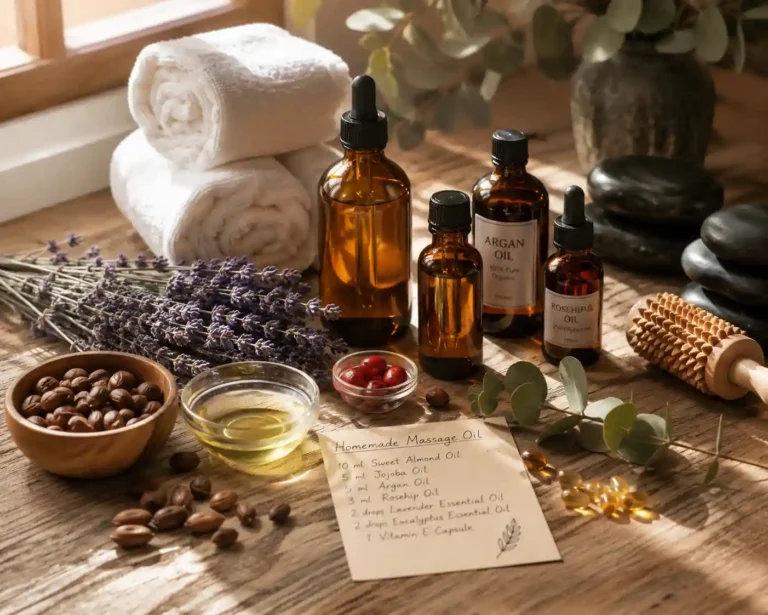
Jojoba Oil
Excellent carrier oil because:
- Stable shelf life
- Lightweight texture
- Suitable for many skin types
Rosehip Oil
Often used in skincare blends.
Benefits include:
- Lightweight hydration
- Antioxidant-rich composition
Argan Oil
Useful carrier oil for:
- Massage blends
- Daily skin nourishment
Vitamin E
Frequently added to DIY oil blends because it may help extend shelf life and provide antioxidant support.
What is an immunity essential oil blend?
An immunity essential oil blend is a combination of oils commonly used in aromatherapy to create a refreshing and wellness-focused environment. Popular ingredients include lemon, tea tree, eucalyptus, rosemary, and frankincense.
Does an immunity essential oil blend work?
Essential oils may support relaxation, respiratory comfort, and a positive environment. However, they do not prevent, treat, or cure illnesses and should complement—not replace—healthy lifestyle habits.
Can essential oils strengthen the immune system?
There is limited evidence that aromatherapy directly strengthens immunity. Some essential oils contain compounds studied for antimicrobial and antioxidant properties, but more research is needed.
How often should you diffuse immunity blends?
Many aromatherapists recommend diffusing for 30-60 minutes at a time with breaks in between. Follow manufacturer recommendations for your diffuser.
Is an immunity essential oil blend worth trying?
If you enjoy aromatherapy and want a natural wellness ritual, immunity blends can be a pleasant addition to your routine. They may help create a refreshing and comforting atmosphere.
Explore More Blends for Every Mood and Need
Looking for More Than Immunity Support?
If you enjoy experimenting with essential oils, don’t stop with just one blend.
Our comprehensive guide:
25 Easy Essential Oil Blend Recipes for Every Mood and Need
includes expertly crafted recipes for:
- Energy and focus
- Better sleep
- Stress relief
- Relaxation
- Seasonal wellness
- Meditation
- Productivity
- Cozy home fragrances
- Self-care rituals
Think of it as your complete essential oil recipe collection—perfect for building a personalized aromatherapy toolkit throughout the year.
Whether you want a calming bedtime blend, an uplifting morning diffuser recipe, or a cozy autumn scent, you’ll discover practical combinations you can start using immediately.
Read it next to expand your essential oil blending skills and create a recipe for every moment of your day.
Frequently Asked Questions about immunity blends
1. What essential oils are best for immunity blends?
Lemon, tea tree, eucalyptus, rosemary, clove, frankincense, peppermint, and sweet orange are among the most popular choices.
2. Can I diffuse immunity blends every day?
Yes, many people diffuse wellness blends daily. Use moderate amounts and provide ventilation.
3. Is tea tree oil necessary in immunity recipes?
No. While tea tree is popular, alternatives include rosemary, lemon, eucalyptus, and frankincense.
4. What carrier oil works best for roll-on blends?
Jojoba oil is often preferred because it is lightweight, stable, and compatible with many skin types.
5. Can children use immunity essential oil blends?
Some oils may not be suitable for young children. Always follow age-specific safety guidelines and consult a qualified healthcare professional.
6. Can I apply immunity blends directly to skin?
No. Most essential oils require dilution with a carrier oil before topical use.
7. Which essential oil smells best with lemon?
Frankincense, rosemary, eucalyptus, lavender, sweet orange, and tea tree pair particularly well with lemon.
8. Are immunity blends safe during pregnancy?
Pregnant individuals should consult their healthcare provider before using essential oils because safety varies by oil.
9. What is the strongest immunity diffuser blend?
Many enthusiasts favor a combination of lemon, tea tree, eucalyptus, and rosemary because it creates a fresh, invigorating aroma.
10. Can immunity blends replace healthy habits?
No. Sleep, nutrition, hydration, exercise, and proper medical care remain the foundations of immune health.
Final Thoughts
An immunity essential oil blend recipe is a simple way to bring more intention and comfort into your daily wellness routine. Whether you prefer the bright freshness of lemon, the cleansing aroma of tea tree, or the grounding scent of frankincense, the right blend can help create an environment that feels refreshing, relaxing, and supportive throughout the year.
While essential oils aren’t a substitute for healthy lifestyle habits or medical care, they can be a meaningful addition to a holistic wellness approach that includes quality sleep, balanced nutrition, regular movement, hydration, and stress management.
Start with one of the recipes in this guide, experiment with different combinations, and discover the aromas that work best for your home and lifestyle. And if you’re ready to expand your collection, be sure to explore our 25 Easy Essential Oil Blend Recipes for Every Mood and Need for even more diffuser blends, seasonal favorites, and everyday wellness inspirations.