What Essential Oils Blend Well Together? Complete Pairing Guide
Have you ever opened your collection of essential oils, excited to create a beautiful blend, only to wonder which oils actually work together? You’re not alone. Many people invest in high-quality oils but end up using the same single scent repeatedly because they’re unsure how to combine aromas without creating an overpowering or unbalanced fragrance.
The good news is that essential oil blending follows predictable patterns. Certain oils naturally complement each other based on their aroma profiles, therapeutic properties, and chemical compositions. Understanding these relationships can help you create calming, energizing, grounding, romantic, or uplifting blends with confidence.
The short answer: Essential oils blend best when you combine complementary scent families. For example, lavender pairs beautifully with cedarwood, bergamot, and geranium; cedarwood blends well with orange, lavender, and sandalwood; while ylang ylang complements grapefruit, jasmine, and sandalwood. Learning these pairings makes it easy to create balanced and effective essential oil blends.
What Essential Oils Blend Well Together?
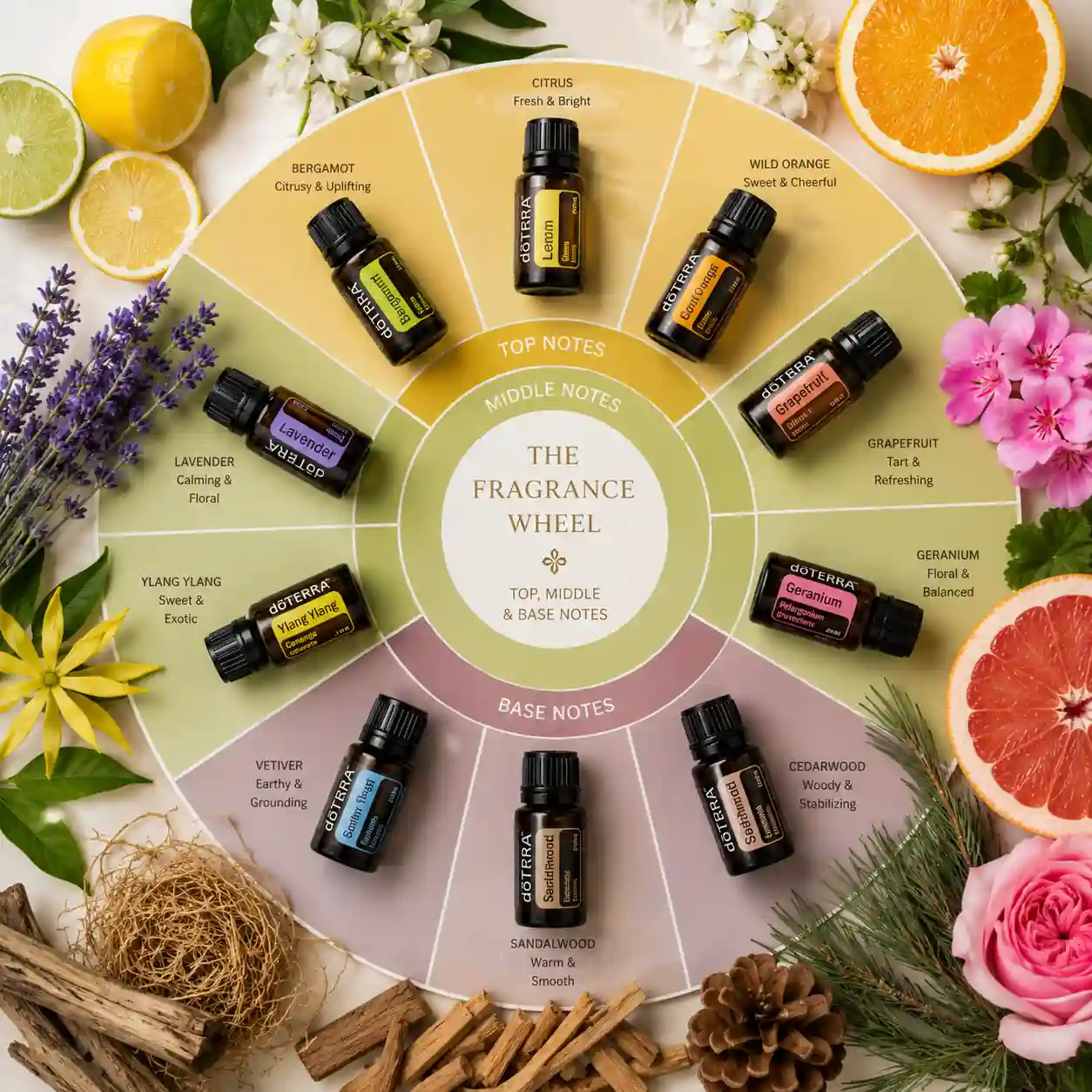
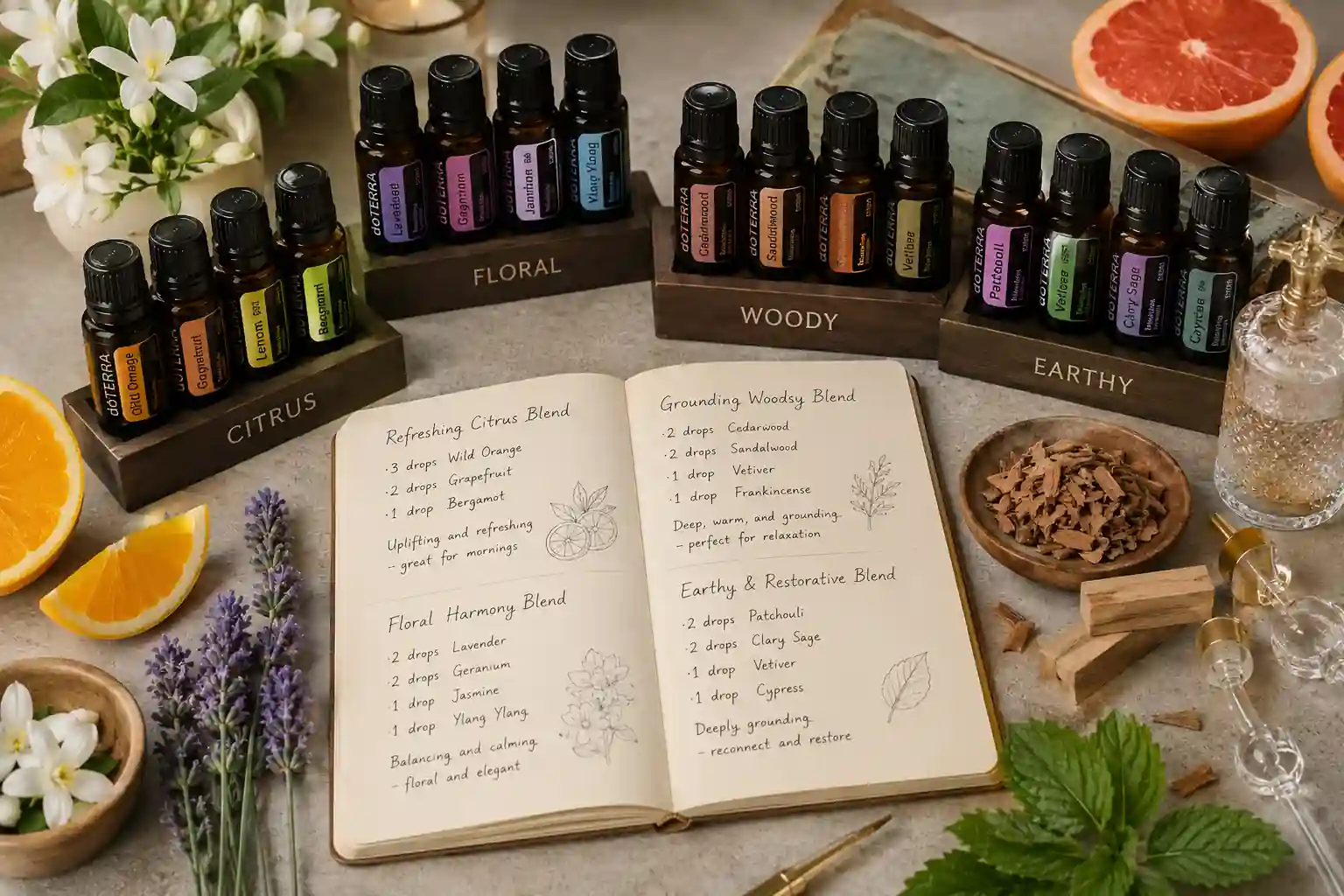
Essential oils blend well together when their aroma profiles complement each other. Floral oils like lavender, jasmine, and geranium pair well with woody oils such as cedarwood and sandalwood. Citrus oils like orange and grapefruit brighten earthy oils like patchouli and vetiver. For balanced blends, combine top notes (citrus), middle notes (floral), and base notes (woody or earthy oils) to create depth, longevity, and aromatic harmony.
Key Takeaways
- Essential oils blend best when combining complementary scent families.
- Citrus oils brighten woody and earthy aromas.
- Floral oils soften stronger woody and spicy oils.
- Base-note oils like sandalwood, patchouli, and vetiver help blends last longer.
- Lavender is one of the most versatile blending oils available.
- Using top, middle, and base notes creates balanced, professional-quality blends.
- Proper dilution and safe usage are essential for skin application.
Understanding Essential Oil Blending Basics
Before exploring individual oils, it’s helpful to understand why some combinations work better than others.
Professional aromatherapists often build blends using three fragrance layers:
| Note Type | Characteristics | Examples |
|---|---|---|
| Top Notes | Fresh, light, evaporate quickly | Orange, Grapefruit, Lemon |
| Middle Notes | Heart of the blend | Lavender, Geranium, Jasmine |
| Base Notes | Deep, grounding, long-lasting | Cedarwood, Patchouli, Vetiver, Sandalwood |
A balanced blend often contains:
- 30% top notes
- 50% middle notes
- 20% base notes
This structure creates depth and longevity while preventing any single oil from overpowering the blend.
Essential Oil Blends by Single Oil
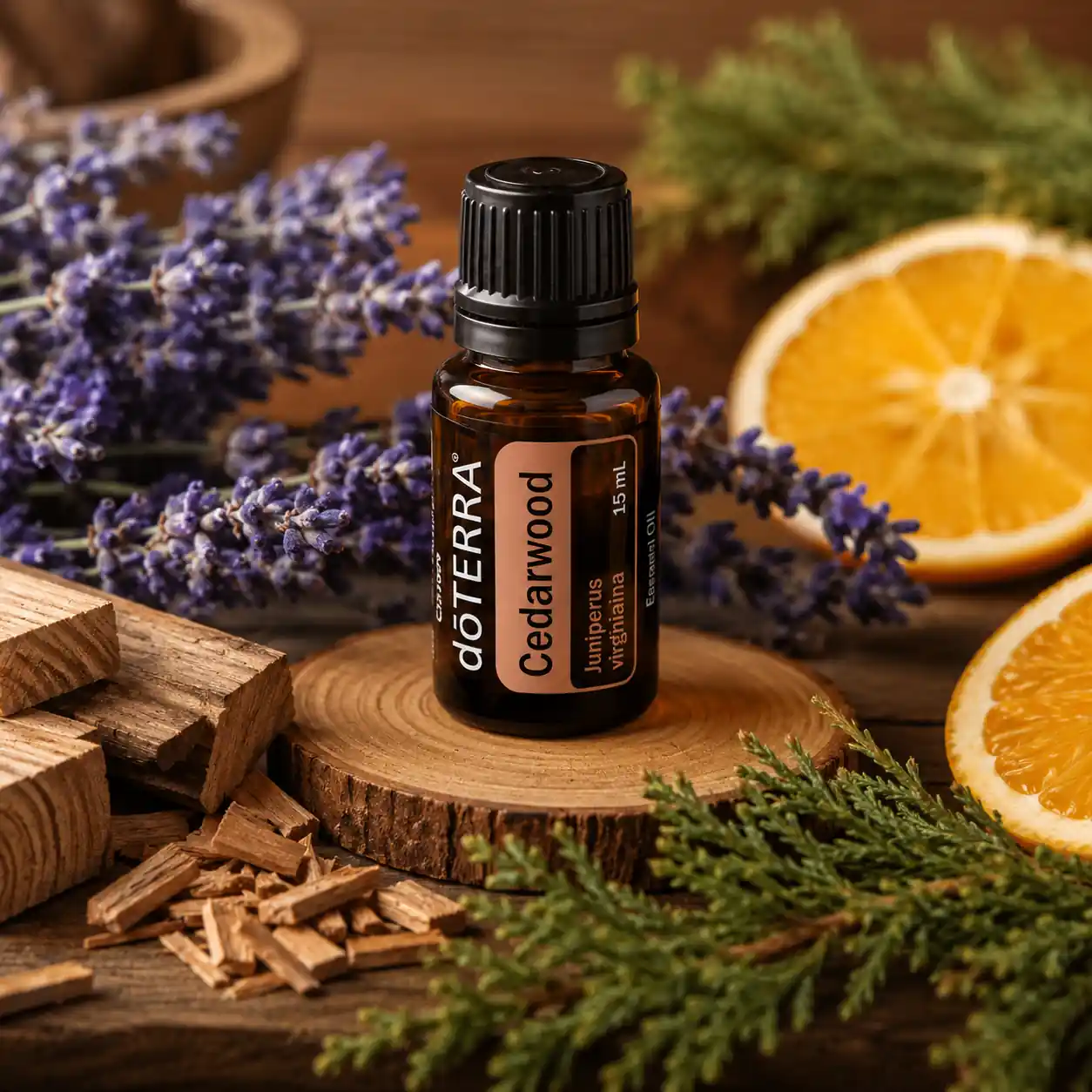
Cedarwood Essential Oil Blends
What Does Cedarwood Blend Well With?
Cedarwood essential oil blends well with:
- Lavender
- Orange
- Bergamot
- Frankincense
- Sandalwood
- Vetiver
- Patchouli
- Geranium
- Black Pepper
- Ylang Ylang
Cedarwood’s warm, woody aroma acts as an excellent foundation oil.
Cedarwood Relaxation Blend
- 4 drops cedarwood
- 3 drops lavender
- 2 drops bergamot
Cedarwood Sleep Blend
- 4 drops cedarwood
- 4 drops lavender
- 2 drops frankincense
Cedarwood Grounding Blend
- 3 drops cedarwood
- 2 drops vetiver
- 2 drops sandalwood
Why it works: Cedarwood contains naturally calming aromatic compounds that complement relaxing floral and woody oils.
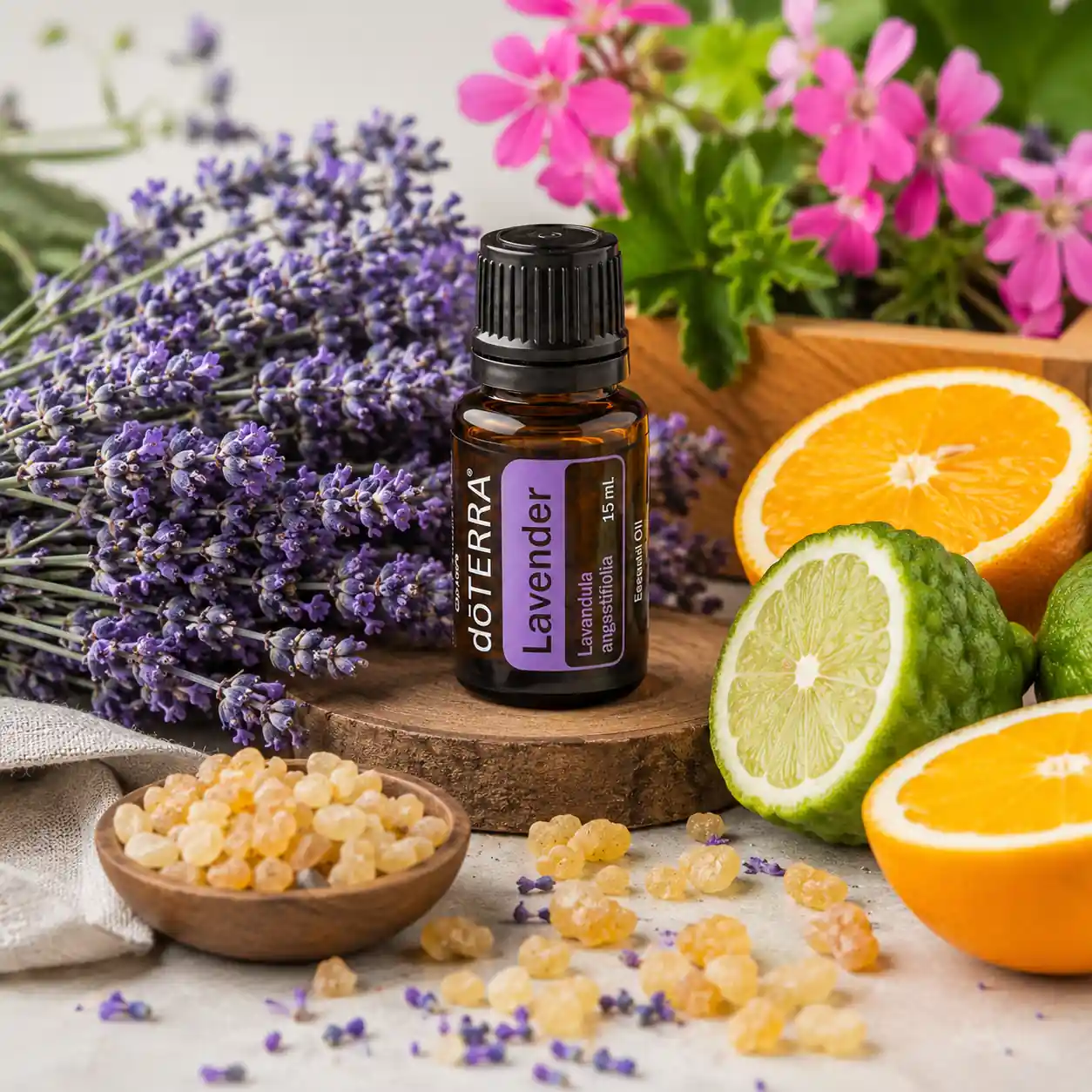
Lavender Essential Oil Blends
Lavender Essential Oil Blends Well With
Lavender is often called the “universal blender” because it pairs with nearly every oil family.
Best companions include:
- Cedarwood
- Orange
- Lemon
- Bergamot
- Geranium
- Patchouli
- Sandalwood
- Vetiver
- Jasmine
- Frankincense
Lavender Serenity Blend
- 5 drops lavender
- 3 drops cedarwood
- 2 drops frankincense
Lavender Citrus Blend
- 4 drops lavender
- 4 drops sweet orange
- 2 drops grapefruit
Lavender Floral Garden Blend
- 4 drops lavender
- 3 drops geranium
- 2 drops jasmine
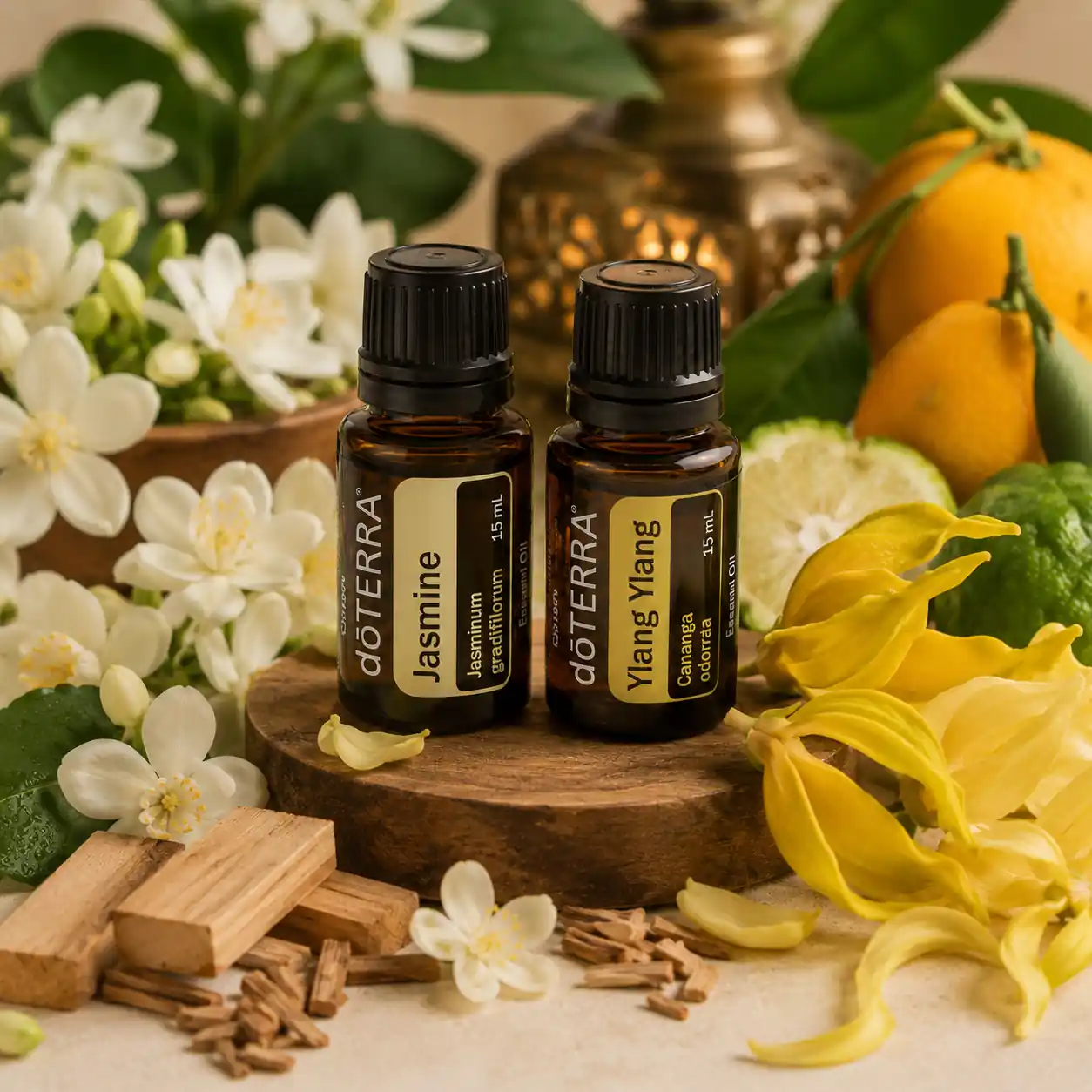
Jasmine Essential Oil Blends
Jasmine is luxurious, intensely floral, and emotionally uplifting.
Jasmine Essential Oil Blends Well With
- Sandalwood
- Ylang Ylang
- Lavender
- Geranium
- Grapefruit
- Orange
- Bergamot
- Frankincense
Romantic Jasmine Blend
- 3 drops jasmine
- 3 drops ylang ylang
- 4 drops sandalwood
Uplifting Jasmine Blend
- 3 drops jasmine
- 4 drops grapefruit
- 3 drops bergamot
Floral Elegance Blend
- 3 drops jasmine
- 3 drops lavender
- 3 drops geranium
Patchouli Essential Oil Blends
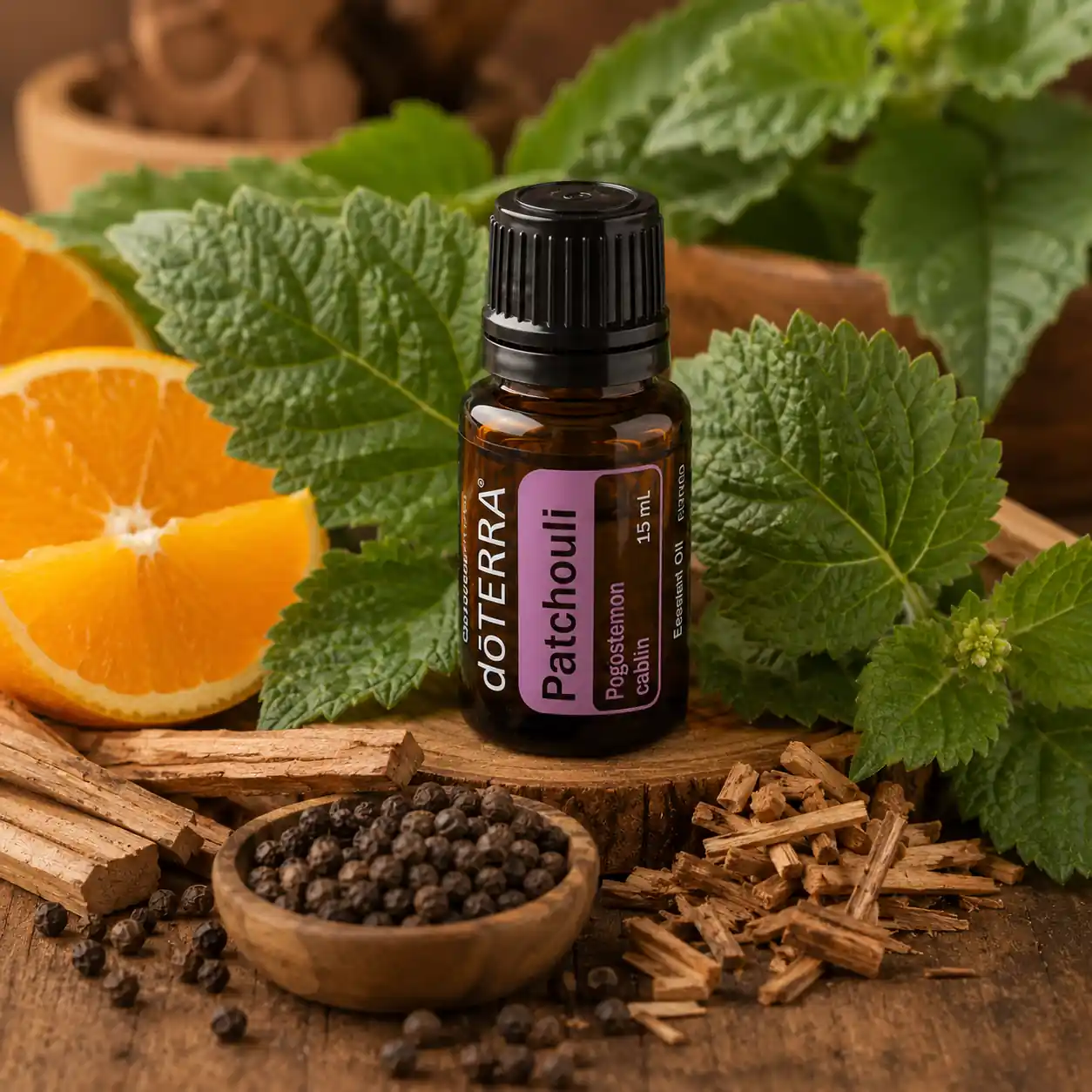
Patchouli has a rich, earthy aroma that adds depth and longevity.
Patchouli Essential Oil Blends Well With
- Orange
- Grapefruit
- Lavender
- Geranium
- Cedarwood
- Sandalwood
- Frankincense
- Black Pepper
Earth & Citrus Blend
- 3 drops patchouli
- 5 drops sweet orange
- 2 drops grapefruit
Deep Relaxation Blend
- 4 drops patchouli
- 3 drops lavender
- 3 drops cedarwood
Warm Comfort Blend
- 3 drops patchouli
- 3 drops sandalwood
- 2 drops black pepper
Sandalwood Essential Oil Blends
Sandalwood is one of the most prized base-note oils in aromatherapy.
Sandalwood Essential Oil Blends Well With
- Jasmine
- Lavender
- Cedarwood
- Vetiver
- Frankincense
- Ylang Ylang
- Orange
- Geranium
Meditation Blend
- 4 drops sandalwood
- 3 drops frankincense
- 3 drops cedarwood
Luxury Floral Blend
- 4 drops sandalwood
- 3 drops jasmine
- 2 drops ylang ylang
Calm Mind Blend
- 5 drops sandalwood
- 3 drops lavender
- 2 drops bergamot
Geranium Essential Oil Blends
Geranium offers a floral scent with subtle rosy and herbal notes.
Geranium Essential Oil Blends Well With
- Lavender
- Grapefruit
- Cedarwood
- Patchouli
- Orange
- Ylang Ylang
- Jasmine
- Sandalwood
Fresh Floral Blend
- 4 drops geranium
- 4 drops grapefruit
- 2 drops lavender
Balanced Mood Blend
- 3 drops geranium
- 3 drops cedarwood
- 4 drops orange
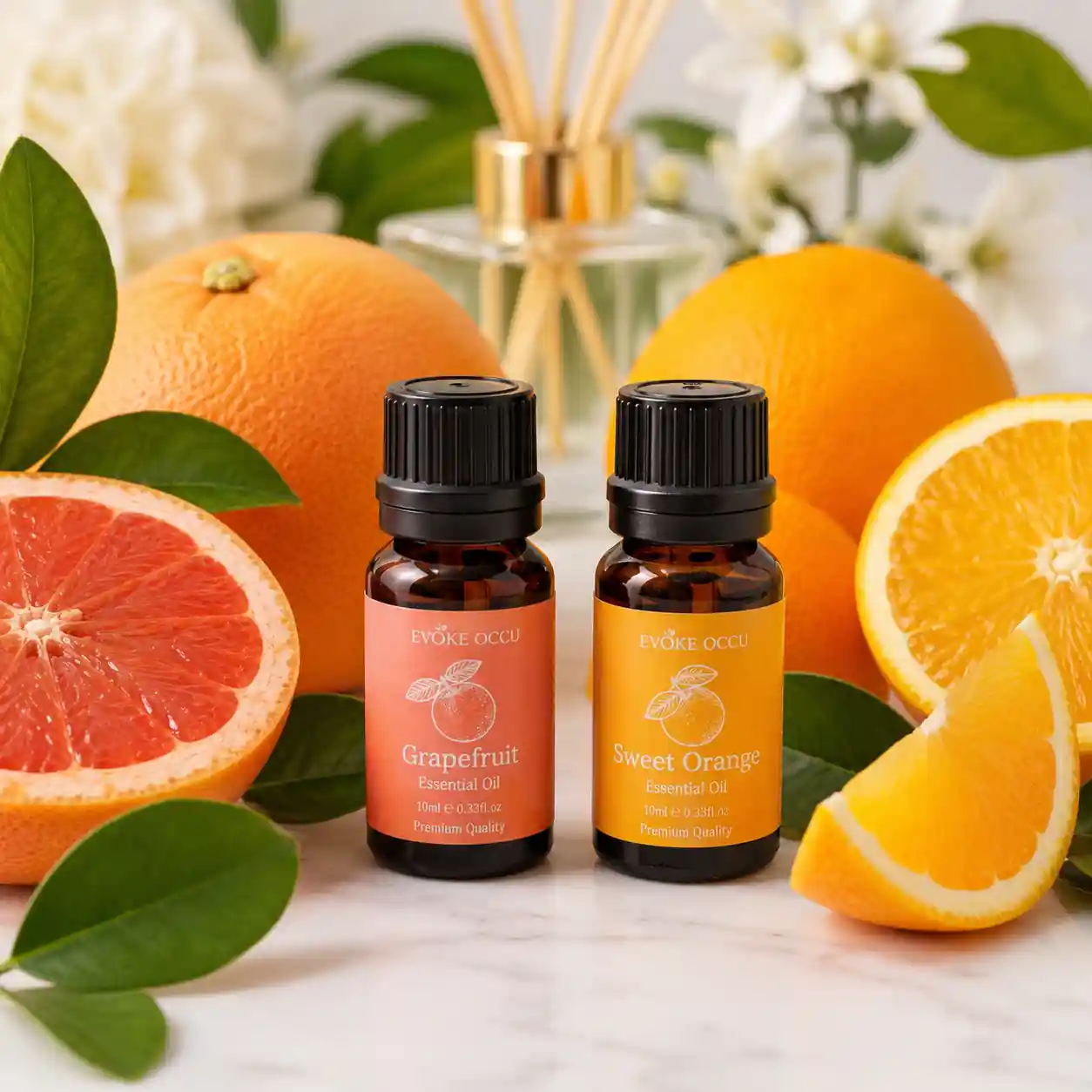
Grapefruit Essential Oil Blends
Grapefruit is fresh, bright, and energizing.
Grapefruit Essential Oil Blends Well With
- Lavender
- Geranium
- Ylang Ylang
- Cedarwood
- Orange
- Patchouli
- Jasmine
Morning Energy Blend
- 5 drops grapefruit
- 3 drops orange
- 2 drops peppermint
Sunshine Blend
- 4 drops grapefruit
- 3 drops geranium
- 3 drops lavender
Ylang Ylang Essential Oil Blends
Ylang ylang has an intensely sweet tropical floral aroma.
Ylang Ylang Essential Oil Blends Well With
- Jasmine
- Grapefruit
- Orange
- Sandalwood
- Cedarwood
- Lavender
- Geranium
- Vetiver
Tropical Paradise Blend
- 4 drops ylang ylang
- 4 drops orange
- 2 drops grapefruit
Romantic Evening Blend
- 3 drops ylang ylang
- 3 drops jasmine
- 4 drops sandalwood
Stress Relief Blend
- 3 drops ylang ylang
- 4 drops lavender
- 3 drops cedarwood
Vetiver Essential Oil Blends
Vetiver Essential Oil Blends Well With
- Cedarwood
- Lavender
- Sandalwood
- Orange
- Grapefruit
- Ylang Ylang
- Frankincense
Vetiver provides deep earthy richness and exceptional staying power.
Grounding Blend
- 3 drops vetiver
- 4 drops cedarwood
- 3 drops sandalwood
Balanced Focus Blend
- 2 drops vetiver
- 4 drops grapefruit
- 4 drops lavender
Black Pepper Essential Oil Blends
Black Pepper Essential Oil Blends Well With
- Cedarwood
- Patchouli
- Orange
- Lavender
- Frankincense
- Sandalwood
Warm Spice Blend
- 2 drops black pepper
- 4 drops orange
- 4 drops cedarwood
Cozy Evening Blend
- 2 drops black pepper
- 3 drops sandalwood
- 3 drops patchouli
Essential Oil Blends With Helichrysum
Helichrysum is treasured in skincare and premium aromatherapy.
Essential Oil Blends With Helichrysum
- Lavender
- Frankincense
- Cedarwood
- Sandalwood
- Geranium
- Rose
- Jasmine
Skin-Nourishing Blend
- 2 drops helichrysum
- 3 drops lavender
- 2 drops frankincense
Luxury Botanical Blend
- 2 drops helichrysum
- 3 drops geranium
- 3 drops sandalwood
Orange Essential Oil Blends Well With
Sweet orange is one of the easiest oils to blend.
Best Pairings
- Cedarwood
- Lavender
- Patchouli
- Vetiver
- Black Pepper
- Ylang Ylang
- Frankincense
- Geranium
Happy Home Blend
- 5 drops orange
- 3 drops cedarwood
- 2 drops lavender
Cozy Citrus Blend
- 4 drops orange
- 3 drops patchouli
- 3 drops cedarwood
Energizing Blend
- 5 drops orange
- 3 drops grapefruit
- 2 drops peppermint
Scientific Insights Behind Essential Oil Pairings
Modern aromatherapy research suggests that essential oil combinations may create synergistic effects. Studies have explored how aromatic compounds influence mood, perceived stress, relaxation, and overall wellbeing through the olfactory system.
Some commonly studied compounds include:
| Compound | Found In | Potential Aromatic Benefit |
|---|---|---|
| Linalool | Lavender | Relaxation |
| Limonene | Orange, Grapefruit | Uplifting aroma |
| Cedrol | Cedarwood | Calming scent |
| Patchoulol | Patchouli | Grounding aroma |
| Santalol | Sandalwood | Relaxing fragrance |
While research on aromatherapy continues to evolve, scent preferences remain highly individual. What smells calming to one person may not have the same effect for another.
How to Create Your Own Essential Oil Blend
Step 1: Choose Your Goal
Examples:
- Relaxation
- Better sleep
- Focus
- Energy
- Mood support
- Meditation
Step 2: Select Your Base Note
Examples:
- Cedarwood
- Sandalwood
- Patchouli
- Vetiver
Step 3: Add a Middle Note
Examples:
- Lavender
- Geranium
- Jasmine
- Ylang Ylang
Step 4: Add a Top Note
Examples:
- Orange
- Grapefruit
- Bergamot
Step 5: Test Before Scaling
Start with:
- 2 drops base note
- 3 drops middle note
- 2 drops top note
Adjust according to preference.
Common Essential Oil Blending Mistakes
Using Too Many Oils
More isn’t always better. Three to five oils usually create the most harmonious blends.
Ignoring Aroma Strength
Patchouli, vetiver, jasmine, and ylang ylang can dominate lighter oils.
Forgetting Safety Guidelines
Always dilute before topical application.
Using Equal Amounts of Every Oil
Strong oils typically require fewer drops.
Not Recording Recipes
Keep a blending journal to recreate successful combinations.
Recommended Ingredients and Products
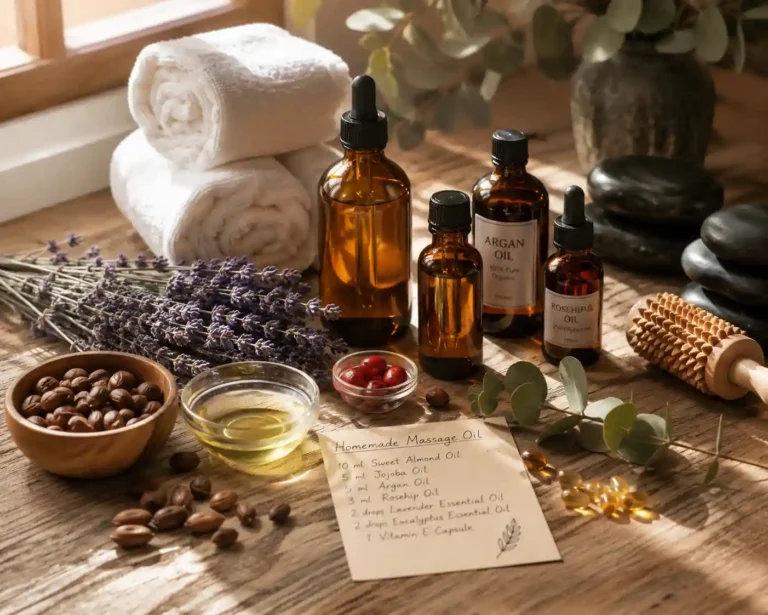
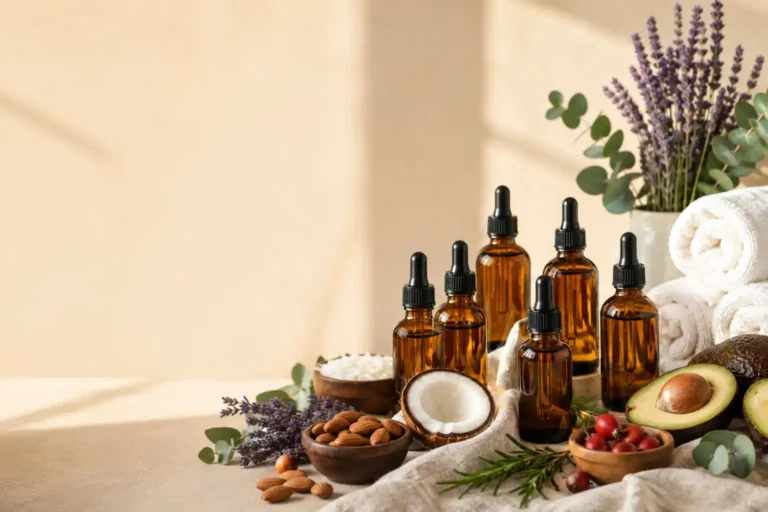
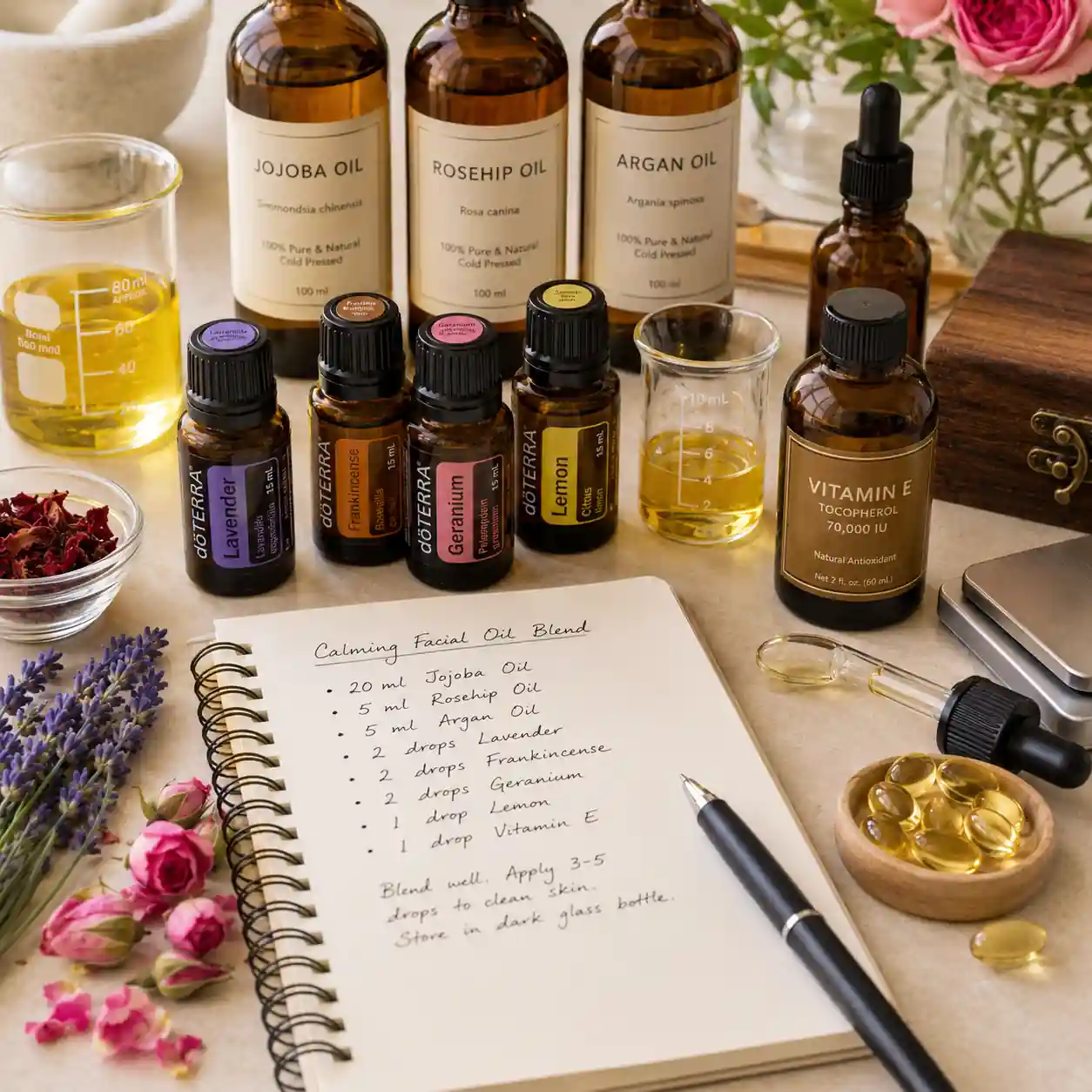
Alongside essential oils, several carrier oils and supportive ingredients can enhance your aromatherapy and skincare routine.
Jojoba Oil
- Lightweight
- Similar to skin’s natural sebum
- Excellent carrier oil
Rosehip Oil
- Rich in essential fatty acids
- Popular in facial oil blends
Argan Oil
- Moisturizing
- Fast absorbing
- Suitable for many skin types
Vitamin E
- Supports oil stability
- Common addition to DIY blends
Frankincense Oil
- Pairs with nearly every oil discussed
- Frequently used in relaxation and skincare blends
Lavender Oil
- Versatile
- Beginner-friendly
- Works in diffuser, bath, and massage blends
What Is the Best Essential Oil for Blending?
Lavender is widely considered the most versatile blending oil because it pairs well with floral, citrus, woody, spicy, and earthy oils. Its balanced aroma helps connect different scent families while softening stronger fragrances.
Does Cedarwood Blend Well With Lavender?
Yes. Cedarwood and lavender are among the most popular aromatherapy combinations. Cedarwood provides warmth and depth while lavender contributes softness and freshness, creating a balanced, calming aroma.
Can You Mix Citrus and Woody Essential Oils?
Absolutely. Citrus oils like orange and grapefruit often pair exceptionally well with woody oils such as cedarwood, sandalwood, and vetiver. The brightness of citrus balances the richness of woody aromas.
How Many Essential Oils Should Be in a Blend?
Most successful blends contain three to five oils. This provides complexity without overwhelming the senses or creating scent confusion.
Is It Worth Creating Your Own Essential Oil Blends?
Yes. Custom blending allows you to tailor aromas to your preferences and goals while experimenting with unique combinations that may not be available commercially.
Frequently Asked Questions about essential oils blend
What essential oils blend well with cedarwood?
Cedarwood blends beautifully with lavender, orange, sandalwood, vetiver, patchouli, geranium, ylang ylang, and frankincense. These combinations create balanced aromas ranging from relaxing and grounding to uplifting and warm.
What are the best lavender essential oil blends?
Popular lavender blends include lavender and cedarwood for relaxation, lavender and orange for uplifting freshness, and lavender with frankincense for meditation and evening routines.
What does patchouli blend well with?
Patchouli pairs especially well with orange, grapefruit, cedarwood, sandalwood, lavender, geranium, and black pepper. Citrus oils help brighten patchouli’s earthy aroma.
What oils blend well with ylang ylang?
Ylang ylang works beautifully with jasmine, sandalwood, cedarwood, grapefruit, orange, geranium, and lavender. These combinations balance its sweet floral intensity.
Does vetiver blend well with citrus oils?
Yes. Vetiver pairs exceptionally well with orange and grapefruit. The earthy depth of vetiver anchors the bright freshness of citrus oils.
What essential oils blend well with sandalwood?
Sandalwood complements jasmine, lavender, cedarwood, ylang ylang, frankincense, geranium, and orange. It adds richness and longevity to blends.
Can jasmine and lavender be blended together?
Yes. Jasmine and lavender create an elegant floral blend. Lavender softens jasmine’s intensity while jasmine adds sophistication and depth.
What is the easiest essential oil to blend?
Lavender is generally considered the easiest oil to blend because it complements almost every scent family, including citrus, floral, woody, spicy, and earthy oils.
What essential oils blend well with grapefruit?
Grapefruit pairs well with lavender, geranium, jasmine, orange, cedarwood, patchouli, and ylang ylang. These combinations create uplifting and refreshing aromas.
Can I use these blends in a diffuser?
Most of the recipes in this guide are suitable for diffusers. Follow the manufacturer’s recommendations regarding water levels and total drops.
Conclusion
Learning Essential Oil Blends by Single Oil transforms blending from guesswork into a creative and rewarding experience. Whether you’re exploring cedarwood essential oil blends, creating luxurious jasmine essential oil blends, experimenting with patchouli essential oil blends, or discovering what orange essential oil blends well with, understanding aroma families makes every blend more successful.
Start simple. Choose one favorite oil, pair it with two complementary companions, and build from there. Over time, you’ll develop an intuitive understanding of scent harmony and create signature blends perfectly suited to your mood, home, and wellness routines.