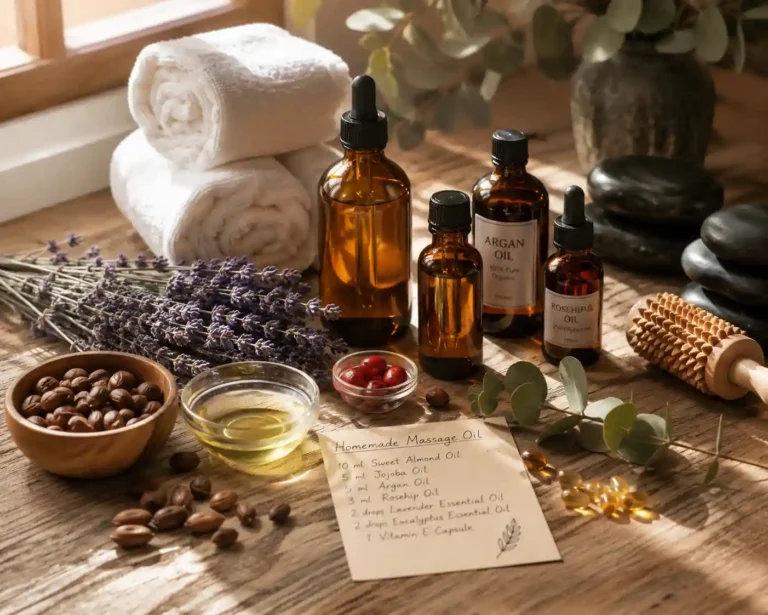
Carrier Oil for Rose Oil: The Complete Guide to Safe Dilution, Radiant Skin, and Beautiful Blends
A Single Drop Can Transform Your Skincare—But Only If You Use It Correctly
The first time many people smell rose essential oil, they understand why it’s often called the “queen of essential oils.” Its rich floral aroma feels luxurious, calming, and timeless. Excited to enjoy its skincare benefits, it’s tempting to apply a drop directly to your face or mix it into a favorite cream without much thought.
Unfortunately, that’s one of the most common mistakes.
Rose essential oil is incredibly concentrated. Used incorrectly, it can irritate sensitive skin instead of nourishing it. The secret to unlocking its soothing, hydrating, and rejuvenating benefits is choosing the right carrier oil for rose oil.
Whether you’re hoping to soften fine lines, support a healthy skin barrier, create a relaxing facial massage oil, or make a luxurious DIY body blend, pairing rose essential oil with the proper carrier oil makes all the difference. In this guide, you’ll learn exactly which carrier oils work best, how to dilute rose oil safely, and how to create effective blends for every skin type.
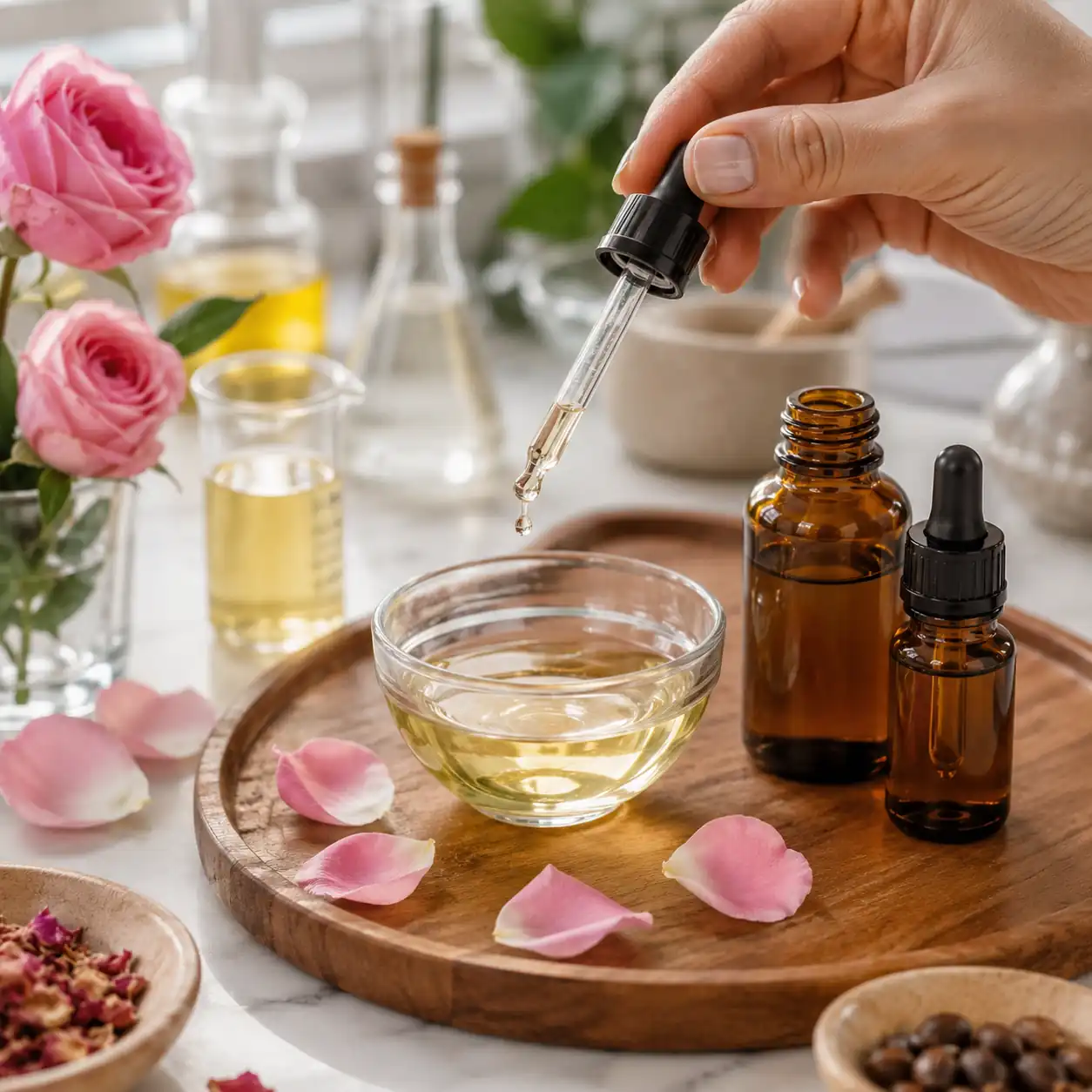
The best carrier oil for rose oil depends on your skin type and skincare goals. Jojoba oil is ideal for most skin types because it closely resembles the skin’s natural sebum. Rosehip oil supports mature skin and helps improve the appearance of scars and fine lines. Argan oil deeply nourishes dry skin, while sweet almond oil works well for body massage. Diluting rose essential oil in a quality carrier oil not only improves safety but also enhances absorption and delivers lasting hydration.
Key Takeaways
- Rose essential oil should always be diluted before applying it to the skin.
- Jojoba oil is the most versatile carrier oil for everyday facial use.
- Rosehip oil pairs exceptionally well with rose oil for mature and dull skin.
- Different carrier oils provide unique benefits depending on your skin type.
- Proper dilution reduces irritation while maximizing skincare benefits.
- Combining nourishing carrier oils with rose essential oil creates effective facial and body treatments.
- Patch testing every new blend helps prevent unwanted skin reactions.
What Is a Carrier Oil for Rose Oil?
A carrier oil for rose oil is a plant-derived vegetable oil that safely dilutes highly concentrated rose essential oil before it comes into contact with your skin.
Unlike essential oils, carrier oils are rich in beneficial fatty acids, antioxidants, vitamins, and natural lipids. They do not evaporate quickly and are gentle enough to be applied directly to the skin.
Think of a carrier oil as both a safety buffer and a skincare ingredient.
Instead of simply reducing the concentration of rose essential oil, the right carrier oil contributes its own moisturizing, barrier-supporting, and nourishing properties. Together, they create a balanced blend that’s safer, more effective, and more enjoyable to use.
Carrier Oils vs. Essential Oils
| Carrier Oils | Rose Essential Oil |
|---|---|
| Derived from seeds, nuts, or fruits | Steam distilled from rose petals |
| Rich in fatty acids | Highly concentrated aromatic compounds |
| Safe to apply directly (most) | Must be diluted before skin application |
| Moisturize and nourish skin | Provides fragrance and targeted botanical benefits |
| Evaporate slowly | Evaporates quickly |
This partnership is what makes essential oil blending both effective and safe.
Why Rose Essential Oil Needs a Carrier Oil
Rose essential oil is one of the most concentrated botanical extracts available.
Producing just a tiny bottle requires thousands of fresh rose petals, resulting in a highly potent oil containing powerful aromatic molecules.
Because of this concentration, applying rose oil directly to the skin may increase the risk of:
- Skin irritation
- Redness
- Burning sensations
- Dryness
- Allergic reactions
- Sensitivity in delicate facial areas
Diluting rose oil with a suitable carrier oil spreads these active compounds evenly across the skin, allowing them to absorb gradually rather than overwhelming the skin’s protective barrier.
Benefits of Diluting Rose Oil
Proper dilution helps:
- Improve skin comfort
- Reduce irritation risk
- Enhance moisture retention
- Increase spreadability
- Make expensive rose oil last longer
- Improve massage glide
- Support healthier-looking skin
Rather than weakening rose essential oil, dilution often improves the overall skincare experience by combining the strengths of two botanical ingredients.
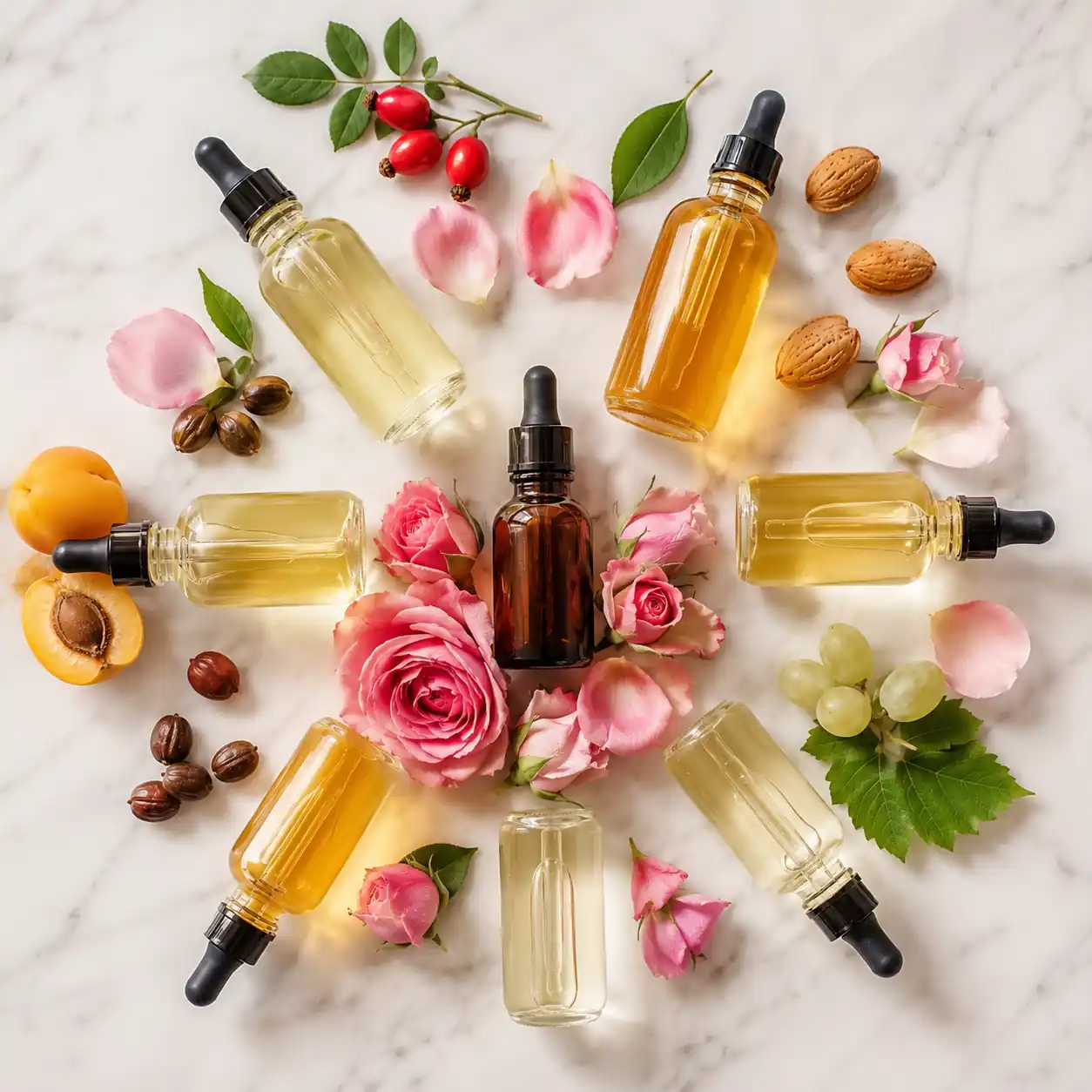
What Makes a Good Carrier Oil for Rose Oil?
Not every carrier oil performs the same.
The ideal choice depends on factors such as skin type, absorption speed, texture, nutrient profile, and intended use.
A high-quality carrier oil should offer:
A- Lightweight Texture
Heavy oils may feel greasy and can leave an uncomfortable residue, especially on facial skin.
B- Stable Fatty Acid Profile
Carrier oils rich in oleic acid and linoleic acid help nourish the skin barrier while supporting healthy moisture levels.
C- Skin Compatibility
Look for oils that match your skin’s needs:
- Dry skin benefits from richer oils.
- Oily skin often prefers lightweight oils.
- Sensitive skin needs gentle, fragrance-free options.
D- Cold-Pressed Quality
Cold-pressed oils retain more natural antioxidants, vitamins, and beneficial plant compounds compared with heavily refined alternatives.
E- Minimal Processing
Less processing generally means more nutrients remain intact, preserving the oil’s natural skincare benefits.
Best Carrier Oil for Rose Oil: Comparison Table
| Carrier Oil | Best For | Skin Feel | Absorption | Main Benefits |
|---|---|---|---|---|
| Jojoba Oil | All skin types | Lightweight | Fast | Balances oil production, supports skin barrier |
| Rosehip Oil | Mature skin | Light | Fast | Rich in essential fatty acids and provitamin A carotenoids, improves skin appearance |
| Argan Oil | Dry skin | Silky | Medium | Vitamin E-rich, nourishes and softens |
| Sweet Almond Oil | Massage | Smooth | Medium | Excellent glide, moisturizes body skin |
| Grapeseed Oil | Oily skin | Very light | Fast | Lightweight, non-greasy finish |
| Fractionated Coconut Oil | Aromatherapy | Dry finish | Very fast | Long shelf life, odorless, excellent blending |
| Apricot Kernel Oil | Sensitive skin | Soft | Medium | Gentle, calming, lightweight |
| Avocado Oil | Very dry skin | Rich | Slow | Deep nourishment and moisture support |
The 7 Best Carrier Oils for Rose Oil
1. Jojoba Oil: The Best All-Around Choice
If you’re only buying one carrier oil for rose essential oil, jojoba oil is difficult to beat.
Technically a liquid wax rather than a true oil, jojoba closely resembles the skin’s natural sebum. This unique composition allows it to absorb easily without leaving a greasy residue.
Why It Works So Well with Rose Oil
- Lightweight texture
- Suitable for nearly every skin type
- Helps maintain moisture balance
- Supports the skin’s protective barrier
- Excellent for daily facial use
Best For
- Combination skin
- Oily skin
- Normal skin
- Sensitive skin
- Everyday facial oils
2. Rosehip Oil: The Perfect Anti-Aging Partner
Rosehip oil and rose essential oil are often confused, but they’re completely different ingredients.
Rosehip oil is a carrier oil extracted from the seeds of wild rose bushes, while rose essential oil comes from rose petals.
Together, they create one of the most luxurious skincare combinations available.
Rosehip oil is naturally rich in:
- Linoleic acid
- Alpha-linolenic acid
- Vitamin E
- Carotenoids (including provitamin A compounds)
- Natural antioxidants
These nutrients help support a smoother, brighter-looking complexion and complement the soothing aromatic properties of rose essential oil.
Best For
- Mature skin
- Dull skin
- Uneven-looking skin tone
- Fine lines
- Dry skin
3. Argan Oil: Deep Nourishment Without Heavy Greasiness
Often called “liquid gold,” argan oil is extracted from the kernels of the argan tree and has become a favorite in premium skincare.
Its naturally high vitamin E content and balanced fatty acid profile help soften rough skin while supporting long-lasting hydration.
When blended with rose essential oil, argan oil creates a luxurious facial treatment that feels rich without becoming overly heavy.
Best For
- Dry skin
- Mature skin
- Overnight facial oils
- Neck and décolletage care
4. Sweet Almond Oil: Ideal for Massage and Body Care
Sweet almond oil has been used in traditional skincare for centuries thanks to its smooth texture and excellent glide.
When paired with rose essential oil, it creates a relaxing massage oil that leaves the skin feeling soft, supple, and lightly scented.
It’s especially well suited for:
- Body massage
- Dry arms and legs
- Couples massage
- Spa-inspired self-care rituals
5. Grapeseed Oil: Lightweight for Oily and Acne-Prone Skin
If your skin becomes shiny easily, grapeseed oil is an excellent choice.
Its light consistency absorbs quickly and doesn’t leave the heavy finish associated with richer oils. It pairs beautifully with rose essential oil when creating facial blends for oily or combination skin.
Best For
- Oily skin
- Combination skin
- Warm climates
- Daytime facial oils
6. Fractionated Coconut Oil: Long-Lasting and Versatile
Unlike virgin coconut oil, fractionated coconut oil remains liquid at room temperature and has a much lighter feel.
It’s popular in aromatherapy because it:
- Blends easily
- Has a long shelf life
- Doesn’t compete with floral aromas
- Spreads evenly across the skin
This makes it a practical option for massage oils, roller blends, and body care products featuring rose essential oil.
7. Apricot Kernel Oil: Gentle Care for Sensitive Skin
Apricot kernel oil offers a delicate balance between nourishment and lightness.
Its silky texture and mild nature make it a wonderful carrier oil for people with sensitive or easily irritated skin.
When combined with rose essential oil, it creates a soothing blend suitable for facial massage and daily moisturizing.
Best For
- Sensitive skin
- Mature skin
- Gentle facial oils
- Daily hydration
The Science Behind Carrier Oils and Rose Essential Oil
Carrier oils do much more than dilute essential oils—they actively contribute to skin health.
Research in dermatology has shown that plant oils rich in essential fatty acids help reinforce the skin barrier, reducing transepidermal water loss (TEWL) and improving hydration. Oils such as jojoba, argan, rosehip, and grapeseed contain beneficial lipids and antioxidants that support healthy-looking skin.
Rose essential oil has also been studied for its antioxidant, soothing, and aromatic properties. While more high-quality human clinical research is needed to confirm specific skincare outcomes, laboratory and preliminary studies suggest that compounds found in rose oil may help protect against oxidative stress and support skin comfort when properly diluted.
The key takeaway is that the carrier oil is not merely a diluent—it is an active partner. By combining a nutrient-rich carrier oil with rose essential oil, you create a blend that is safer, more balanced, and often more beneficial than using either ingredient alone.
How to Dilute Rose Essential Oil with a Carrier Oil
One of the biggest misconceptions about essential oils is that “more is better.” In reality, using too much rose essential oil can overwhelm your skin and increase the risk of irritation without improving results.
The ideal blend uses just enough essential oil to deliver its aromatic and skincare benefits while allowing the carrier oil to nourish and protect the skin.
Recommended Dilution Chart
| Use | Dilution | Rose Essential Oil | Carrier Oil |
|---|---|---|---|
| Daily facial care | 0.5–1% | 1–2 drops | 2 teaspoons (10 mL) |
| Sensitive skin | 0.25–0.5% | 1 drop | 4 teaspoons (20 mL) |
| Facial massage | 1% | 2 drops | 2 teaspoons |
| Body moisturizer | 1.5–2% | 6–12 drops | 30 mL (1 oz) |
| Body massage | 2% | 12 drops | 30 mL |
| Intensive spot treatment* | 2–3% | 18 drops | 30 mL |
*Higher dilutions are generally reserved for short-term body applications rather than daily facial use. If you have sensitive skin, consult a healthcare professional before using higher concentrations.
Step-by-Step Guide to Mixing Rose Oil with a Carrier Oil
Creating your own blend is simple when you follow a few essential steps.
Step 1: Choose a High-Quality Carrier Oil
Select one based on your skin’s needs:
- Jojoba for balanced skin
- Rosehip for mature skin
- Argan for dry skin
- Grapeseed for oily skin
- Sweet almond for massage
- Apricot kernel for sensitive skin
Step 2: Use a Clean Glass Bottle
Amber or cobalt blue glass bottles help protect botanical oils from light, preserving their freshness and potency.
Step 3: Measure the Carrier Oil First
Pour the carrier oil into the bottle before adding the essential oil. This helps disperse the concentrated rose oil more evenly.
Step 4: Add Rose Essential Oil
Count each drop carefully according to your chosen dilution.
Remember:
Rose essential oil is one of the most precious—and expensive—essential oils. A little goes a long way.
Step 5: Mix Gently
Close the bottle and roll it between your hands for 20–30 seconds.
Avoid vigorous shaking, which may introduce unnecessary air bubbles into the blend.
Step 6: Perform a Patch Test
Apply a small amount to the inside of your forearm and wait 24 hours.
If irritation, itching, or redness develops, discontinue use.
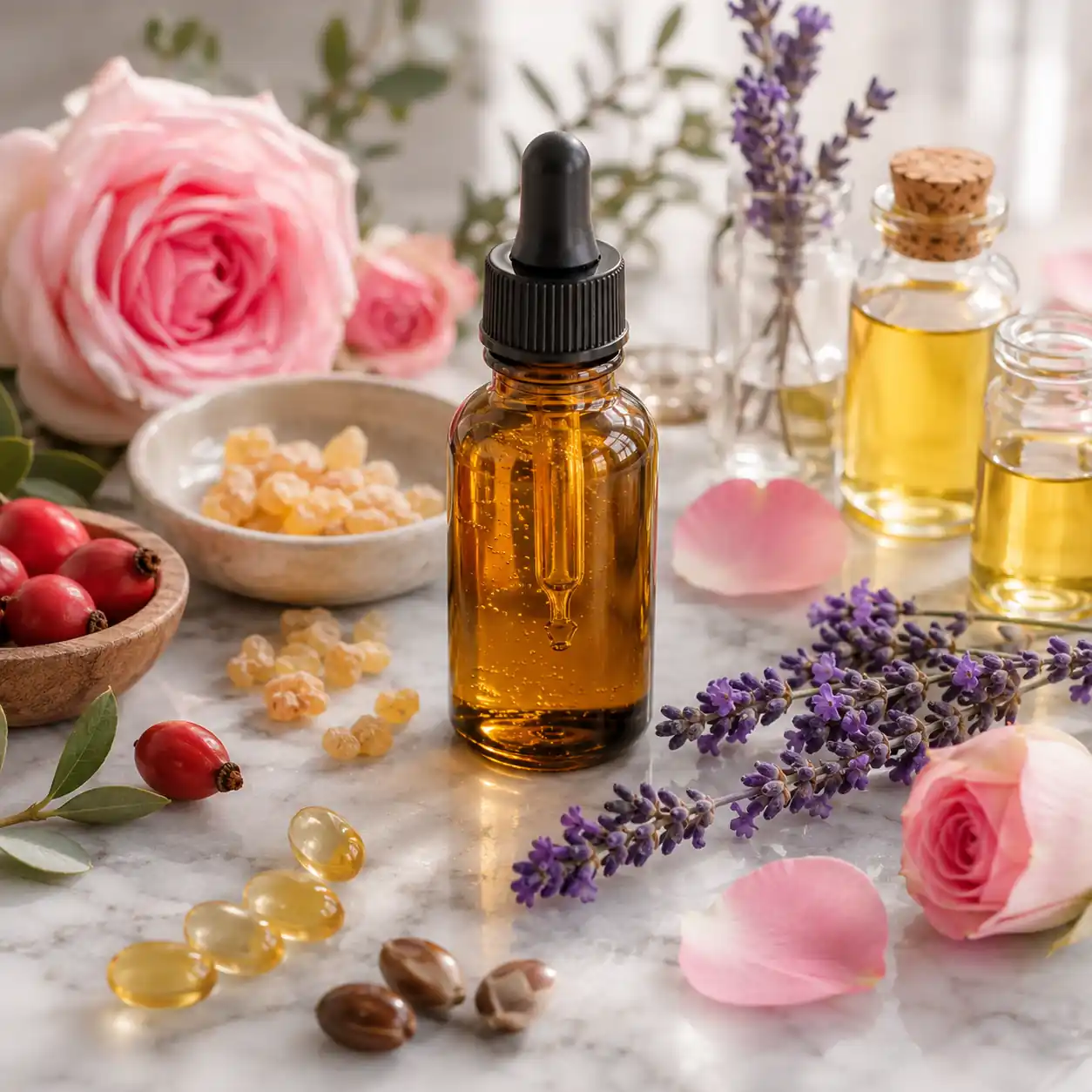
Choosing the Best Carrier Oil Based on Your Skin Type
Not all skin has the same needs. Matching your carrier oil to your skin type can significantly improve comfort and results.
| Skin Type | Best Carrier Oil | Why It Works |
|---|---|---|
| Oily | Grapeseed, Jojoba | Lightweight, fast absorbing |
| Dry | Argan, Avocado | Rich in nourishing lipids |
| Mature | Rosehip, Argan | Supports smoother, healthier-looking skin |
| Sensitive | Apricot Kernel, Jojoba | Gentle and calming |
| Combination | Jojoba | Balances moisture without heaviness |
| Normal | Jojoba, Sweet Almond | Versatile and easy to absorb |
Best Carrier Oil and Rose Oil Blends for Every Goal
Glow-Boosting Facial Oil
Ingredients
- 10 mL jojoba oil
- 10 mL rosehip oil
- 2 drops rose essential oil
- 1 drop frankincense essential oil
- 1 vitamin E capsule (optional)
Benefits
- Hydrates dull skin
- Supports a healthy skin barrier
- Leaves skin with a radiant appearance
- Provides antioxidant support
Nourishing Anti-Aging Facial Serum
Ingredients
- 15 mL argan oil
- 10 mL rosehip oil
- 5 mL jojoba oil
- 3 drops rose essential oil
- 2 drops frankincense essential oil
- 1 drop lavender essential oil
Why These Ingredients Work Together
Rosehip Oil
Provides essential fatty acids and antioxidants that help maintain smoother-looking skin.
Argan Oil
Rich in vitamin E and oleic acid for long-lasting nourishment.
Frankincense Oil
Commonly used in mature skincare routines because of its soothing aromatic profile.
Lavender Oil
Adds a calming scent while complementing the blend’s relaxing experience.
Lightweight Daily Facial Oil
Ideal for oily and combination skin.
Recipe
- 20 mL jojoba oil
- 10 mL grapeseed oil
- 2 drops rose essential oil
This absorbs quickly without leaving excessive shine.
Sensitive Skin Blend
Ingredients
- 25 mL apricot kernel oil
- 5 mL jojoba oil
- 1 drop rose essential oil
Simple formulas are often best for reactive skin.
Overnight Recovery Oil
Ingredients
- 15 mL argan oil
- 10 mL avocado oil
- 5 mL rosehip oil
- 2 drops rose essential oil
- 1 drop lavender oil
Massage onto slightly damp skin before bedtime.
Luxury Body Massage Oil
Ingredients
- 30 mL sweet almond oil
- 10 mL jojoba oil
- 6 drops rose essential oil
- 2 drops lavender oil
Perfect for:
- Couples massage
- Spa evenings
- Self-care routines
- Dry winter skin
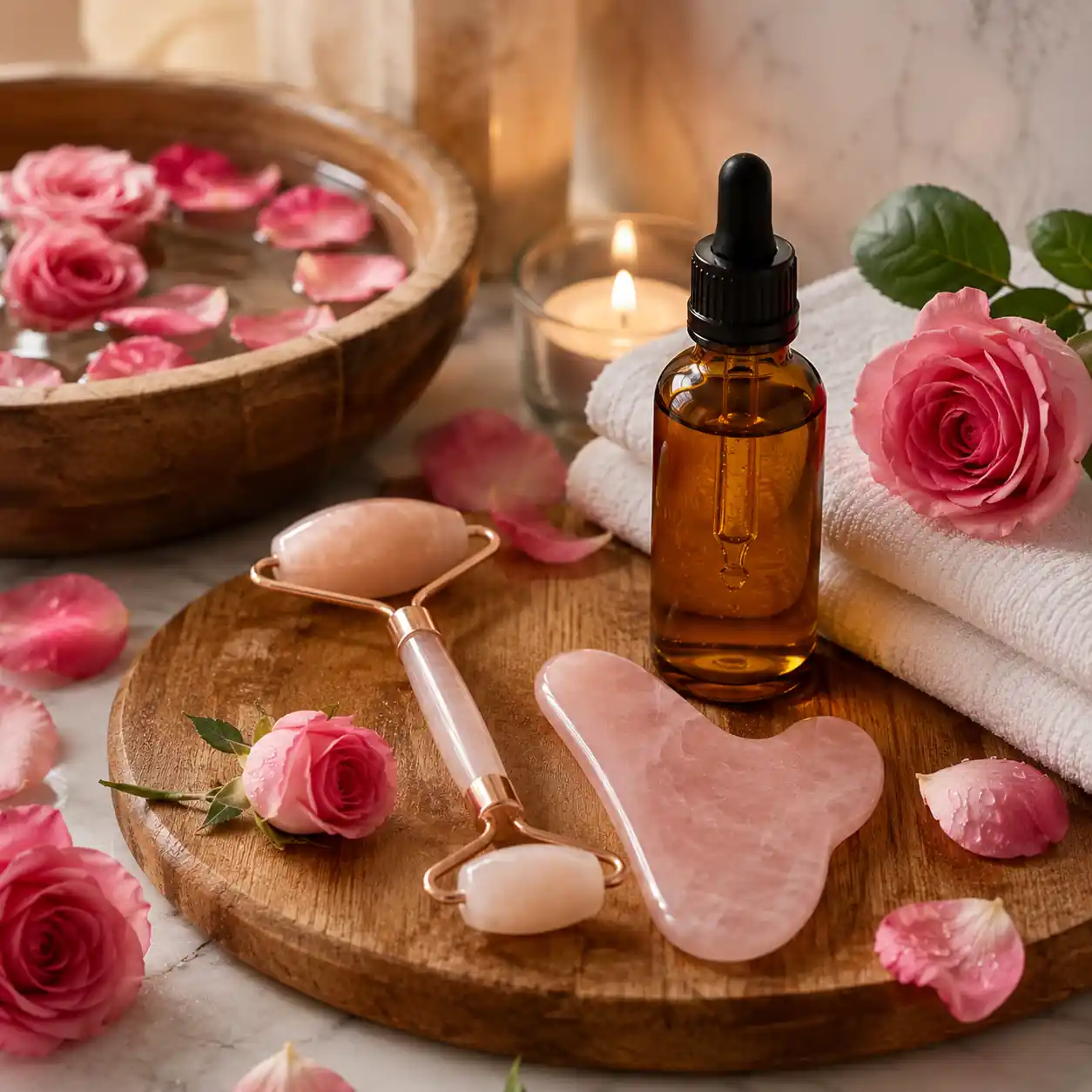
Recommended Ingredients That Pair Beautifully with Rose Oil
The right supporting ingredients can elevate your blend without overpowering the delicate aroma of rose essential oil.
1- Jojoba Oil
Best overall carrier oil.
Benefits include:
- Mimics natural sebum
- Lightweight texture
- Excellent absorption
- Suitable for nearly every skin type
2- Rosehip Oil
Excellent companion for mature or dull skin.
Known for:
- Essential fatty acids
- Antioxidants
- Provitamin A carotenoids
- Supporting a brighter-looking complexion
3- Argan Oil
Adds rich nourishment while maintaining a silky finish.
Ideal for:
- Dry skin
- Mature skin
- Overnight facial treatments
4- Frankincense Essential Oil
Pairs naturally with rose.
Together they create an elegant floral-resinous aroma while complementing skincare routines focused on mature skin.
5- Lavender Essential Oil
A classic botanical partner that softens the floral profile of rose oil.
Its calming aroma makes evening skincare rituals feel especially relaxing.
6- Vitamin E Oil
Although not a carrier oil, vitamin E is a valuable addition because it:
- Supports the skin with antioxidant protection
- Helps slow oxidation of some plant oils
- Adds extra nourishment to facial blends
Only a few drops are typically needed.
Benefits of Using Carrier Oils with Rose Essential Oil
1. Better Hydration
Carrier oils replenish the skin with nourishing lipids while reducing moisture loss.
2. Improved Absorption
Rather than sitting on the skin’s surface, properly diluted blends spread evenly and absorb more comfortably.
3. Reduced Irritation
Dilution lowers the concentration of aromatic compounds, making rose essential oil more suitable for topical use.
4. Enhanced Massage Experience
Carrier oils provide the slip needed for facial and body massage while allowing the floral aroma of rose oil to shine.
5. Longer-Lasting Moisture
Plant oils continue supporting the skin long after the essential oil’s aroma begins to fade.
Common Mistakes to Avoid
Even premium ingredients can disappoint if they’re used incorrectly.
A- Applying Rose Essential Oil Neat
Undiluted application increases the risk of irritation and sensitization.
B- Using Too Much Essential Oil
More drops don’t necessarily provide better results.
Consistency matters more than concentration.
C- Ignoring Skin Type
Heavy oils may feel greasy on oily skin, while lightweight oils may not provide enough nourishment for very dry skin.
D- Skipping the Patch Test
Natural ingredients can still trigger allergic reactions.
Always patch test new blends before full application.
E- Using Old or Rancid Carrier Oils
Carrier oils oxidize over time.
Discard oils that develop:
- Sour smell
- Paint-like odor
- Cloudiness (when not naturally expected)
- Sticky texture
Fresh oils provide better performance and a more pleasant experience.
F- Storing Blends Incorrectly
Heat, light, and air accelerate oxidation.
Store blends in tightly sealed dark glass bottles in a cool, dry place away from direct sunlight.
Carrier Oil Comparison for Rose Essential Oil
| Carrier Oil | Texture | Best For | Rich in Vitamin E | Fast Absorbing | Facial Use |
|---|---|---|---|---|---|
| Jojoba | Very Light | All skin types | Moderate | ★★★★★ | ★★★★★ |
| Rosehip | Light | Mature skin | Moderate | ★★★★★ | ★★★★★ |
| Argan | Silky | Dry skin | High | ★★★★☆ | ★★★★★ |
| Grapeseed | Ultra Light | Oily skin | Moderate | ★★★★★ | ★★★★★ |
| Sweet Almond | Medium | Massage | Moderate | ★★★☆☆ | ★★★★☆ |
| Apricot Kernel | Silky | Sensitive skin | Moderate | ★★★★☆ | ★★★★★ |
| Avocado | Rich | Very dry skin | Moderate | ★★☆☆☆ | ★★★★☆ |
What is the best carrier oil for rose oil?
Jojoba oil is the best all-around carrier oil for rose essential oil because it closely resembles the skin’s natural sebum, absorbs quickly, and works well for nearly every skin type. Rosehip and argan oils are also excellent choices for mature or dry skin.
Can I apply rose essential oil directly to my face?
No. Rose essential oil should be diluted with a carrier oil before topical use. Proper dilution reduces the risk of irritation while improving spreadability and comfort, especially on delicate facial skin.
How many drops of rose oil should I mix with a carrier oil?
For daily facial use, a 0.5–1% dilution is generally appropriate. This typically means 1–2 drops of rose essential oil in about 10 mL (2 teaspoons) of carrier oil. Body blends may use slightly higher dilutions depending on the purpose.
Is jojoba or rosehip oil better with rose essential oil?
It depends on your goals. Jojoba oil is ideal for everyday use and most skin types due to its lightweight, balancing nature. Rosehip oil is a great choice for mature, dry, or uneven-looking skin because it provides essential fatty acids and antioxidant-rich nourishment.
Can I mix several carrier oils together?
Yes. Blending carrier oils lets you combine their strengths. For example, jojoba offers balance, rosehip supports radiance, and argan adds deep nourishment. Multi-oil blends can be customized to suit your skin type and skincare goals.
What Does the Science Say?
Rose essential oil and carrier oils have long histories in traditional skincare, but modern dermatology research also provides insight into why they work well together.
Carrier Oils Support the Skin Barrier
The outermost layer of your skin—the skin barrier—helps retain moisture and defend against environmental stressors. When this barrier is compromised, skin can feel dry, irritated, or more sensitive.
Many cold-pressed carrier oils contain:
- Essential fatty acids (linoleic and oleic acid)
- Phytosterols
- Squalene (in some oils)
- Tocopherols (Vitamin E compounds)
- Natural antioxidants
These components help reduce transepidermal water loss (TEWL), improve skin softness, and support barrier function. Dermatology literature has shown that plant oils can play a valuable role in maintaining healthy skin when chosen appropriately for individual skin types.
Rose Essential Oil Contains Beneficial Plant Compounds
Rose essential oil is rich in naturally occurring aromatic compounds such as:
- Citronellol
- Geraniol
- Nerol
- Phenyl ethyl alcohol (depending on extraction method)
Laboratory and preliminary studies suggest these compounds have antioxidant and soothing properties. While these findings are promising, high-quality clinical trials specifically evaluating topical rose essential oil for cosmetic skin concerns remain limited.
For that reason, it’s best to think of rose essential oil as a complementary ingredient in a skincare routine rather than a stand-alone solution.
Why the Combination Works
A well-formulated blend combines two important functions:
Carrier oil provides:
- Hydration
- Skin barrier support
- Better glide
- Improved absorption
- Reduced irritation risk
Rose essential oil provides:
- Luxurious floral aroma
- Antioxidant-rich botanical compounds
- A relaxing sensory experience
- Supportive skincare benefits when properly diluted
Together, they create a balanced, skin-friendly blend that is both enjoyable and practical.
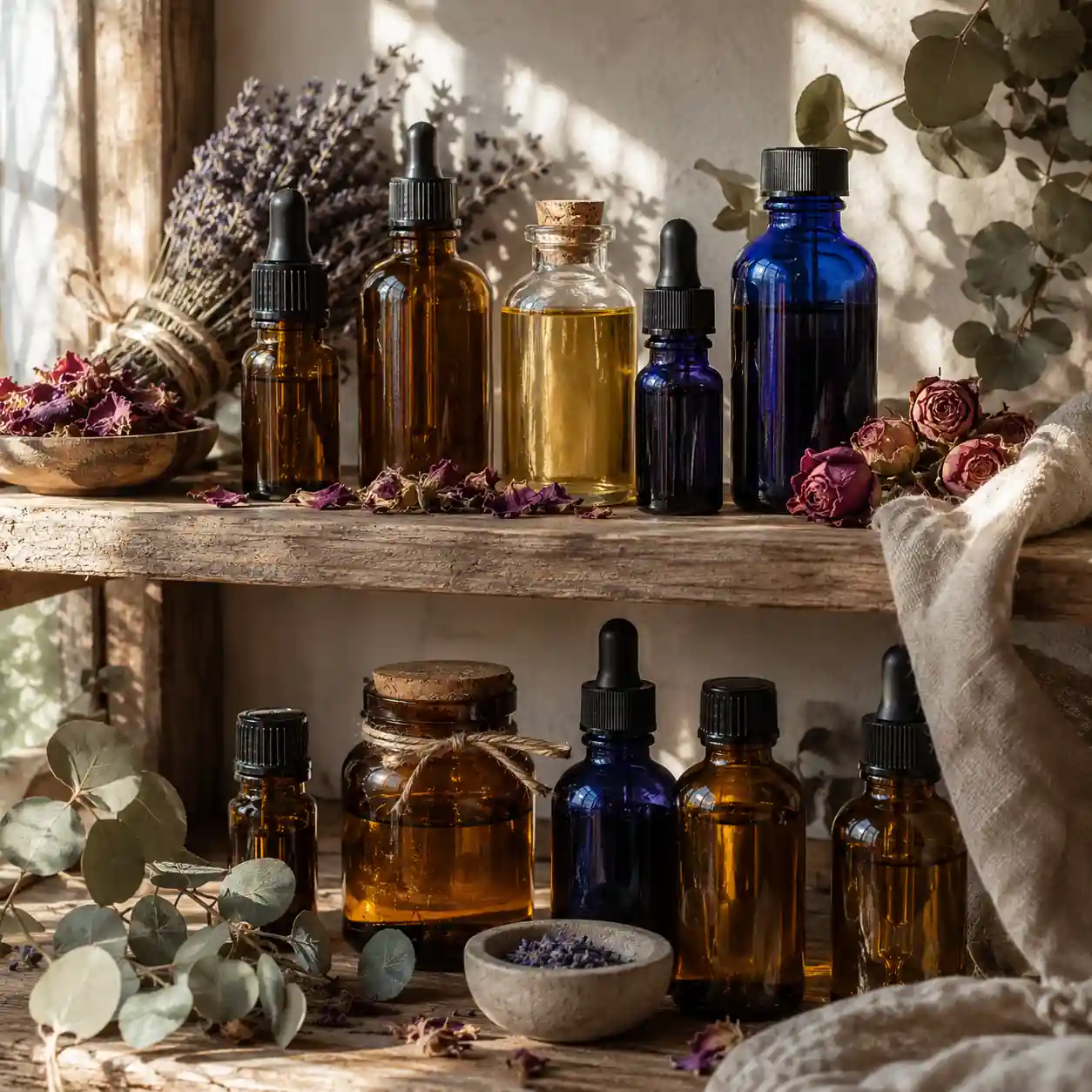
Safety Tips Before Using Rose Oil
Natural ingredients deserve the same respect as synthetic skincare products. Following a few simple precautions helps ensure a positive experience.
1- Always Dilute Before Topical Use
Never apply undiluted rose essential oil directly to large areas of skin.
2- Perform a Patch Test
Before using a new blend:
- Apply a small amount to the inner forearm.
- Wait 24 hours.
- Watch for redness, itching, or irritation.
- Discontinue use if a reaction occurs.
3- Avoid Contact with Eyes
Rose essential oil should never be applied in or around the eyes or on other sensitive mucous membranes.
4- Choose High-Quality Oils
Look for:
- 100% pure carrier oils
- Cold-pressed when possible
- Dark glass packaging
- Fresh production dates
- Reputable suppliers with transparent sourcing
Fresh, well-stored oils are more likely to retain their beneficial properties.
Pregnancy and Breastfeeding Considerations
Rose essential oil is popular in aromatherapy, but pregnancy and breastfeeding require extra caution.
Because research on essential oil safety during these periods is limited, it’s advisable to consult a qualified healthcare provider before using topical essential oil blends.
If use is approved, choose:
- Low dilution levels
- Gentle carrier oils such as jojoba or apricot kernel
- Small application areas
How to Store Your Rose Oil Blend
Proper storage helps preserve the freshness and quality of both the carrier oil and the essential oil.
Best Storage Practices
- Keep bottles tightly closed.
- Store in amber or cobalt glass.
- Protect from direct sunlight.
- Avoid excessive heat.
- Keep away from moisture.
- Label each blend with the mixing date.
Shelf Life of Common Carrier Oils
| Carrier Oil | Approximate Shelf Life |
|---|---|
| Jojoba | 2–5 years |
| Fractionated Coconut | 2+ years |
| Argan | 1–2 years |
| Sweet Almond | About 1 year |
| Grapeseed | 6–12 months |
| Rosehip | 6–12 months (refrigeration may help extend freshness) |
| Apricot Kernel | About 1 year |
| Avocado | Around 1 year |
Always discard oils that develop an unpleasant odor, unusual texture, or signs of rancidity.
Frequently Asked Questions
1. What is the best carrier oil for rose oil on the face?
Jojoba oil is the best all-purpose choice because it closely resembles the skin’s natural sebum and suits most skin types. Rosehip oil is an excellent alternative for mature or dry skin, while grapeseed oil works well for oily skin.
2. Can I mix rose oil with jojoba oil every day?
Yes. A properly diluted blend of rose essential oil and jojoba oil can be used as part of a daily skincare routine for many people. Daily use should still begin with a patch test, especially if you have sensitive skin.
3. Which carrier oil makes rose oil absorb faster?
Grapeseed oil and jojoba oil are among the fastest-absorbing carrier oils. They leave minimal residue and work well in lightweight facial serums.
4. Is rosehip oil the same as rose essential oil?
No. Rosehip oil is a carrier oil pressed from the seeds of rose plants, while rose essential oil is distilled from rose petals. They have different compositions and functions but complement each other beautifully.
5. Can I mix several carrier oils together?
Absolutely. Many premium facial oils combine jojoba, rosehip, argan, and other carrier oils to create a balanced blend with multiple skincare benefits.
6. Which carrier oil is best for mature skin?
Rosehip oil and argan oil are two of the most popular choices for mature skin because they contain nourishing fatty acids, antioxidants, and vitamin E that support smoother, healthier-looking skin.
7. Does carrier oil reduce the effectiveness of rose oil?
No. Dilution does not make rose essential oil ineffective. Instead, it improves safety, spreads the oil more evenly, and often enhances the overall skincare experience.
8. Can I use coconut oil with rose essential oil?
Yes, but many people prefer fractionated coconut oil for essential oil blends because it remains liquid, absorbs more quickly, and has a lighter feel than virgin coconut oil.
9. How often should I apply a rose oil blend?
Most facial blends can be used once or twice daily, depending on your skin type and the dilution level. If irritation develops, reduce frequency or discontinue use and seek professional advice.
10. Is rose essential oil suitable for sensitive skin?
It can be, provided it is properly diluted in a gentle carrier oil such as jojoba or apricot kernel oil and a patch test is performed first. Those with very sensitive or reactive skin should consult a dermatologist if unsure.
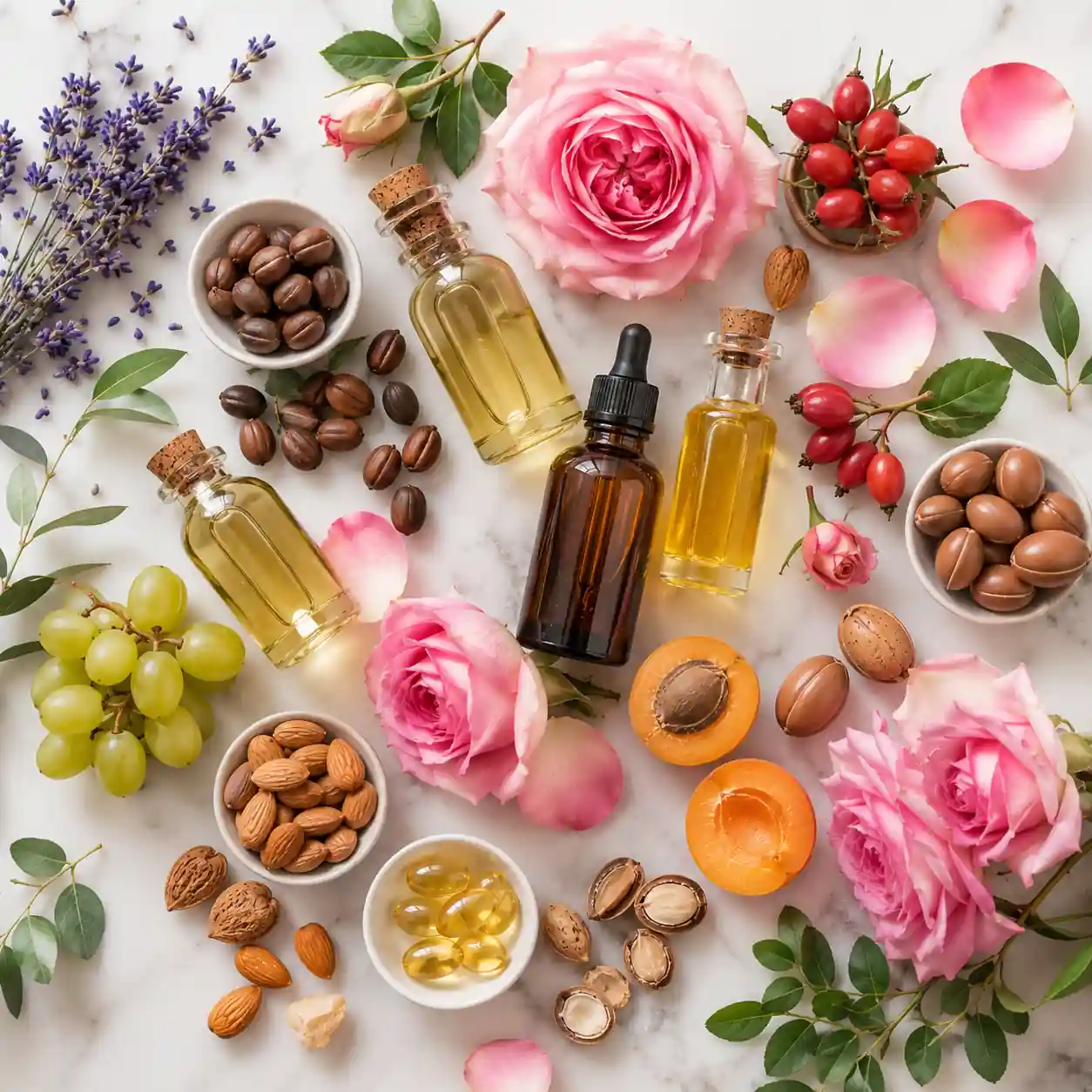
Read This Next: Unlock the Full Potential of Every Essential Oil
🌿 Love creating your own essential oil blends? Don’t stop with rose oil.
Choosing the right carrier oil is the foundation of every safe, effective, and luxurious skincare recipe. Once you understand how different carrier oils behave, you’ll be able to create customized blends for hydration, massage, relaxation, anti-aging routines, beard care, body oils, and much more.
Continue Your Journey
👉 Read our complete guide: Carrier Oil for Essential Oils: The Complete Guide to Safe Dilution, Better Blends, and Healthier Skin
Inside, you’ll discover:
- How to choose the perfect carrier oil for every essential oil
- Complete dilution charts for beginners and experienced users
- The best carrier oils for facial care, massage, and body treatments
- Shelf life and storage tips
- Common blending mistakes to avoid
- DIY recipes for healthy, glowing skin
Think of this article as your complete handbook for creating safer, smarter, and more effective essential oil blends at home.
Conclusion
Finding the best carrier oil for rose oil isn’t about choosing the most expensive option—it’s about selecting the one that complements your skin’s unique needs.
Jojoba oil offers exceptional versatility, rosehip oil supports mature and radiant-looking skin, argan oil delivers rich nourishment, and grapeseed oil provides a lightweight option for oily complexions. By pairing these nutrient-rich carrier oils with properly diluted rose essential oil, you can enjoy a luxurious skincare ritual that feels both indulgent and practical.
Remember that beautiful skin isn’t created by using more essential oil—it’s created through consistency, thoughtful formulation, and respect for your skin barrier. Start with high-quality ingredients, follow recommended dilution guidelines, and allow your routine to evolve with your skin’s changing needs.
Whether you’re crafting a daily facial serum, a relaxing massage oil, or a nourishing nighttime treatment, the right carrier oil transforms rose essential oil into a balanced blend that’s safe, effective, and enjoyable to use.