Muscle Pain Relief Essential Oil Blend Recipe: Natural Soothing Blends That Really Work
Muscle soreness can turn everyday movements into a challenge, whether it’s after an intense workout, a long day at your desk, or hours of physical work. If you’re looking for a natural way to relax tired muscles, a muscle pain relief essential oil blend recipe can be a simple and effective addition to your recovery routine.
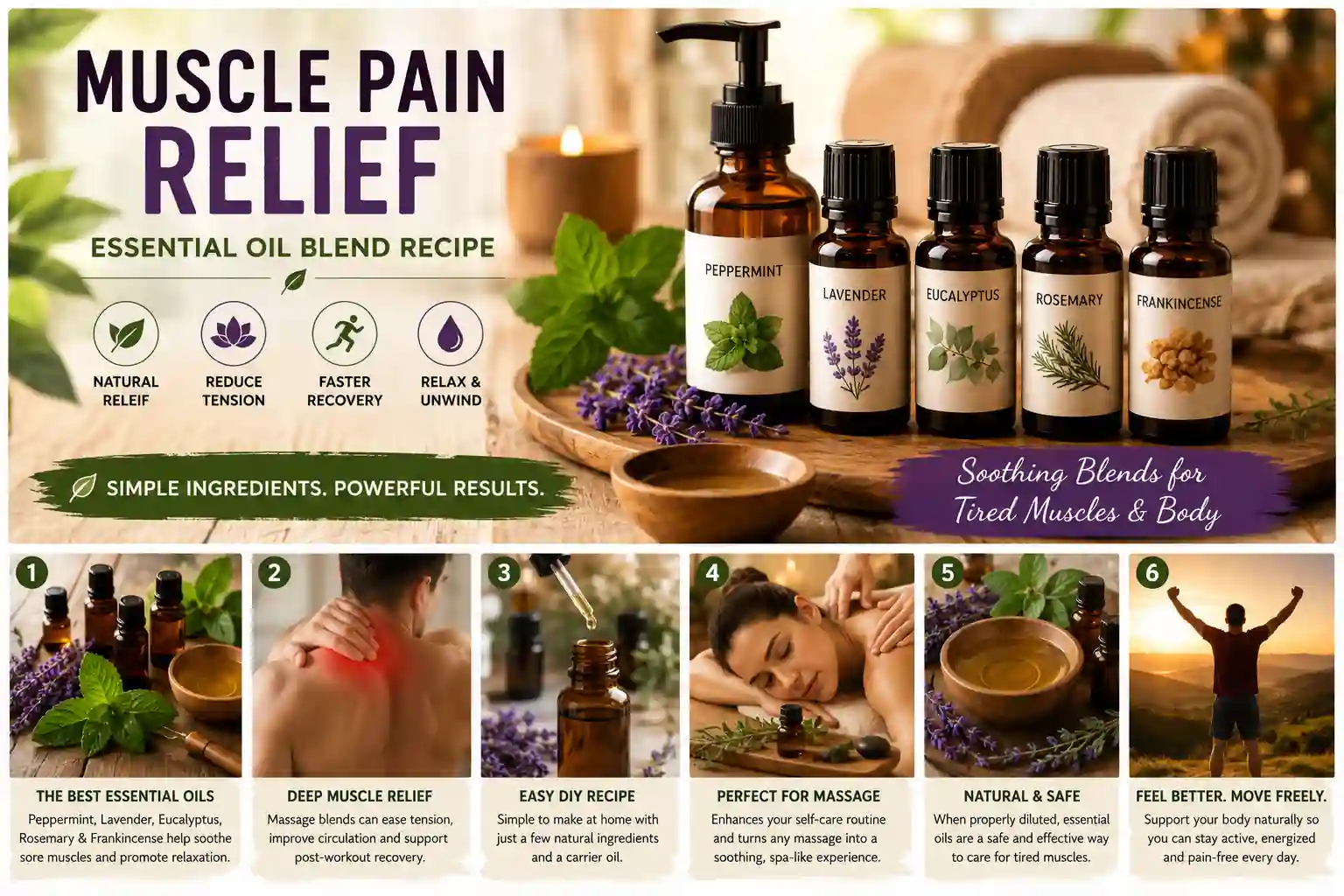
By combining soothing essential oils like peppermint, lavender, rosemary, eucalyptus, and frankincense with a nourishing carrier oil, you can create a massage blend that helps ease muscle tension, encourages relaxation, and supports post-workout recovery. In this guide, you’ll discover the best recipes, the science behind the ingredients, and expert tips to use them safely for maximum comfort.
A muscle pain relief essential oil blend recipe typically combines peppermint, lavender, eucalyptus, rosemary, and frankincense essential oils diluted in a carrier oil such as jojoba or sweet almond oil. Apply the blend through gentle massage to sore muscles after exercise or daily activities. The cooling, soothing, and relaxing aromas may help ease muscle tension, promote comfort, and support recovery when used alongside proper rest, hydration, and stretching.
Key Takeaways
- Essential oils work best as part of a complete muscle recovery routine—not as a replacement for medical treatment.
- Always dilute essential oils in a carrier oil before applying them to the skin.
- Peppermint, lavender, rosemary, eucalyptus, and frankincense are among the most popular oils for muscle comfort.
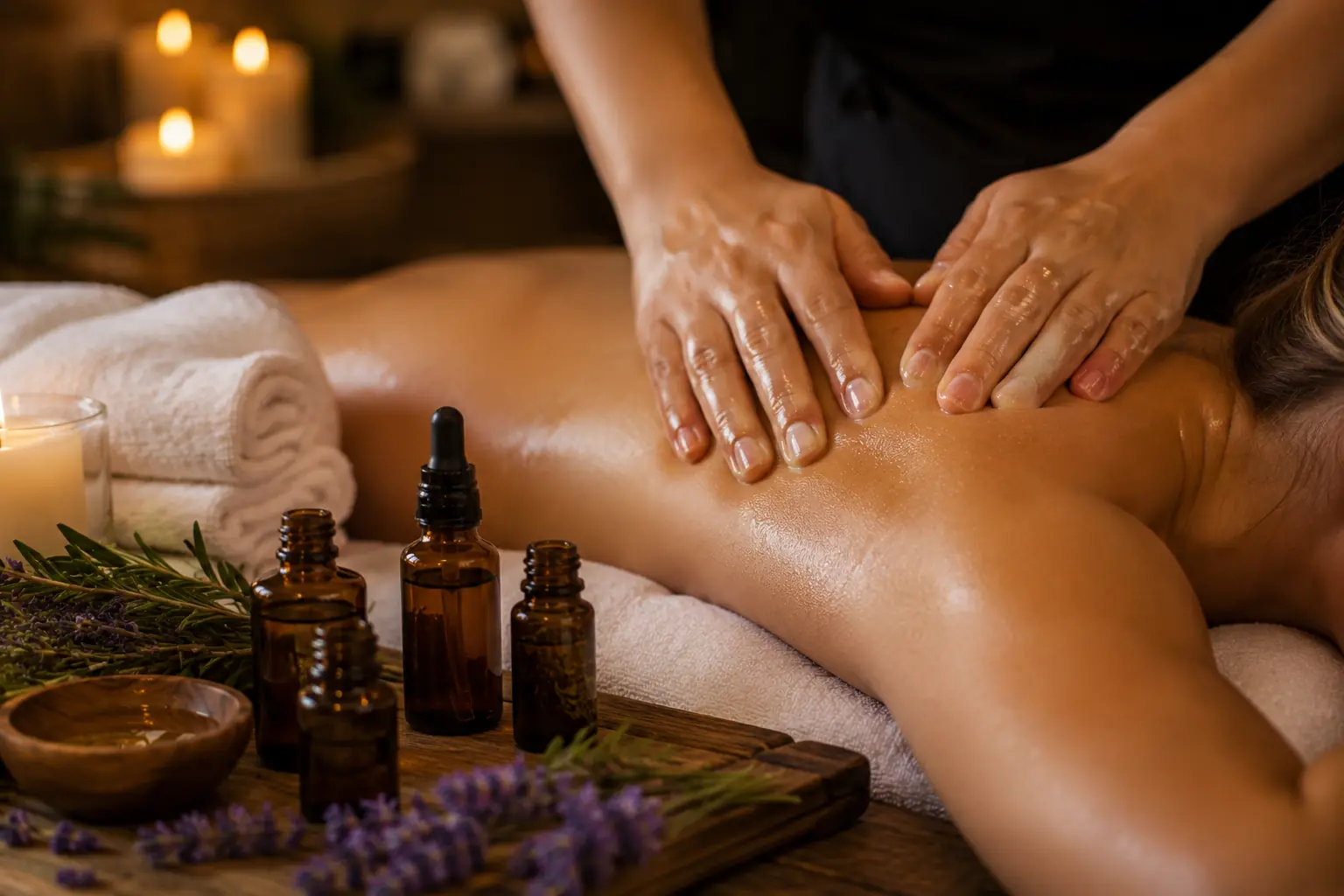
- Massage enhances the effectiveness of essential oil blends by increasing relaxation and circulation.
- Patch testing helps reduce the risk of skin irritation.
- Different blends can be customized for athletes, office workers, seniors, or post-workout recovery.
- Consistent self-care habits often produce better results than occasional use.
What Is a Muscle Pain Relief Essential Oil Blend Recipe?
A muscle pain relief essential oil blend recipe is a carefully balanced mixture of essential oils diluted in a carrier oil and designed for topical massage. Instead of relying on a single oil, these recipes combine complementary aromas and botanical compounds to create a more balanced experience.
Most recipes include:
- A cooling oil
- A relaxing oil
- A circulation-supporting oil
- A grounding base note
- A nourishing carrier oil
The goal isn’t simply to smell pleasant—it is to create a massage blend that encourages relaxation, eases feelings of tightness, and supports recovery after physical activity.
Why Do Muscles Become Sore?
Understanding muscle soreness helps explain why massage and aromatherapy may feel beneficial.
Delayed Onset Muscle Soreness (DOMS)
DOMS usually develops:
- 12–24 hours after exercise
- Peaks around 24–72 hours
- Gradually improves within several days
It results from microscopic muscle fiber damage that naturally occurs after unfamiliar or intense activity.
Everyday Muscle Tension
Muscle discomfort isn’t limited to workouts. Common causes include:
- Poor posture
- Long hours at a computer
- Stress
- Heavy lifting
- Repetitive movements
- Lack of stretching
- Inadequate sleep
Stress also causes muscles to remain contracted longer than necessary, making relaxation techniques especially valuable.
How Essential Oils May Help in Muscle Soreness
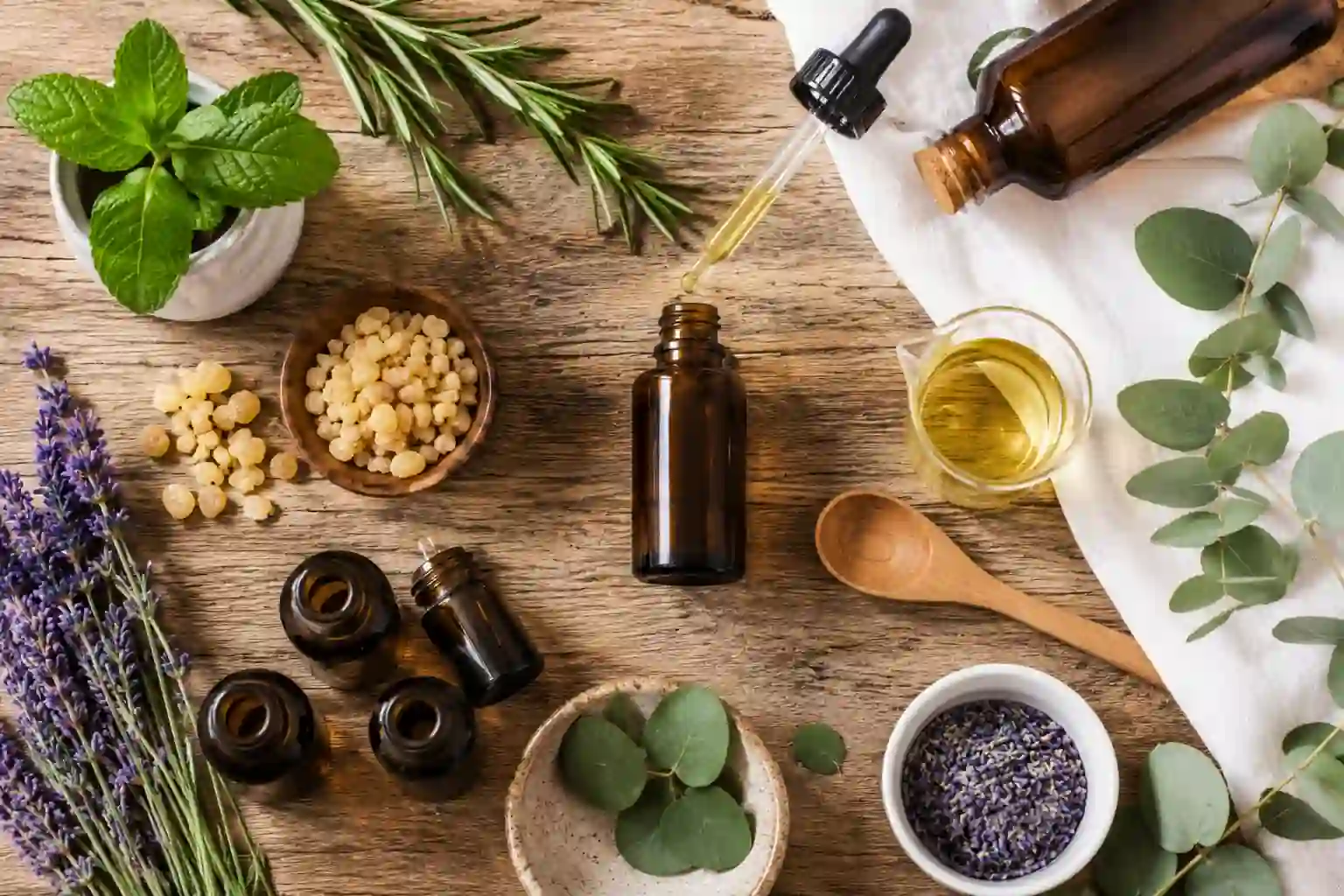
Essential oils don’t “heal” damaged muscles directly. Instead, they may support recovery through several mechanisms.
Encouraging Relaxation
Many essential oils activate pleasant sensory pathways that help the body relax during massage.
Lavender, frankincense, and cedarwood are especially valued for their calming aroma.
Cooling or Warming Sensations
Peppermint creates an immediate cooling sensation because of menthol.
Black pepper and ginger provide a gentle warming feeling that many people enjoy after physical activity.
Supporting Massage Benefits
Massage itself has been shown to:
- Reduce muscle stiffness
- Improve flexibility
- Increase relaxation
- Enhance circulation
- Reduce stress hormones
Adding aromatic essential oils often makes the massage experience even more enjoyable.
What Does the Research Say?
Scientific studies continue to investigate aromatherapy and massage for muscle discomfort.
Current evidence suggests:
- Massage therapy may reduce delayed-onset muscle soreness following exercise.
- Aromatherapy massage can improve relaxation and perceived comfort.
- Lavender has been studied extensively for its calming effects.
- Peppermint provides a cooling sensation that many users associate with temporary comfort.
- Rosemary has traditionally been used in massage blends for tired muscles.
Researchers generally agree that essential oils should complement—not replace—medical care for injuries, severe pain, or chronic conditions.
Best Essential Oils for Muscle Pain Relief
1- Peppermint Essential Oil
Why it’s popular
Peppermint contains naturally occurring menthol, producing an immediate cooling sensation.
Best for:
- Post-workout recovery
- Neck tension
- Shoulder soreness
- Hot, tired muscles
Pairs well with:
- Lavender
- Eucalyptus
- Rosemary
2- Lavender Essential Oil
Lavender is one of the most versatile essential oils.
Benefits include:
- Promotes relaxation
- Helps create a calming bedtime massage
- Softens stronger medicinal aromas
- Blends well with nearly every oil
Best for evening recovery routines.
3- Eucalyptus Essential Oil
Fresh and invigorating, eucalyptus adds a clean herbal aroma.
Many people enjoy it for:
- Sports massage
- Post-gym recovery
- Active lifestyles
- Cooling blends
4- Rosemary Essential Oil
Rosemary offers a crisp herbal fragrance commonly found in athletic massage oils.
Ideal for:
- Exercise recovery
- Leg massage
- Shoulder blends
- Active adults
5- Frankincense Essential Oil
Frankincense provides a warm, resinous aroma that brings depth to muscle massage blends.
Why include it?
- Creates a luxurious aroma
- Blends beautifully with citrus and woods
- Supports a relaxing massage ritual
- Often used in premium wellness products
5- Black Pepper Essential Oil
Unlike culinary pepper, essential oil delivers a subtle warming sensation.
Excellent companion for:
- Winter muscle massages
- Tight shoulders
- Stiff backs
- Recovery after outdoor activities
6- Ginger Essential Oil
Ginger contributes warmth and comforting spice.
It pairs especially well with:
- Cedarwood
- Frankincense
- Sweet orange
- Black pepper
Many athletes enjoy ginger after cold-weather workouts.
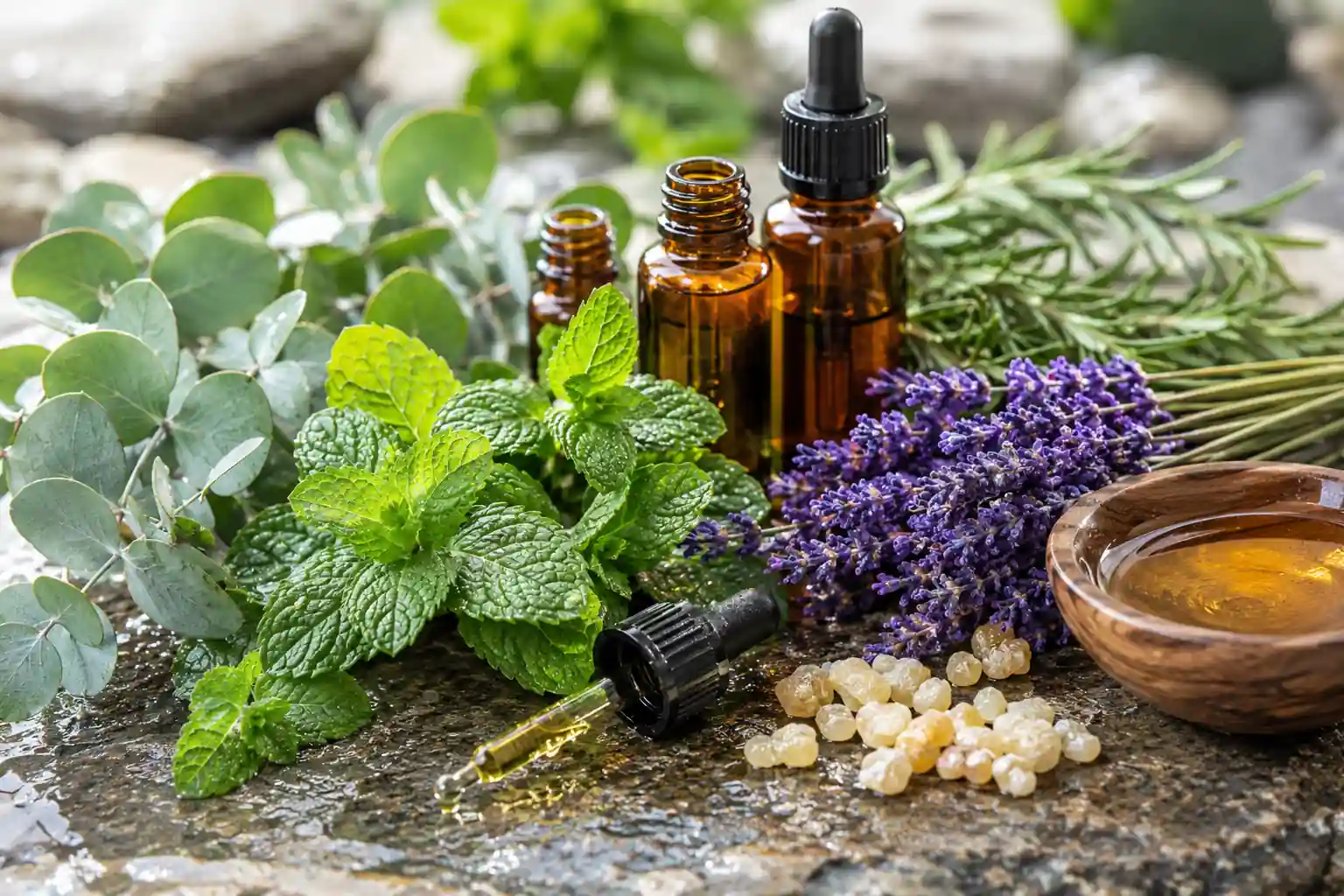
Comparison Table: Popular Essential Oils for Muscle Comfort
| Essential Oil | Aroma | Sensation | Best Use | Blends Well With |
|---|---|---|---|---|
| Peppermint | Fresh mint | Cooling | Post-workout | Lavender, eucalyptus |
| Lavender | Floral | Relaxing | Evening massage | Frankincense, cedarwood |
| Rosemary | Herbal | Refreshing | Sports recovery | Peppermint, lemon |
| Eucalyptus | Clean | Cooling | Tired muscles | Peppermint |
| Frankincense | Resinous | Grounding | Deep relaxation | Lavender, cedarwood |
| Ginger | Warm spice | Warming | Cold muscles | Black pepper |
| Black Pepper | Peppery | Warming | Stiff muscles | Ginger |
Best Carrier Oils
Carrier oils protect the skin while improving glide during massage.
1- Jojoba Oil
One of the closest oils to the skin’s natural sebum.
Benefits:
- Lightweight
- Long shelf life
- Non-greasy
- Suitable for many skin types
2- Sweet Almond Oil
A classic massage oil.
Pros:
- Excellent glide
- Affordable
- Rich in fatty acids
- Softens skin
3- Argan Oil
Ideal for premium massage blends.
Why use it?
- Rich in vitamin E
- Absorbs quickly
- Leaves skin silky
4- Rosehip Oil
Often chosen when skin nourishment is also desired.
Best suited for:
- Mature skin
- Dry skin
- Overnight massage blends
5- Vitamin E Oil
Not a carrier by itself but a valuable addition.
Benefits:
- Supports skin conditioning
- Helps extend shelf life of homemade blends
- Adds antioxidant properties
DIY Muscle Pain Relief Essential Oil Blend Recipe
Cooling Recovery Blend
Ingredients
- 2 tablespoons jojoba oil
- 4 drops peppermint
- 4 drops lavender
- 3 drops eucalyptus
- 2 drops rosemary
- 2 drops frankincense
- Optional: 2 drops vitamin E oil
Directions
- Pour jojoba oil into a dark glass bottle.
- Add each essential oil.
- Close tightly.
- Shake gently.
- Let the blend rest for 12–24 hours before first use for optimal aroma integration.
Apply a small amount to sore muscles using slow, circular massage after exercise or at the end of the day.
Step-by-Step Massage Routine
- Wash and dry your hands.
- Warm a teaspoon of the blend between your palms.
- Massage slowly into affected muscles.
- Use long strokes for large muscle groups.
- Apply gentle circular motions around tight areas.
- Continue for 5–10 minutes.
- Stretch lightly afterward.
- Drink water and allow your body to relax.
Avoid applying the blend to broken skin, eyes, or mucous membranes.
Advanced Muscle Pain Relief Essential Oil Blend Recipes
Once you’ve mastered the basic muscle recovery blend, you can customize recipes based on your activity level, scent preferences, and recovery goals. Different essential oils create different aromatic experiences, making it easy to build blends for athletes, office workers, or anyone looking to unwind after a physically demanding day.
Remember that every recipe below is intended for topical use only and should always be diluted in a carrier oil before application.

Muscle Pain Relief Blend Recipes for Every Need
1. Deep Recovery Blend
Perfect for after:
- Intense workouts
- Hiking
- Cycling
- Weight training
- Long runs
Ingredients
- 2 tablespoons jojoba oil
- 4 drops rosemary
- 4 drops peppermint
- 3 drops lavender
- 3 drops frankincense
- 2 drops eucalyptus
Aroma Profile
Fresh • Herbal • Cooling • Clean
2. Warming Comfort Blend
Ideal during colder months or after spending time outdoors.
Ingredients
- 2 tablespoons sweet almond oil
- 3 drops ginger
- 3 drops black pepper
- 3 drops cedarwood
- 3 drops frankincense
- 2 drops sweet orange
Best For
- Tight shoulders
- Lower back massage
- Legs after walking
- Cold-weather recovery
3. Relax Before Bed Blend
Evening muscle tension often feels worse because the body is winding down after a busy day. This calming recipe encourages relaxation before sleep.
Ingredients
- 2 tablespoons jojoba oil
- 5 drops lavender
- 3 drops frankincense
- 2 drops cedarwood
- 2 drops chamomile
Use after a warm shower and massage into the neck, shoulders, calves, or lower back.
4. Sports Recovery Blend
Designed for active lifestyles.
Ingredients
- 2 tablespoons grapeseed oil
- 4 drops peppermint
- 3 drops rosemary
- 3 drops eucalyptus
- 2 drops lemon
- 2 drops lavender
This refreshing blend works well after:
- Running
- Gym sessions
- Cycling
- Team sports
- Weekend adventures
Masculine Essential Oil Blend Recipes
Many people prefer earthy, woody, or resinous aromas over floral scents. These masculine-inspired blends deliver a sophisticated fragrance while still supporting a relaxing massage routine.
1- Woodland Recovery Blend
Ingredients
- 2 tablespoons jojoba oil
- 4 drops cedarwood
- 3 drops frankincense
- 3 drops cypress
- 2 drops black pepper
- 2 drops bergamot
Scent Profile
Woody • Forest-inspired • Fresh • Grounding
Ideal after outdoor activities, strength training, or long workdays.
2- Mountain Air Blend
Ingredients
- 2 tablespoons sweet almond oil
Essential oils:
- 3 drops fir needle
- 3 drops cedarwood
- 3 drops eucalyptus
- 2 drops rosemary
- 2 drops juniper berry
The result is a crisp, invigorating aroma reminiscent of fresh mountain forests.
3- Sandalwood Strength Blend
Ingredients
- 2 tablespoons argan oil
- 4 drops sandalwood
- 3 drops frankincense
- 2 drops cedarwood
- 2 drops black pepper
- 1 drop vetiver
Rich, luxurious, and calming, this blend is especially enjoyable for evening massages after demanding physical work.
4- Citrus Woods Blend
This blend balances bright citrus notes with deeper woody aromas.
Ingredients
- 2 tablespoons jojoba oil
- 3 drops cedarwood
- 3 drops bergamot
- 3 drops sweet orange
- 2 drops frankincense
- 2 drops rosemary
Perfect for morning recovery routines because it smells fresh without being overpowering.
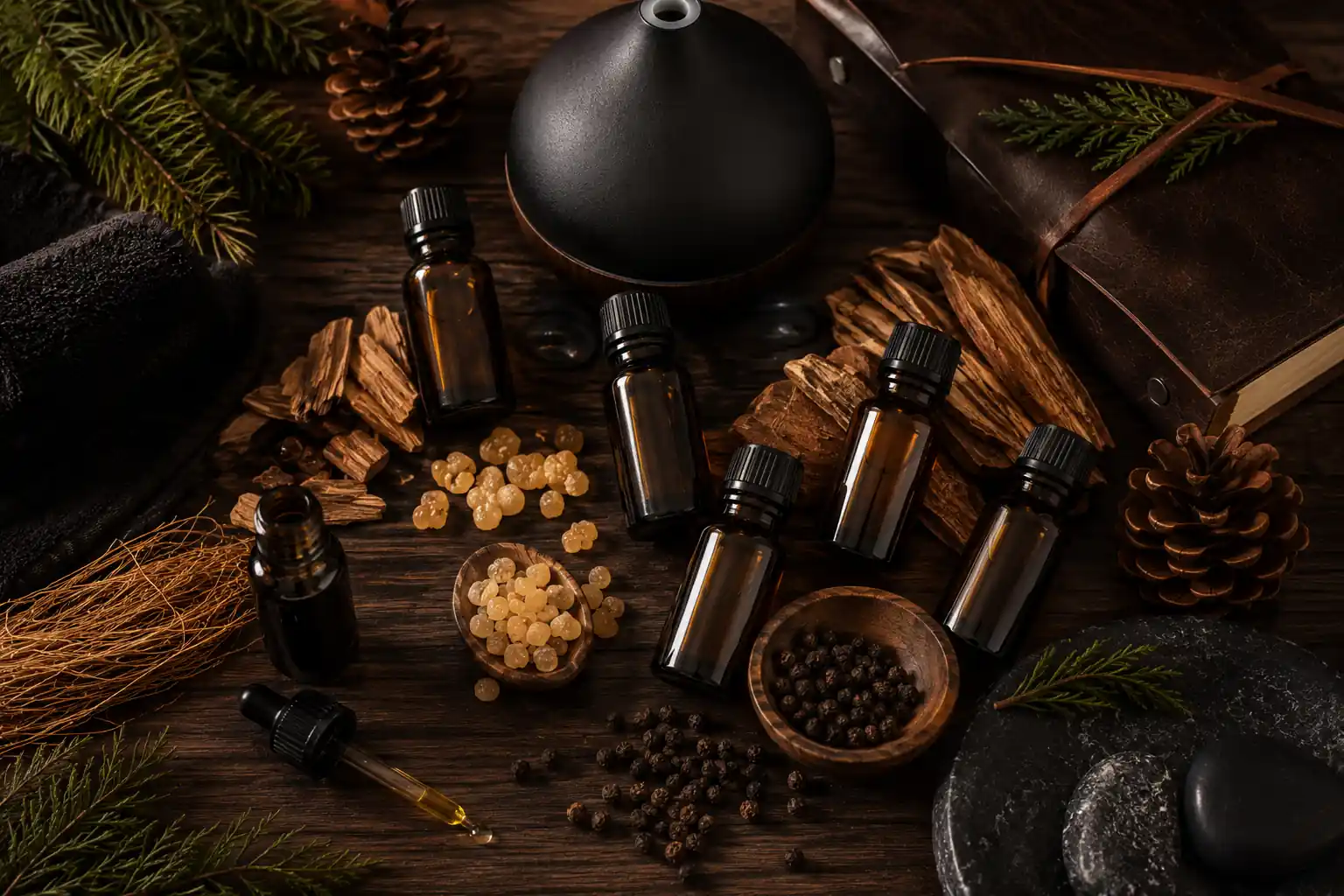
Natural vs Conventional Muscle Relief
| Feature | Essential Oil Massage | Conventional Pain Cream |
|---|---|---|
| Main purpose | Relaxation and massage support | Temporary pain relief |
| Aroma | Natural botanical fragrance | Usually medicinal |
| Massage benefits | Yes | Sometimes |
| Skin nourishment | Depends on carrier oil | Usually minimal |
| DIY customization | Excellent | Not possible |
| Suitable for daily massage | Often yes (when diluted) | Depends on product directions |
Many people enjoy combining both approaches under the guidance of a healthcare professional when appropriate.
Recommended Ingredients for Premium Homemade Blends
High-quality ingredients make a noticeable difference in both aroma and skin feel.
Frankincense Oil
Frankincense brings warmth and depth to nearly every recovery blend. Its rich resinous aroma creates a luxurious spa experience and pairs beautifully with woody and citrus oils.
Jojoba Oil
Jojoba remains one of the best carrier oils because it spreads easily, absorbs well, and leaves minimal residue. It’s an excellent everyday choice for homemade massage oils.
Argan Oil
Argan oil offers lightweight hydration and leaves skin feeling exceptionally smooth. It’s ideal when you want a premium massage blend that doubles as a nourishing body oil.
Rosehip Oil
Rosehip oil is valued for its nourishing fatty acids and antioxidants. While commonly associated with facial skincare, it can also enrich body massage blends for dry or mature skin.
Vitamin E Oil
Adding a small amount of vitamin E oil may help support the stability of your homemade blend while conditioning the skin.
Lavender Oil
Lavender remains one of the most versatile essential oils because it complements almost every recipe while encouraging a relaxing massage experience.
Common Mistakes to Avoid
Even natural products require proper use.
Avoid these common mistakes:
A- Using Undiluted Essential Oils
Applying pure essential oils directly to the skin increases the likelihood of irritation.
B- Ignoring Patch Tests
Always test your blend on a small area of skin and wait 24 hours before broader application.
C- Using Too Much Essential Oil
More is not better.
A balanced dilution often provides a more pleasant and skin-friendly experience.
D- Choosing Poor-Quality Oils
Look for reputable brands that clearly identify:
- Botanical name
- Country of origin
- Extraction method
- Purity information
E- Applying Before Intense Sun Exposure
Certain citrus essential oils may increase sensitivity to sunlight. Read each product’s safety recommendations carefully.
Safety Tips
Essential oils are concentrated plant extracts and should always be used responsibly.
- Keep away from children and pets.
- Avoid contact with eyes.
- Do not apply to broken or irritated skin.
- Consult a healthcare professional during pregnancy, breastfeeding, or if you have underlying medical conditions.
- Stop use if irritation develops.
- Store blends in dark glass bottles away from heat and sunlight.
Seek medical evaluation for severe muscle injuries, sudden swelling, persistent pain, fever, or loss of function.
What is a muscle pain relief essential oil blend recipe?
A muscle pain relief essential oil blend recipe combines diluted essential oils—such as peppermint, lavender, rosemary, eucalyptus, and frankincense—with a carrier oil for topical massage. These blends are commonly used to promote relaxation, ease feelings of muscle tightness, and support post-exercise recovery.
Does peppermint oil help sore muscles?
Peppermint essential oil contains menthol, which creates a cooling sensation on the skin. Many people enjoy this refreshing feeling after exercise or long workdays. It should always be diluted before topical use.
Can essential oils replace pain medication?
No. Essential oils are considered complementary wellness products. They may enhance relaxation and massage but should not replace medical evaluation or prescribed treatments for injuries or chronic pain.
How often can I use a muscle massage blend?
Most healthy adults can use a properly diluted massage blend several times per week or as needed, provided no irritation develops. Follow product safety guidelines and discontinue use if discomfort occurs.
Is a homemade essential oil blend worth making?
Yes. Homemade blends allow you to choose premium ingredients, customize the scent, adjust the dilution, and avoid unnecessary additives found in some commercial massage oils.
Frequently Asked Questions about muscle pain relief essential oil blend recipe
1. Which essential oil is best for sore muscles?
Peppermint, lavender, rosemary, eucalyptus, and frankincense are among the most popular choices. Each offers a unique aroma and massage experience, making them excellent options for homemade recovery blends.
2. Can I use essential oils every day?
Yes, many people use properly diluted massage oils daily. However, monitor your skin for irritation and rotate blends if sensitivity develops.
3. Which carrier oil is best?
Jojoba oil is an excellent all-around option because it absorbs well and works with most skin types. Sweet almond and argan oils are also popular choices.
4. How long does a homemade blend last?
When stored in a dark glass bottle away from sunlight and heat, most blends remain fresh for approximately six to twelve months, depending on the carrier oil used.
5. Should I refrigerate massage oils?
Usually not. A cool, dark cabinet is sufficient unless the carrier oil manufacturer recommends refrigeration.
6. Can athletes use these blends?
Yes. Many athletes incorporate aromatherapy massage into their recovery routines alongside stretching, hydration, adequate nutrition, and rest.
7. Are masculine essential oil blends different?
The primary difference is fragrance profile. Masculine blends often feature cedarwood, sandalwood, cypress, vetiver, fir needle, and frankincense rather than floral aromas.
8. Can I use these blends after every workout?
Yes, provided the blend is properly diluted and your skin tolerates it well. Applying it during a gentle post-workout massage can become part of a consistent recovery routine.
9. What should I do if my skin becomes irritated?
Wash the area with a carrier oil followed by mild soap and water. Stop using the blend and seek medical advice if irritation persists or worsens.
10. Can I diffuse the same recipe?
Not necessarily. Massage blends contain carrier oils, which are intended for topical use and should not be placed in most essential oil diffusers. Create separate diffuser blends instead.
Explore Even More Essential Oil Blend Recipes
Discover 25 Inspiring Blends for Every Mood, Season, and Occasion
You’ve just learned how to create effective muscle recovery and masculine-inspired massage blends—but that’s only the beginning of what essential oils can offer.
Whether you’re looking to boost your morning energy, create a peaceful bedtime ritual, freshen your home naturally, improve focus while working, or craft thoughtful handmade gifts, having a collection of trusted recipes makes experimenting easy and enjoyable.
✨ Don’t Stop at Muscle Relief
Our comprehensive guide, “25 Easy Essential Oil Blend Recipes for Every Mood and Need,” features carefully crafted blends for relaxation, stress relief, sleep, seasonal wellness, uplifting citrus combinations, cozy holiday aromas, romantic evenings, and everyday home fragrance.
It’s the perfect companion to this guide and a valuable resource you’ll return to throughout the year whenever you want a new blend to match your mood or routine.
Continue your essential oil journey and discover dozens of beautifully balanced recipes that transform ordinary moments into comforting daily rituals.
Conclusion
A homemade muscle pain relief essential oil blend recipe is more than just a pleasant fragrance—it’s an easy way to add relaxation and self-care to your daily routine. When paired with gentle massage, stretching, proper hydration, and adequate rest, the right blend can help soothe tired muscles and make recovery feel like a comforting ritual.
Start with simple, high-quality ingredients, experiment with combinations like peppermint, lavender, rosemary, eucalyptus, and frankincense, and customize each blend to match your needs. Whether you’re recovering after a workout or easing everyday muscle tension, consistency and safe use are key to getting the most from your blends.
Looking for More Essential Oil Inspiration?
If you enjoyed these recipes, don’t stop here. Explore our 25 Easy Essential Oil Blend Recipes for Every Mood and Need to discover energizing morning blends, calming sleep recipes, seasonal favorites, uplifting citrus combinations, cozy home diffuser blends, and much more. It’s the perfect companion to help you create natural aromas for every moment of your day.