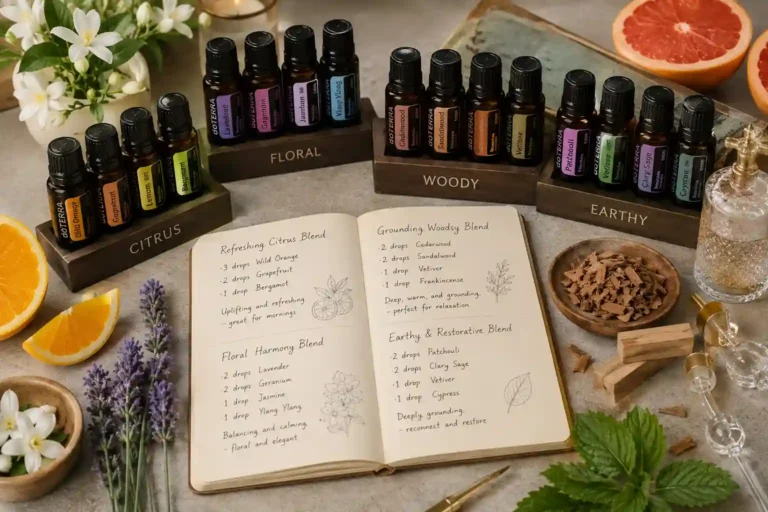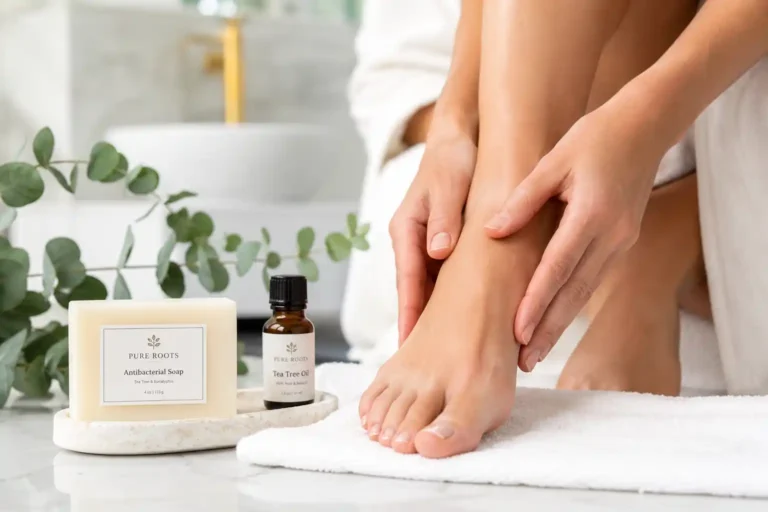
Home Spa Aromatherapy: The Complete Guide to Creating a Relaxing Wellness Retreat at Home
Home spa aromatherapy combines essential oils, calming scents, and spa-inspired wellness practices to create a relaxing, stress-relieving environment at home. By using diffusers, baths, steam therapy, and massage oils, people can support relaxation, improve mood, and enhance their self-care routines without visiting a professional spa.
What if you could enjoy the calming atmosphere of a luxury spa without ever leaving home? Home spa aromatherapy makes it possible by combining soothing essential oils, relaxing scents, and simple self-care rituals to create a peaceful wellness retreat in your own space.
Whether you’re looking to relieve stress, unwind after a long day, or elevate your daily self-care routine, home spa aromatherapy offers an easy and affordable way to transform ordinary moments into restorative experiences. In this guide, you’ll discover the best essential oils, products, benefits, and expert tips to create the ultimate spa experience at home.
What is home spa aromatherapy?
Home spa aromatherapy is the practice of using essential oils and aromatic plant extracts during self-care activities such as bathing, diffusing, massage, steam treatments, meditation, and skincare to create a spa-like atmosphere that promotes relaxation and well-being.
Key Benefits of home spa aromatherapy
| Benefit | How It Helps |
|---|---|
| Stress Reduction | Creates a calming atmosphere |
| Better Sleep | Supports healthy bedtime routines |
| Mood Enhancement | Pleasant scents can improve emotional well-being |
| Relaxation | Encourages mindfulness and self-care |
| Home Wellness | Creates a spa experience without leaving home |
| Sensory Enjoyment | Enhances baths, massages, and relaxation rituals |
Essential oils are concentrated plant extracts obtained from flowers, leaves, roots, bark, seeds, and fruits. When used properly, these oils provide distinctive scents that can influence mood, relaxation, and the overall spa experience.
A home spa aromatherapy routine may include:
- Essential oil diffusers
- Aromatherapy bath bombs
- Scented steam showers
- Massage oils
- Body scrubs
- Facial treatments
- Aromatherapy candles
- Meditation sessions
The goal is not medical treatment but rather creating an environment that supports relaxation, comfort, and personal wellness.
How Home Spa Aromatherapy Works
Aromatherapy primarily works through the sense of smell.
When aromatic molecules are inhaled, scent receptors in the nose send signals to areas of the brain involved in emotion, memory, and mood regulation. This is why certain scents can instantly make people feel calm, refreshed, energized, or comforted.
Home spa aromatherapy typically involves three pathways:
1. Inhalation
This is the most common method.
Examples include:
- Essential oil diffusers
- Steam inhalation
- Aromatherapy showers
- Room sprays
2. Topical Application
Diluted essential oils can be applied to the skin through:
- Massage oils
- Body lotions
- Bath blends
- Facial treatments
3. Environmental Enhancement
Aromatherapy helps create a sensory environment that encourages:
- Relaxation
- Mindfulness
- Stress reduction
- Better self-care habits
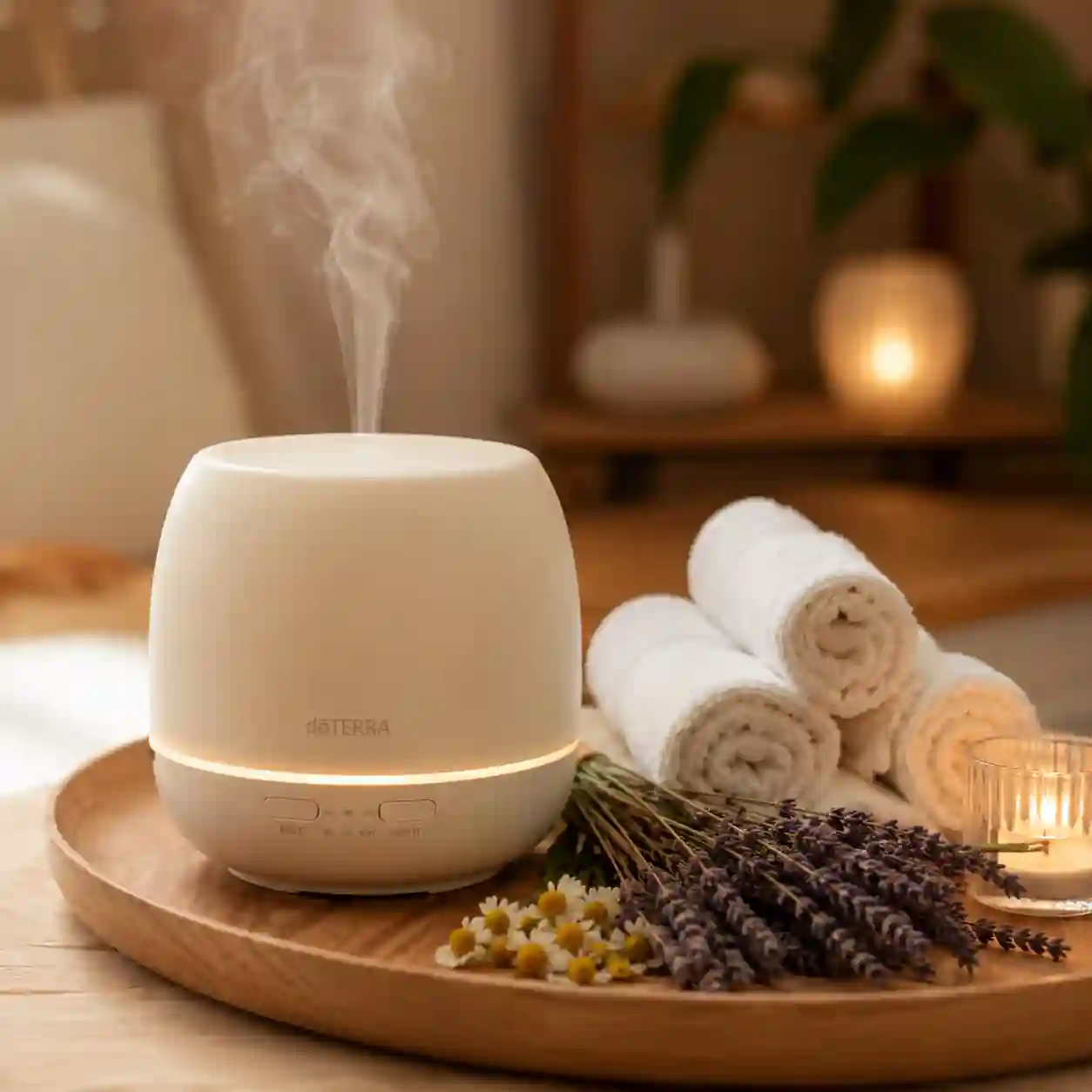
Benefits of Home Spa Aromatherapy
Many people incorporate aromatherapy into their wellness routines because it enhances relaxation and elevates the overall spa experience.
1. Supports Relaxation
Scents such as lavender and chamomile are commonly used during evening routines because they create a calm atmosphere.
2. Enhances Self-Care Rituals
Adding aromatherapy to baths, skincare routines, and meditation sessions makes these activities feel more intentional and enjoyable.
3. Creates a Luxury Spa Experience
Aromatherapy can transform an ordinary bathroom into a spa-inspired environment without requiring expensive renovations.
4. Encourages Mindfulness
Focusing on scent can help individuals stay present and engaged in relaxation practices.
5. Improves Home Ambiance
Diffusers and natural scents can make living spaces feel cleaner, calmer, and more welcoming.
Who Should Use Home Spa Aromatherapy?
Home spa aromatherapy may be beneficial for:
Busy Professionals
People looking for stress-relief rituals after work.
Parents
Those seeking a few moments of relaxation and self-care.
Wellness Enthusiasts
Individuals who enjoy meditation, yoga, and mindfulness.
Remote Workers
People wanting to create a more peaceful home environment.
Spa Lovers
Anyone who wants spa-like experiences without frequent spa appointments.
Best Types of Home Spa Aromatherapy
Different aromatherapy methods provide different experiences.
Comparison Table
| Type | Best For | Ease of Use |
|---|---|---|
| Diffusers | Daily relaxation | Very Easy |
| Aromatherapy Baths | Deep relaxation | Easy |
| Steam Showers | Quick stress relief | Easy |
| Massage Oils | Physical relaxation | Moderate |
| Candles | Ambiance | Very Easy |
| Room Sprays | Instant refreshment | Very Easy |
Essential Oil Diffusers
Diffusers disperse essential oils into the air and are ideal for continuous scent distribution.
Popular oils include:
- Lavender
- Eucalyptus
- Sweet Orange
- Peppermint
- Bergamot
Aromatherapy Bath Rituals
Baths combine warm water and aromatic oils to create a relaxing experience.
Popular additions include:
- Bath bombs
- Bath salts
- Carrier oils
- Dried botanicals
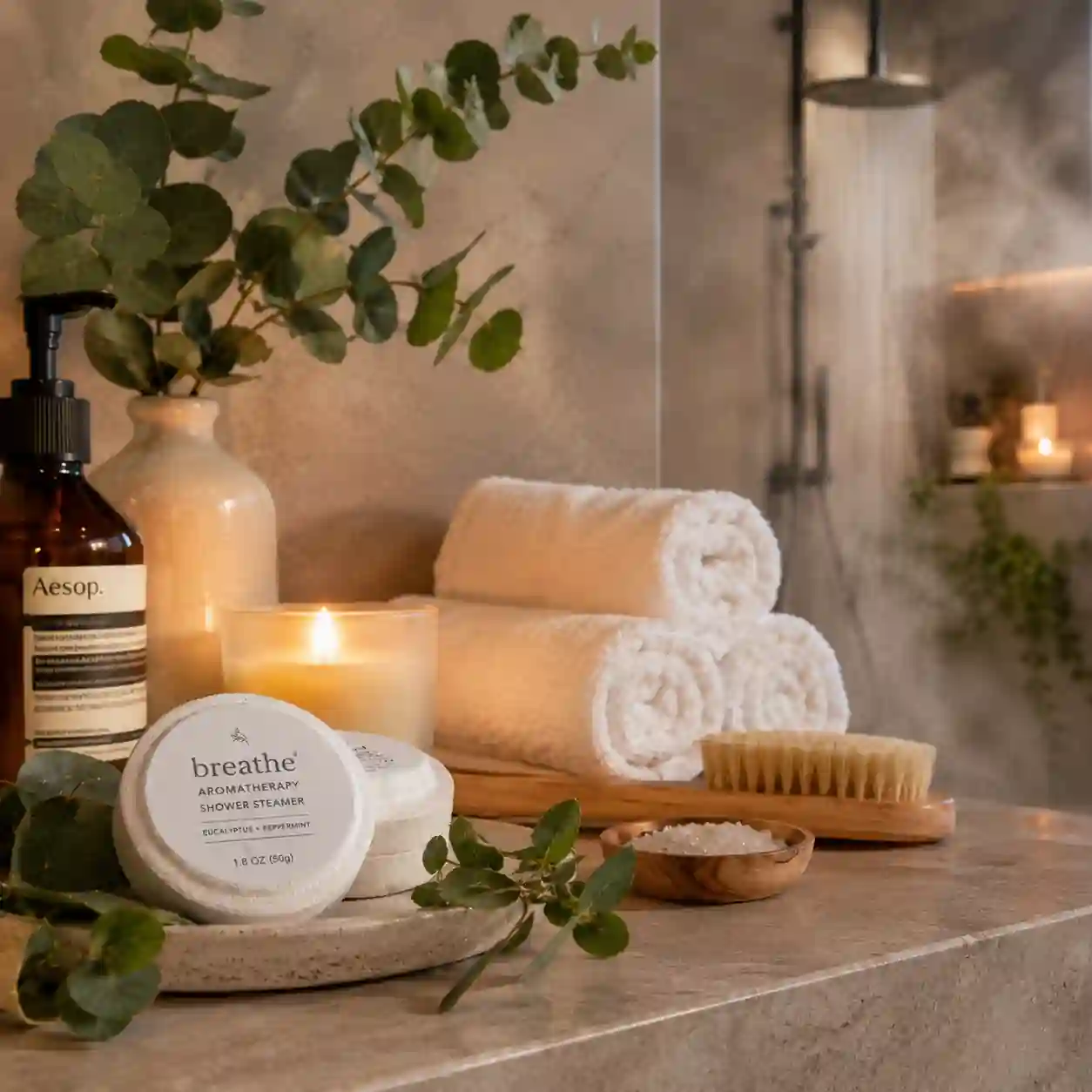
Aromatherapy Shower Steamers
These products release fragrance during showers and are excellent for people who prefer showers over baths.
Massage Oils
Diluted essential oils can enhance home massage sessions and relaxation rituals.
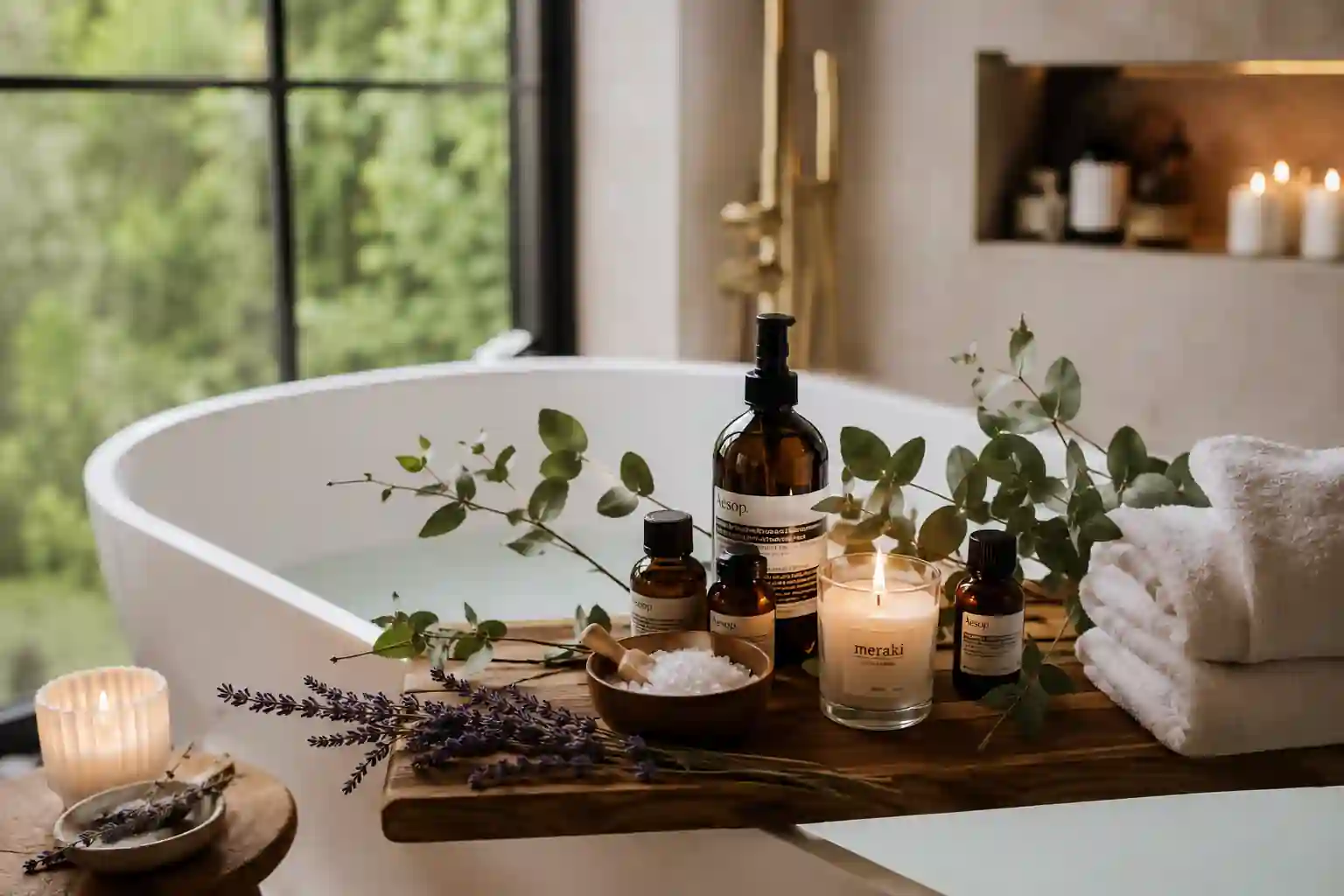
How to Use Home Spa Aromatherapy Properly
Creating an effective home spa experience is simple when following a structured approach.
Step 1: Choose Your Goal
Determine whether you want:
- Relaxation
- Energy
- Focus
- Better sleep
- Stress relief
Step 2: Select Appropriate Oils
| Goal | Essential Oils |
|---|---|
| Relaxation | Lavender, Chamomile |
| Energy | Lemon, Grapefruit |
| Focus | Rosemary, Peppermint |
| Sleep | Lavender, Cedarwood |
| Refreshment | Eucalyptus, Spearmint |
Step 3: Prepare the Environment
Create a calming atmosphere by:
- Dimming lights
- Playing relaxing music
- Removing distractions
- Organizing the space
Step 4: Use Aromatherapy Products
Choose one or more methods:
- Diffuser
- Bath
- Steam shower
- Massage oil
- Body scrub
Step 5: Practice Mindful Relaxation
Spend 15–30 minutes focusing on relaxation, breathing, and self-care.
Common Mistakes to Avoid
Even experienced wellness enthusiasts sometimes misuse aromatherapy.
Using Too Much Essential Oil
More is not always better. Strong scents can become overwhelming.
Applying Undiluted Oils
Many essential oils should be diluted before skin application.
Ignoring Ventilation
Fresh airflow helps maintain a comfortable aromatic environment.
Choosing Poor-Quality Oils
Low-quality products may contain synthetic ingredients that reduce the overall experience.
Mixing Too Many Scents
Complex blends can become overpowering and less enjoyable.
Home Spa Aromatherapy vs Alternatives
Comparison Table
| Feature | Home Spa Aromatherapy | Regular Spa Visit | Scented Candles Only |
|---|---|---|---|
| Convenience | High | Low | High |
| Cost | Low to Moderate | High | Low |
| Customization | High | Moderate | Low |
| Frequency | Anytime | Occasional | Anytime |
| Wellness Rituals | Extensive | Extensive | Limited |
Advantages of Home Spa Aromatherapy
Pros
- Affordable
- Convenient
- Personalized
- Flexible
- Supports self-care habits
Cons
- Requires initial setup
- Learning curve for essential oils
- Results vary by individual preferences
What to Look for Before Buying Home Spa Aromatherapy Products
Product quality significantly affects the overall experience.
Essential Oil Quality
Look for:
- Botanical names
- Purity information
- Transparent sourcing
- Third-party testing when available
Diffuser Features
Consider:
- Water capacity
- Timer settings
- Automatic shutoff
- Noise level
- Coverage area
Safety Features
Prioritize products that include:
- Clear instructions
- Safety certifications
- Durable materials
Packaging
Dark glass bottles help protect essential oils from light exposure.
Best Home Spa Aromatherapy Products
The ideal setup depends on your goals and lifestyle.
For Beginners
- Ultrasonic diffuser
- Lavender essential oil
- Eucalyptus essential oil
- Bath salts
For Relaxation
- Chamomile oil
- Lavender blends
- Aromatherapy candles
- Bath bombs
For Luxury Home Spa Experiences
- Premium diffuser
- Heated towel rack
- Natural bath salts
- Botanical body scrubs
- Essential oil collections
Product Comparison Factors
| Factor | Why It Matters |
|---|---|
| Purity | Better aroma quality |
| Diffuser Coverage | Room effectiveness |
| Safety Features | Reliable operation |
| Ease of Cleaning | Better maintenance |
| Price | Long-term value |
| Scent Variety | Personalization |
Expert Tips for Better Results
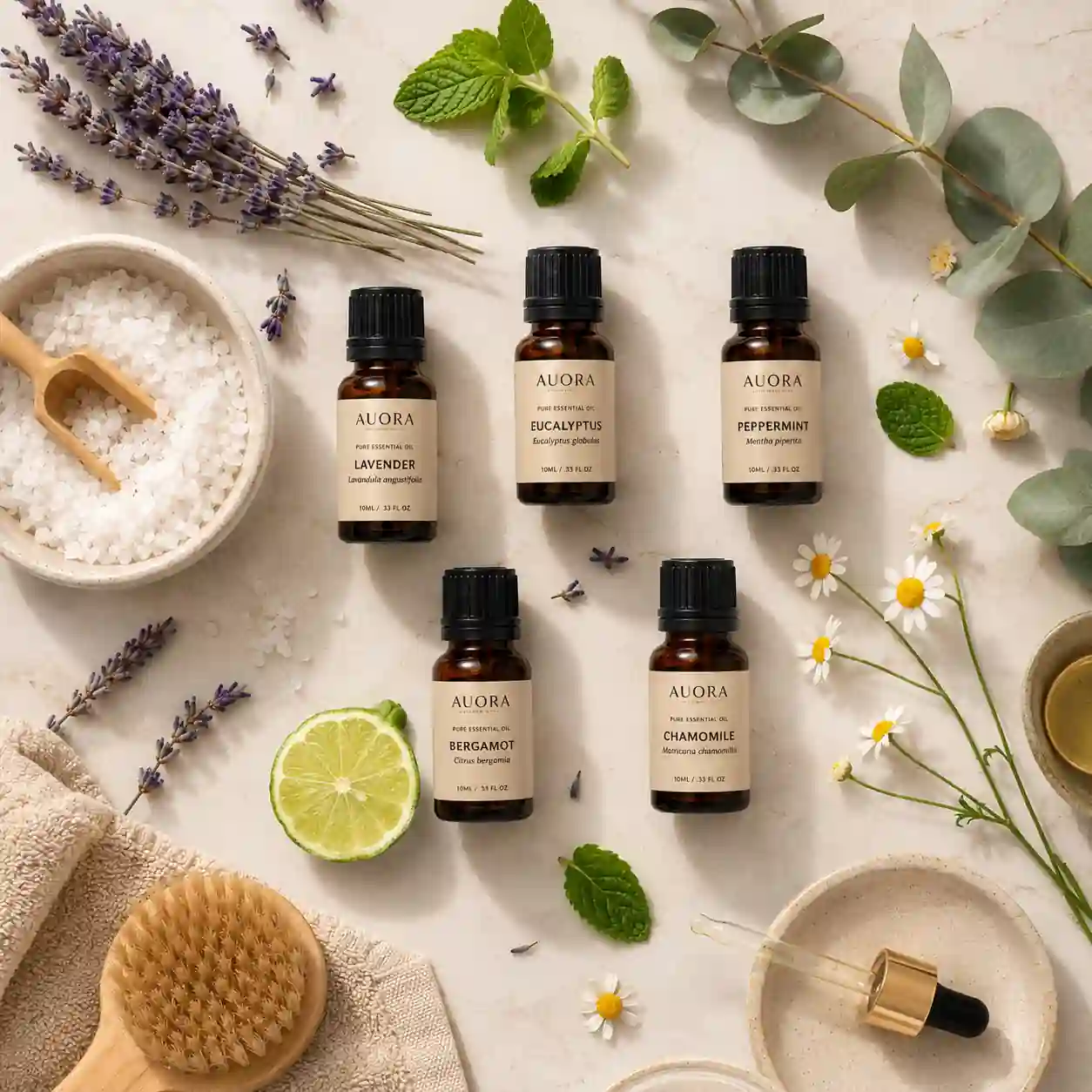
Create Signature Blends
Develop personalized scent combinations that match your preferences.
Match Scents to Activities
Use different oils for:
- Sleep routines
- Meditation
- Reading
- Bathing
- Morning rituals
Rotate Essential Oils
Changing scents periodically can keep experiences fresh and engaging.
Build Consistent Rituals
Regular use often creates a stronger association between scent and relaxation.
Start Small
Begin with one diffuser and a few versatile oils before expanding your collection.
Frequently Asked Questions about Home Spa Aromatherapy
Is home spa aromatherapy safe?
Generally, yes, when products are used according to manufacturer instructions and essential oils are properly diluted.
What is the best essential oil for relaxation?
Lavender is one of the most commonly used oils for relaxation-focused aromatherapy routines.
Can I use aromatherapy every day?
Many people incorporate aromatherapy into daily wellness habits, though usage should follow product guidelines.
Do I need a diffuser?
No. Baths, shower steamers, room sprays, and massage oils can also provide aromatherapy experiences.
How long should a home spa session last?
Most people benefit from 20–60 minutes of uninterrupted relaxation time.
Which oils are best for a spa-like atmosphere?
Popular choices include lavender, eucalyptus, bergamot, chamomile, sandalwood, and sweet orange.
Can aromatherapy replace professional spa treatments?
It can provide a convenient alternative for relaxation, but professional spa treatments may offer additional services and expertise.
What is the easiest way to start?
A diffuser and a high-quality lavender essential oil are often the simplest entry point.
Are natural products better?
Many wellness enthusiasts prefer natural products because they typically provide more authentic aromas.
How much essential oil should I use?
Always follow manufacturer recommendations and product instructions.
Final Verdict
Home spa aromatherapy is one of the most accessible ways to bring relaxation, mindfulness, and wellness into daily life. By combining quality essential oils, thoughtfully designed self-care rituals, and a calming environment, you can create a personalized spa experience from the comfort of your home.
Whether you prefer diffusers, aromatherapy baths, shower steamers, massage oils, or candles, the key to success is choosing high-quality products, using them safely, and developing consistent wellness habits. With the right approach, home spa aromatherapy can become a valuable part of a balanced self-care routine that supports relaxation, comfort, and everyday well-being.