Essential Oils for Cleaning & Home: Naturally Freshen Every Room Without Harsh Chemicals
Have you ever cleaned your home from top to bottom only to be greeted by lingering odors, chemical smells, or stuffy indoor air? Many conventional cleaning products leave behind artificial fragrances that can feel overwhelming, while others simply mask odors instead of eliminating them. If you’re looking for a cleaner, fresher home using more natural ingredients, essential oils can be a simple yet powerful addition to your routine.
Whether you want an air freshener essential oil blend, an essential oil room freshener, naturally scented essential oil dryer balls, or an essential oil laundry detergent recipe, essential oils offer versatile solutions that can make your home smell clean while supporting a healthier cleaning routine. When used correctly and safely, they provide pleasant aromas, help reduce unwanted odors, and enhance homemade cleaning products with naturally derived plant compounds.
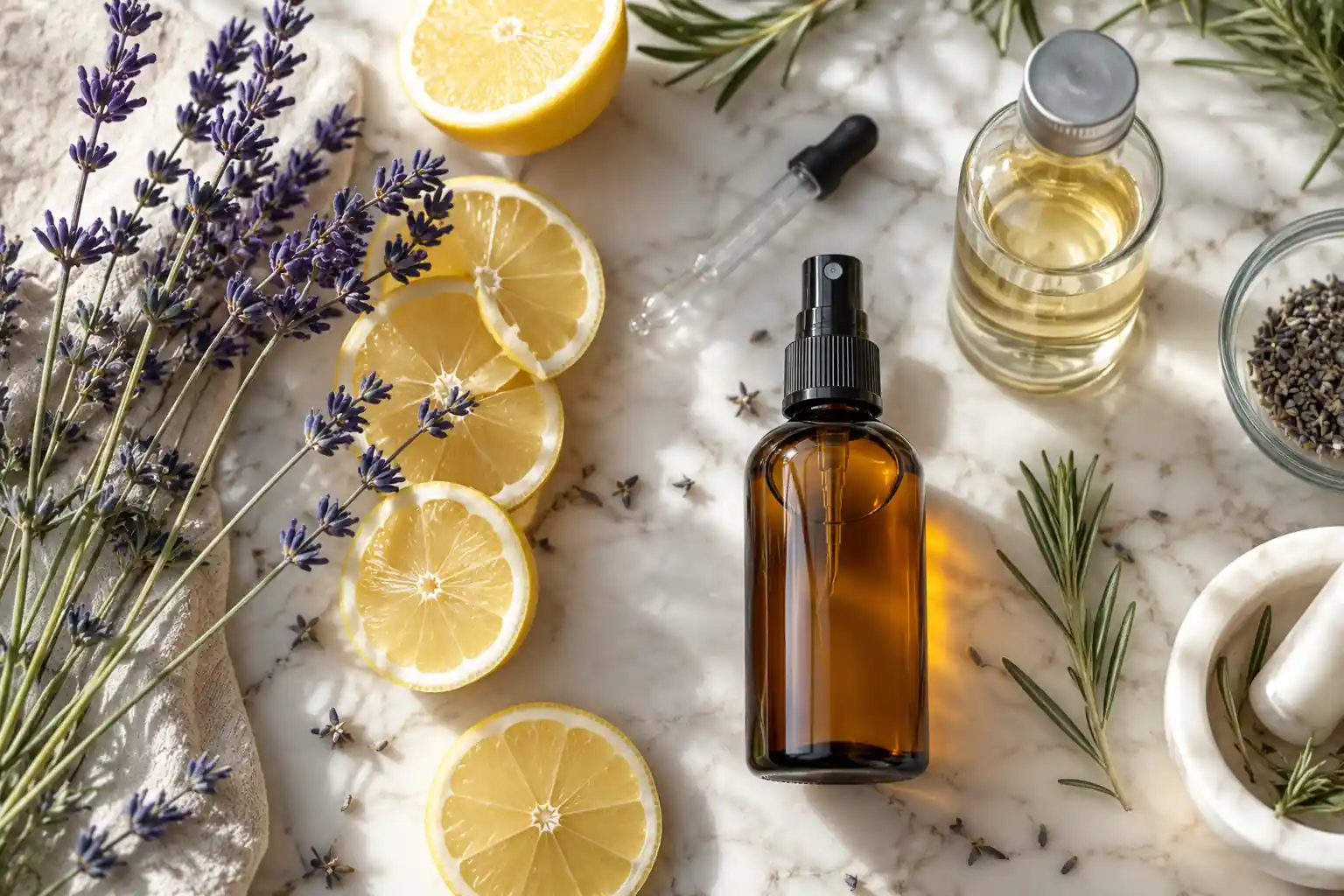
Essential oils can naturally freshen indoor spaces, laundry, and household surfaces by adding pleasant botanical scents to homemade cleaning products. Popular choices include lemon, lavender, eucalyptus, tea tree, peppermint, orange, and rosemary. You can use them in room sprays, dryer balls, laundry detergents, odor removers, and shower steam. While they don’t replace proper cleaning or disinfection, they can significantly improve the freshness of your home when used safely and appropriately.
Key Takeaways
- Essential oils naturally add fresh scents to homemade cleaning and laundry products.
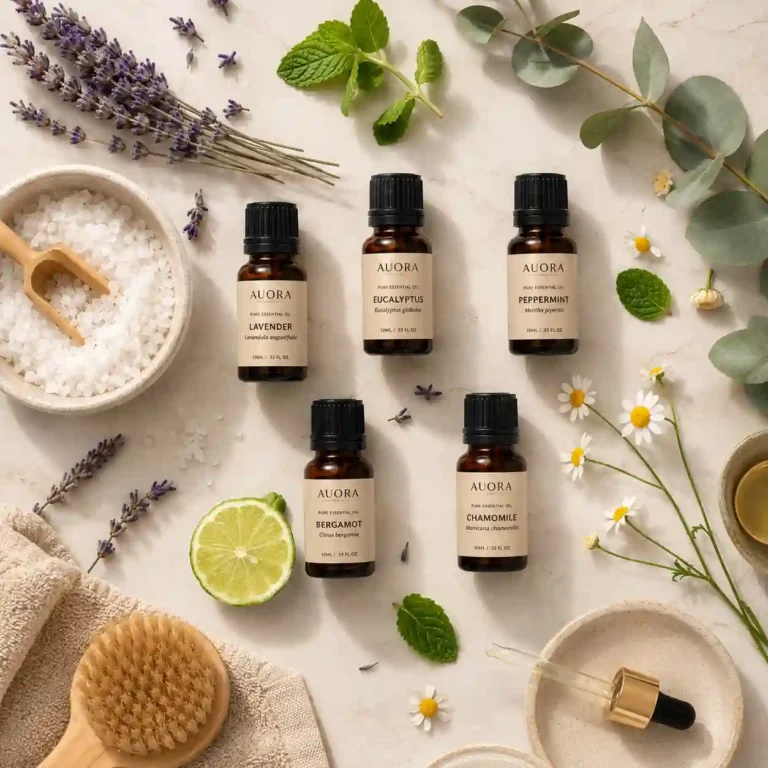
- Lemon, tea tree, eucalyptus, lavender, peppermint, and orange oils are among the most versatile cleaning oils.
- Wool dryer balls paired with essential oils can reduce static while lightly scenting clothes.
- Homemade room sprays and odor removers are inexpensive and customizable.
- Some essential oils contain plant compounds that have been studied for antimicrobial activity, but they should not replace EPA-approved disinfectants when disinfection is required.
- Proper dilution and safe storage are essential, especially around children and pets.
- Rotating different essential oil blends keeps your home smelling fresh throughout every season.
Why Essential Oils Have Become a Popular Choice for Natural Cleaning
Natural home care has grown far beyond simple DIY trends. More homeowners now want products that are effective, customizable, and free from unnecessary synthetic fragrances.
Essential oils fit perfectly into this lifestyle because they offer:
- Fresh botanical aromas
- Multiple scent options
- Easy DIY recipes
- Simple ingredient lists
- Cost-effective homemade alternatives
- Versatility throughout the home
Unlike artificial fragrances that simply cover unpleasant smells, many essential oils create a cleaner-smelling environment by replacing stale odors with fresh plant-based aromas.
Although research has shown that several essential oils contain naturally occurring compounds with antimicrobial activity in laboratory settings, real-world cleaning still depends on physical removal of dirt, proper ventilation, and appropriate disinfectants when necessary.
What Are Essential Oils for Home Cleaning?
Essential oils are concentrated aromatic extracts obtained from flowers, leaves, peels, bark, roots, and other plant materials through methods such as steam distillation or cold pressing.
Each oil contains hundreds of naturally occurring compounds responsible for its distinctive scent and characteristics.
For home cleaning, essential oils are commonly used in:
- Air fresheners
- Laundry products
- Room sprays
- Dryer balls
- Surface cleaners
- Floor cleaners
- Bathroom refreshers
- Carpet deodorizers
- Linen sprays
- Closet fresheners
Rather than acting as stand-alone cleaners, essential oils typically complement other ingredients like vinegar, baking soda, castile soap, or alcohol in homemade cleaning solutions.
Benefits of Using Essential Oils Around the Home
1. Naturally Fresh Scents
One of the biggest reasons homeowners switch to essential oils is fragrance.
Instead of synthetic perfumes, essential oils provide aromas directly inspired by nature.
Examples include:
- Bright citrus
- Fresh herbs
- Forest pine
- Cooling mint
- Floral lavender
- Crisp eucalyptus
Because different oils blend beautifully together, you can create personalized scents for every room.
2. Customizable Cleaning Recipes
Commercial cleaners offer only a few fragrance options.
With essential oils, you can easily customize recipes based on:
- Season
- Mood
- Room type
- Family preferences
- Laundry scent
- Holiday themes
Popular combinations include:
| Mood | Essential Oil Blend |
|---|---|
| Fresh Kitchen | Lemon + Rosemary |
| Relaxing Bedroom | Lavender + Cedarwood |
| Bright Living Room | Sweet Orange + Grapefruit |
| Clean Bathroom | Tea Tree + Eucalyptus |
| Cozy Winter | Cinnamon + Orange + Clove |
| Energizing Morning | Peppermint + Lemon |
3. Budget-Friendly
Although quality essential oils may seem expensive initially, only a few drops are needed for most DIY recipes.
One small bottle can scent dozens of:
- Laundry loads
- Room sprays
- Air fresheners
- Cleaning solutions
- Dryer balls
This often makes homemade products surprisingly economical over time.
4. Reduces Artificial Fragrance Exposure
Many people prefer minimizing heavily scented products throughout their homes.
Using essential oils allows you to:
- Control fragrance strength
- Avoid overpowering perfumes
- Choose single-note scents
- Experiment with custom blends
This flexibility is especially appealing for households that enjoy lighter, more natural aromas.
Best Essential Oils for Cleaning and Freshening Your Home
Certain essential oils have become household favorites because of their clean, refreshing scents and versatility.
1- Lemon Essential Oil
Perhaps the most iconic cleaning oil.
Best for:
- Kitchens
- Countertops
- Garbage disposals
- Laundry
- Dishwashing blends
Aroma:
Bright, fresh, crisp, uplifting.
Pairs well with:
- Lavender
- Tea Tree
- Rosemary
- Peppermint
- Orange
2- Tea Tree Essential Oil
Tea tree oil is frequently included in homemade bathroom and surface cleaners because of its fresh medicinal aroma and well-studied antimicrobial properties in laboratory research.
Best for:
- Bathrooms
- Tile
- Shower curtains
- Trash bins
- Shoe deodorizing
Aroma:
Fresh, earthy, medicinal.
3- Lavender Essential Oil
Lavender isn’t just relaxing—it also makes linens and bedrooms smell wonderfully clean.
Perfect for:
- Linen sprays
- Bedrooms
- Towels
- Pillows
- Laundry
Its soft floral scent blends with nearly every cleaning recipe.
4- Eucalyptus Essential Oil
If you enjoy the feeling of walking into a luxury spa, eucalyptus is hard to beat.
Excellent for:
- Bathroom steam
- Shower sprays
- Floor cleaners
- Air purification blends
- Entryways
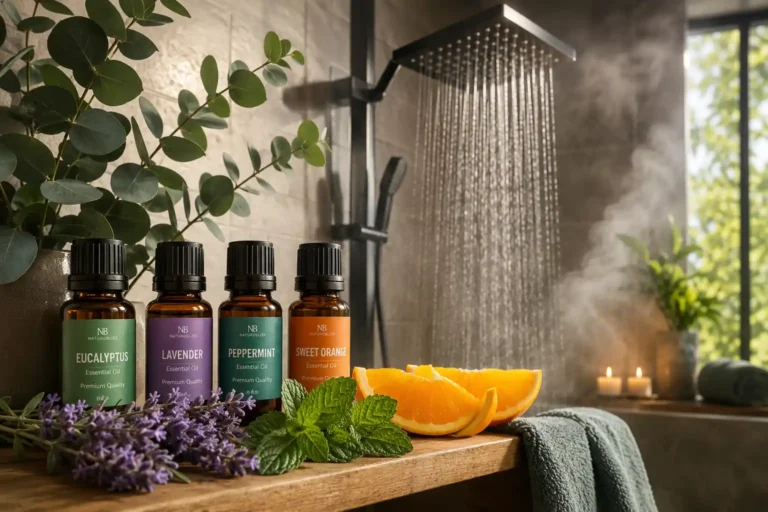
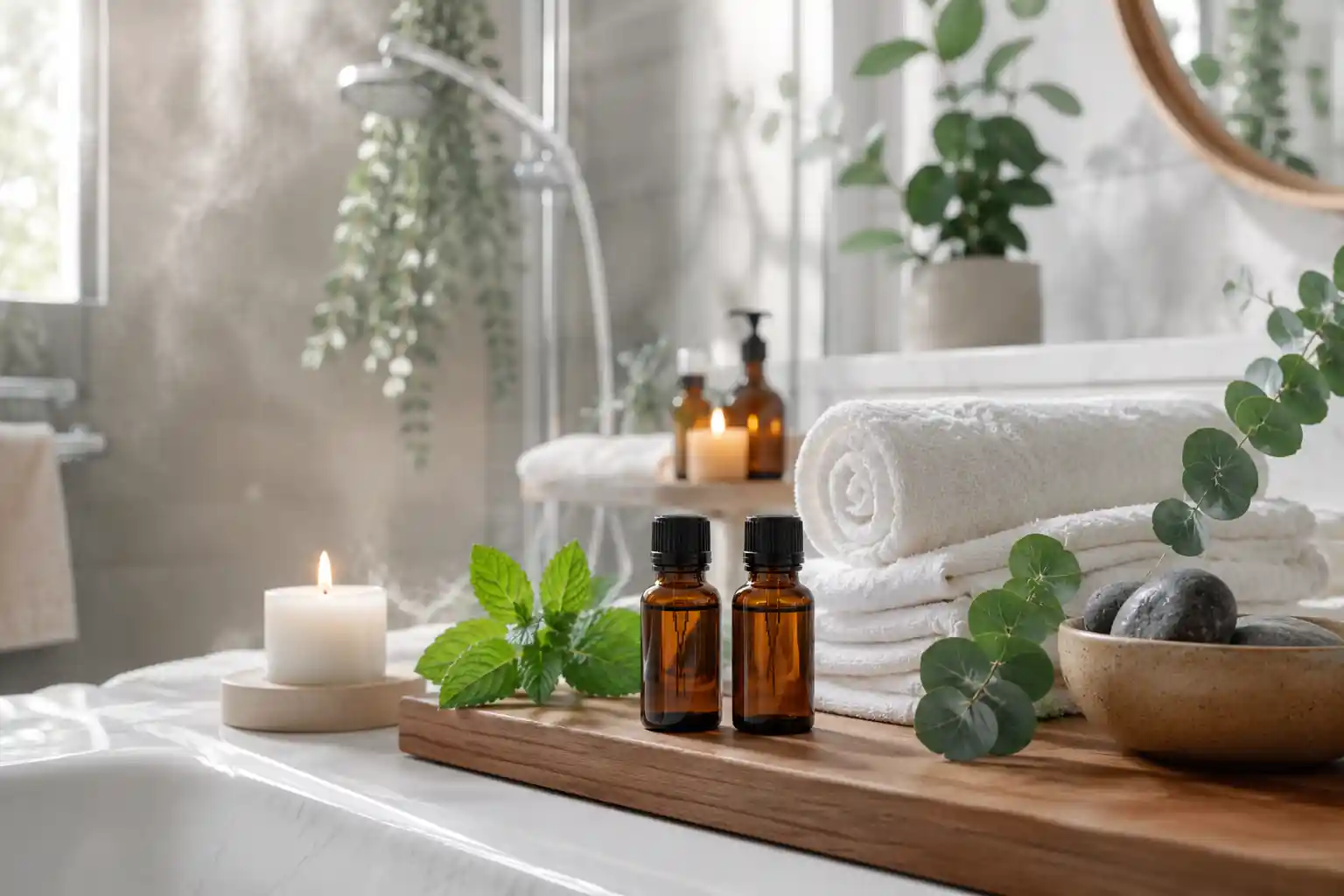
Many people also enjoy eucalyptus when learning how to use essential oils in shower routines, adding a few drops to the shower floor (away from direct contact) or to a shower steamer for a refreshing aromatic experience.
5- Sweet Orange Essential Oil
Sweet orange delivers a cheerful citrus scent that instantly brightens a room.
Great for:
- Living rooms
- Kitchens
- DIY sprays
- Holiday blends
It mixes beautifully with cinnamon, clove, rosemary, and peppermint.
6- Peppermint Essential Oil
Peppermint creates a cool, crisp atmosphere that many people associate with cleanliness.
Ideal for:
- Office spaces
- Entryways
- Laundry
- Trash cans
- Homemade odor remover recipes
7- Rosemary Essential Oil
Rosemary offers a fresh herbal scent that complements citrus oils beautifully.
Common uses include:
- Kitchen cleaning
- Linen sprays
- Laundry boosters
- Multipurpose cleaners
Its invigorating aroma makes it especially popular in spring and summer cleaning blends.
Choosing the Best Essential Oil for Every Room
Each area of the home benefits from different scent profiles. Matching the right essential oil to the space can create a more cohesive and enjoyable atmosphere.
| Room | Best Essential Oils | Why They Work |
|---|---|---|
| Kitchen | Lemon, Rosemary, Sweet Orange | Bright, clean citrus and herbal scents help neutralize cooking odors. |
| Bathroom | Tea Tree, Eucalyptus, Peppermint | Fresh, crisp aromas leave the room feeling clean and spa-like. |
| Bedroom | Lavender, Cedarwood, Chamomile | Soft, calming scents create a relaxing environment. |
| Living Room | Grapefruit, Orange, Bergamot | Light citrus notes make shared spaces feel welcoming. |
| Laundry Room | Lavender, Lemon, Rosemary | Fresh botanical fragrances complement clean fabrics. |
| Home Office | Peppermint, Lemon, Rosemary | Energizing scents may help create a refreshing workspace. |
Scientific Perspective: What Does Research Say?
Essential oils have been studied for decades because they contain naturally occurring plant compounds such as terpenes, alcohols, esters, aldehydes, and phenols.
Laboratory research suggests that certain oils—including tea tree, eucalyptus, thyme, cinnamon, oregano, and lemon—may exhibit antimicrobial activity against some bacteria and fungi under controlled conditions. However, laboratory findings do not automatically translate to real-world household disinfection.
For everyday cleaning, the most effective approach combines:
- Removing dirt and grime with soap or detergent.
- Using appropriate disinfectants when sanitation is required (such as after handling raw meat or during illness).
- Enhancing the cleaning experience with essential oils for their pleasant aromas and complementary properties.
This balanced approach helps you enjoy the sensory benefits of essential oils while relying on evidence-based cleaning practices.
Essential Oils for Air Freshening, Laundry, and Homemade Cleaning Solutions
Air Freshener Essential Oil: The Best Oils for a Naturally Fresh Home
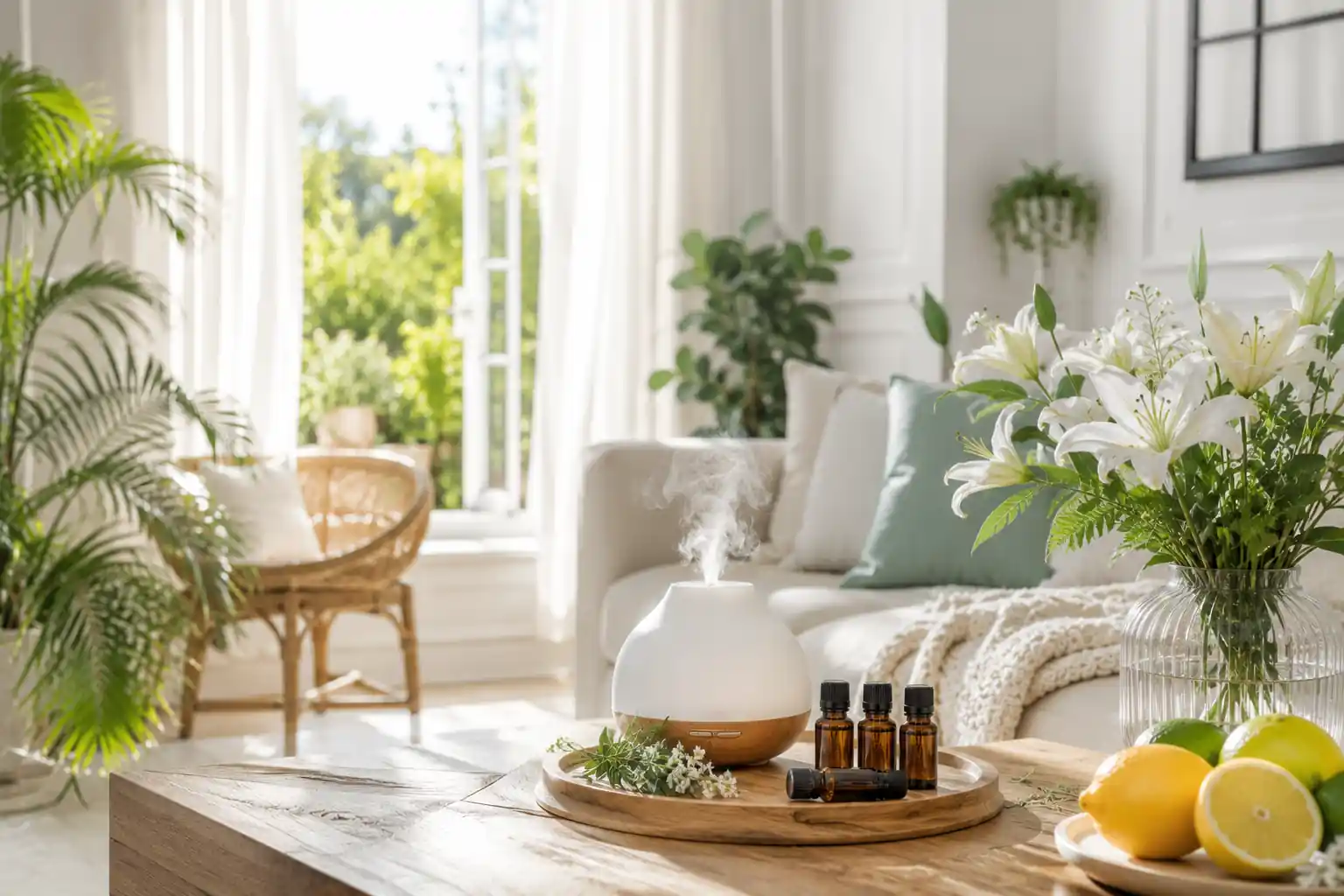
Commercial air fresheners often rely on synthetic fragrance compounds that temporarily mask odors. A homemade air freshener essential oil blend offers a customizable alternative that leaves your home smelling fresh with botanical aromas.
The best essential oils for air freshening balance pleasant fragrance with odor-neutralizing potential.
| Essential Oil | Scent Profile | Best Used In |
|---|---|---|
| Lemon | Bright, citrus | Kitchens, garbage areas |
| Lavender | Soft floral | Bedrooms, linens |
| Sweet Orange | Fresh citrus | Living rooms |
| Peppermint | Crisp mint | Entryways, offices |
| Tea Tree | Clean herbal | Bathrooms |
| Eucalyptus | Spa-like | Bathrooms, showers |
| Rosemary | Fresh herbal | Laundry rooms |
| Cedarwood | Warm woody | Closets, bedrooms |
| Grapefruit | Light citrus | Open living spaces |
| Lemongrass | Clean lemon | Floors, kitchens |
DIY Everyday Air Freshener Spray
Ingredients
- 1 cup distilled water
- 2 tablespoons witch hazel or vodka
- 20–30 drops essential oils
- Glass spray bottle
Suggested Blend
- 10 drops lemon
- 10 drops lavender
- 8 drops sweet orange
- 4 drops rosemary
Shake before each use and lightly mist into the air. Avoid spraying directly onto delicate fabrics, pets, or polished wood surfaces.
Essential Oil Room Freshener Recipes for Every Season
One of the greatest advantages of making your own essential oil room freshener is changing scents throughout the year.
1- Spring Blend
- Lemon
- Lavender
- Geranium
Fresh, floral, and uplifting.
2- Summer Blend
- Grapefruit
- Sweet Orange
- Peppermint
Bright and energizing.
3- Autumn Blend
- Orange
- Cinnamon
- Clove
Warm and inviting.
4- Winter Blend
- Pine
- Cedarwood
- Eucalyptus
A crisp forest-inspired aroma.
5- Relaxing Evening Blend
- Lavender
- Cedarwood
- Chamomile
Ideal before bedtime.
Essential Oils for Air Purification: What They Can—and Can’t—Do
Many people search for essential oils for air purification, but it’s important to understand what that means.
Essential oils do not filter indoor air like a HEPA air purifier or remove pollutants such as dust, smoke particles, or allergens. However, they can:
- Improve the perceived freshness of indoor air.
- Replace unpleasant odors with natural aromas.
- Create a more pleasant home environment.
- Complement good ventilation and regular cleaning.
For cleaner indoor air:
- Open windows regularly.
- Replace HVAC filters on schedule.
- Vacuum with a HEPA-filter vacuum.
- Control moisture to reduce mold growth.
- Use essential oils for fragrance—not as a substitute for ventilation or air filtration.
Air Cleaner Essential Oil: Which Ones Smell the Freshest?
If your goal is an air cleaner essential oil blend that gives your home a just-cleaned feeling, these oils consistently perform well.
1- Citrus Oils
- Lemon
- Orange
- Grapefruit
- Lime
Perfect for:
- Kitchens
- Entryways
- Living rooms
2- Herbal Oils
- Rosemary
- Basil
- Sage
Ideal for:
- Home offices
- Kitchens
- Laundry rooms
3- Fresh Forest Oils
- Pine
- Fir Needle
- Cedarwood
- Cypress
Excellent during winter months.
4- Spa-Inspired Oils
- Eucalyptus
- Peppermint
- Lavender
Popular in bathrooms and bedrooms.
Essential Oil for Room Spray: Step-by-Step Guide
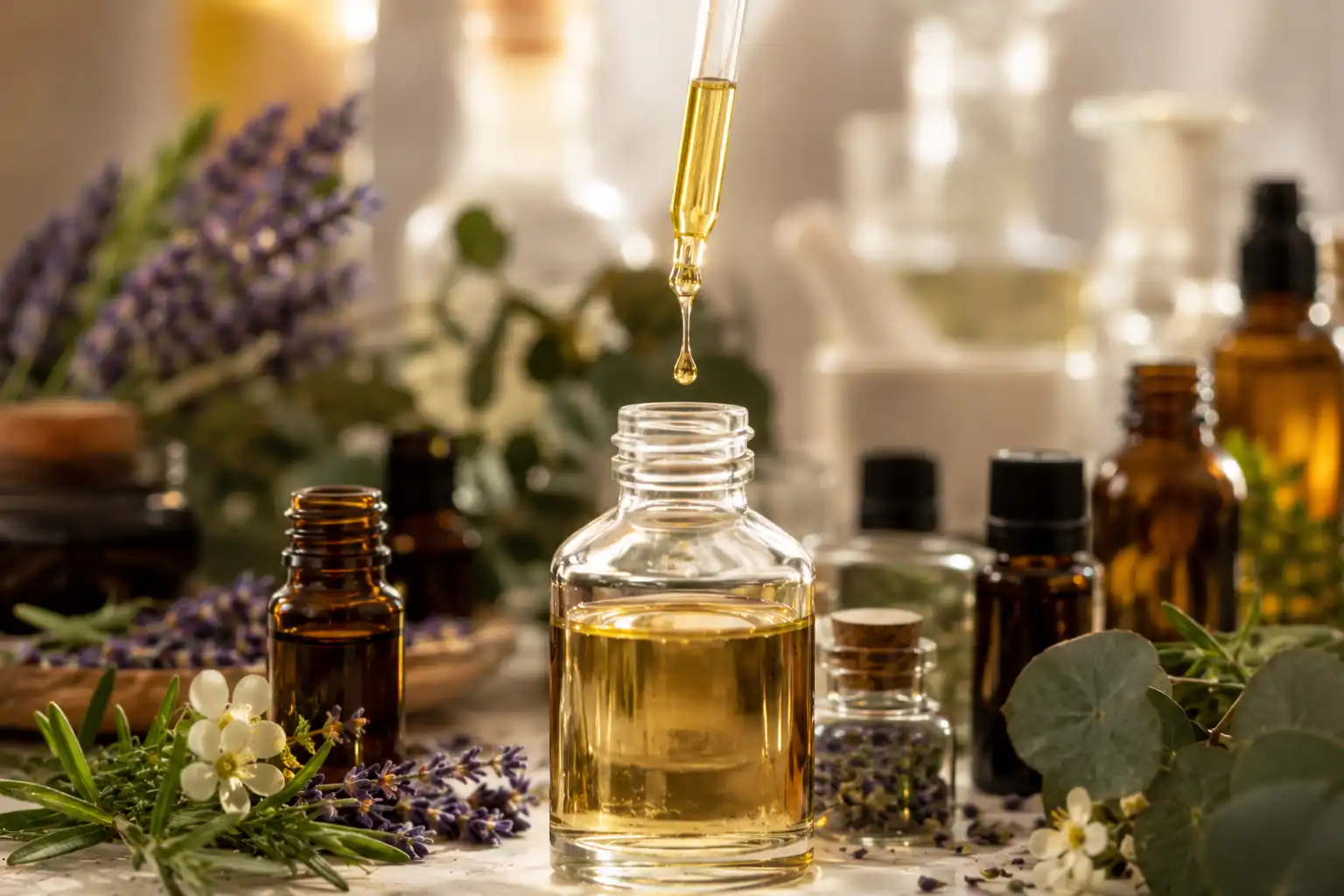
Making your own essential oil for room spray takes less than five minutes.
Ingredients
- 1 cup distilled water
- 2 tablespoons witch hazel
- 25 drops essential oils
- Glass spray bottle
Directions
- Add witch hazel.
- Add essential oils.
- Pour in distilled water.
- Shake well.
- Spray into open spaces.
Popular Combinations
Fresh Linen
- Lavender
- Lemon
- Rosemary
Mountain Breeze
- Pine
- Fir Needle
- Cedarwood
Clean Citrus
- Lemon
- Orange
- Grapefruit
Spa Retreat
- Eucalyptus
- Peppermint
- Lavender
Essential Oil Dryer Balls: A Natural Laundry Upgrade
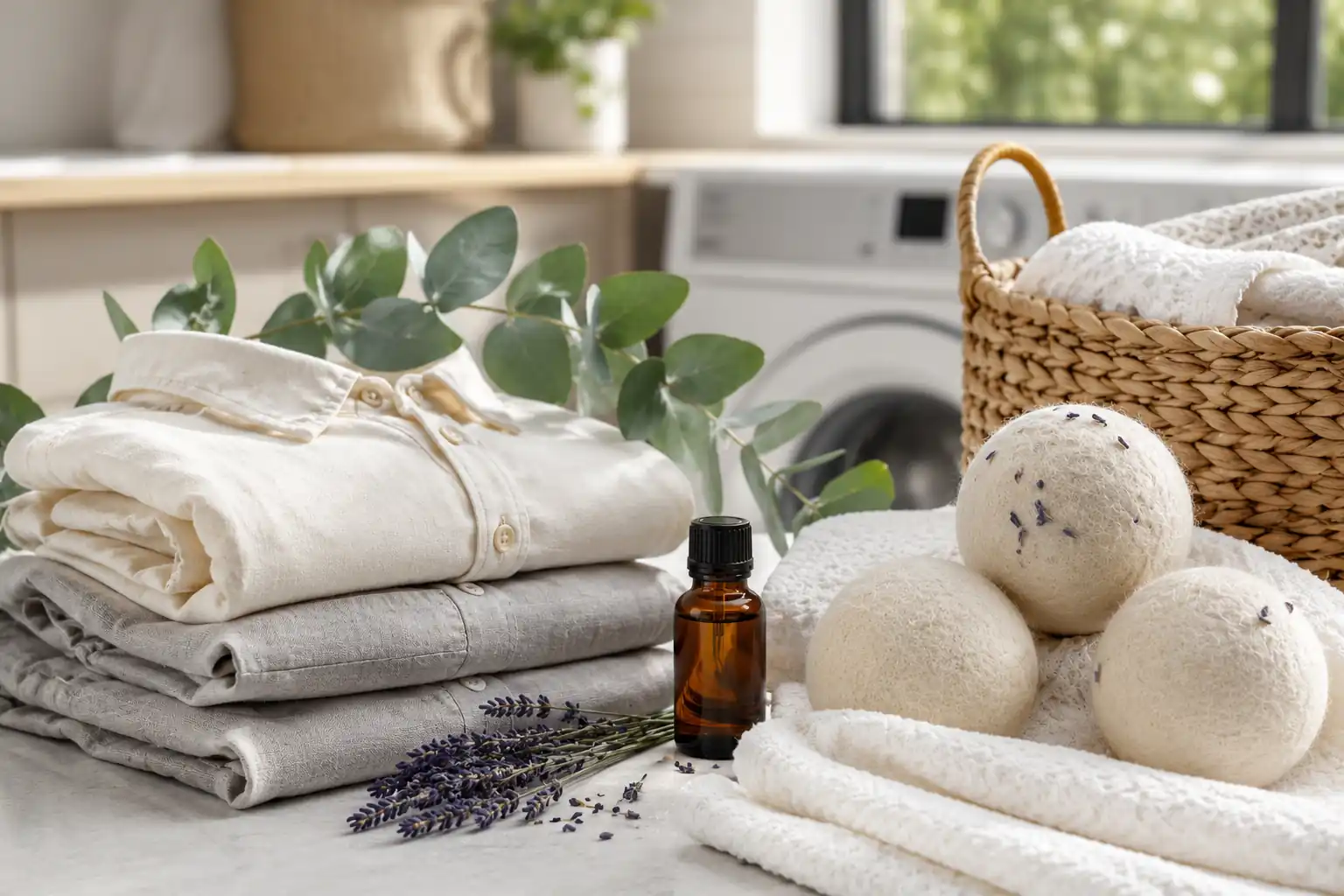
Wool dryer balls have become one of the easiest ways to naturally scent laundry.
They help:
- Reduce drying time.
- Minimize static.
- Soften fabrics through movement.
- Carry light essential oil fragrances onto clothing.
How to Use Essential Oil Dryer Balls
- Place clean wool dryer balls on a flat surface.
- Add 3–5 drops of essential oil to each ball.
- Let the oil absorb for several hours—or overnight if possible.
- Toss the dryer balls into the dryer with wet laundry.
- Reapply oil every few loads as needed.
Allowing the oil to absorb before use helps reduce the chance of oil transferring directly to fabrics.
Best Essential Oils for Dryer Balls
- Lavender
- Lemon
- Sweet Orange
- Rosemary
- Cedarwood
- Grapefruit
- Bergamot
Avoid using excessive amounts of oil, as more isn’t necessarily better and may increase the risk of spotting on fabrics.
Essential Oils for Clothes
Your wardrobe can benefit from subtle natural scents in several ways.
Ideas include:
1- Closet Fresheners
Fill small fabric sachets with:
- Dried lavender
- Cedar chips
- Cotton balls lightly scented with essential oils
Place them on closet shelves—not directly against delicate fabrics.
2- Linen Spray
Mist lightly onto:
- Sheets
- Towels
- Pillowcases
Always test on an inconspicuous area first.
3- Drawer Freshener
Add a few drops of lavender or cedarwood to a wooden diffuser block or cotton pad and place it inside dresser drawers.
Essential Oils for Dryer Sheets (Reusable Option)
Instead of disposable dryer sheets, many households use reusable cloth squares.
DIY Reusable Dryer Sheets
You’ll need:
- Cotton fabric squares
- Airtight container
- Essential oils
Add:
- 2–3 drops of oil per cloth.
Favorite blends include:
- Lavender + Lemon
- Orange + Rosemary
- Cedarwood + Lavender
- Grapefruit + Peppermint
Wash and reuse the cloths as needed.
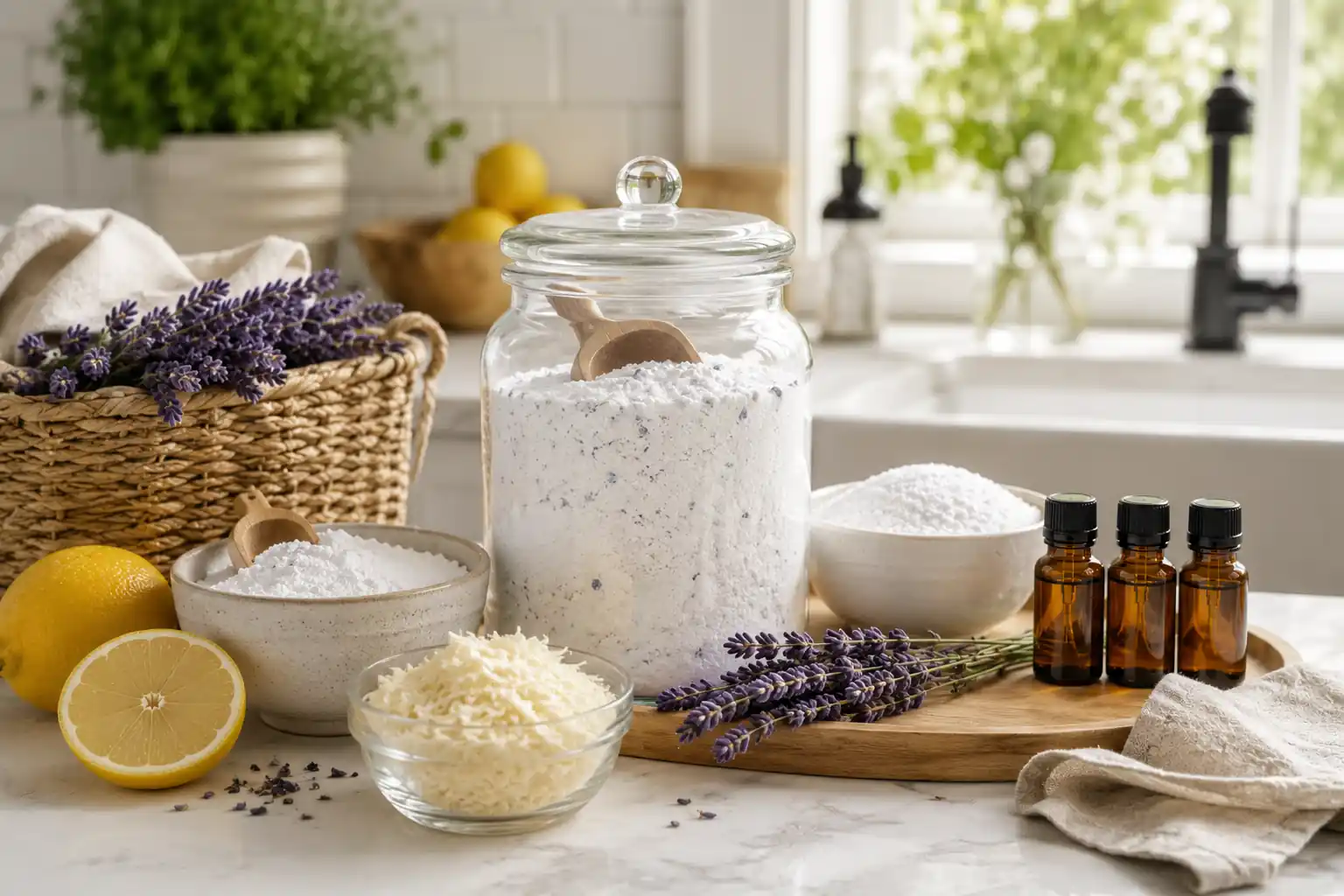
Essential Oil Laundry Detergent Recipe
If you enjoy homemade cleaning products, creating an essential oil laundry detergent is straightforward.
Ingredients
- 2 cups washing soda
- 2 cups baking soda
- 1 cup finely grated castile soap
- 20–30 drops lavender or lemon essential oil
Mix thoroughly and store in an airtight container.
Use approximately 1–2 tablespoons per regular load, adjusting based on load size and your washing machine’s instructions.
Note: Homemade detergents may not perform the same as commercial detergents in all washing machines or water conditions. Check your appliance manufacturer’s recommendations, especially for high-efficiency (HE) washers.
Homemade Odor Remover for Every Room
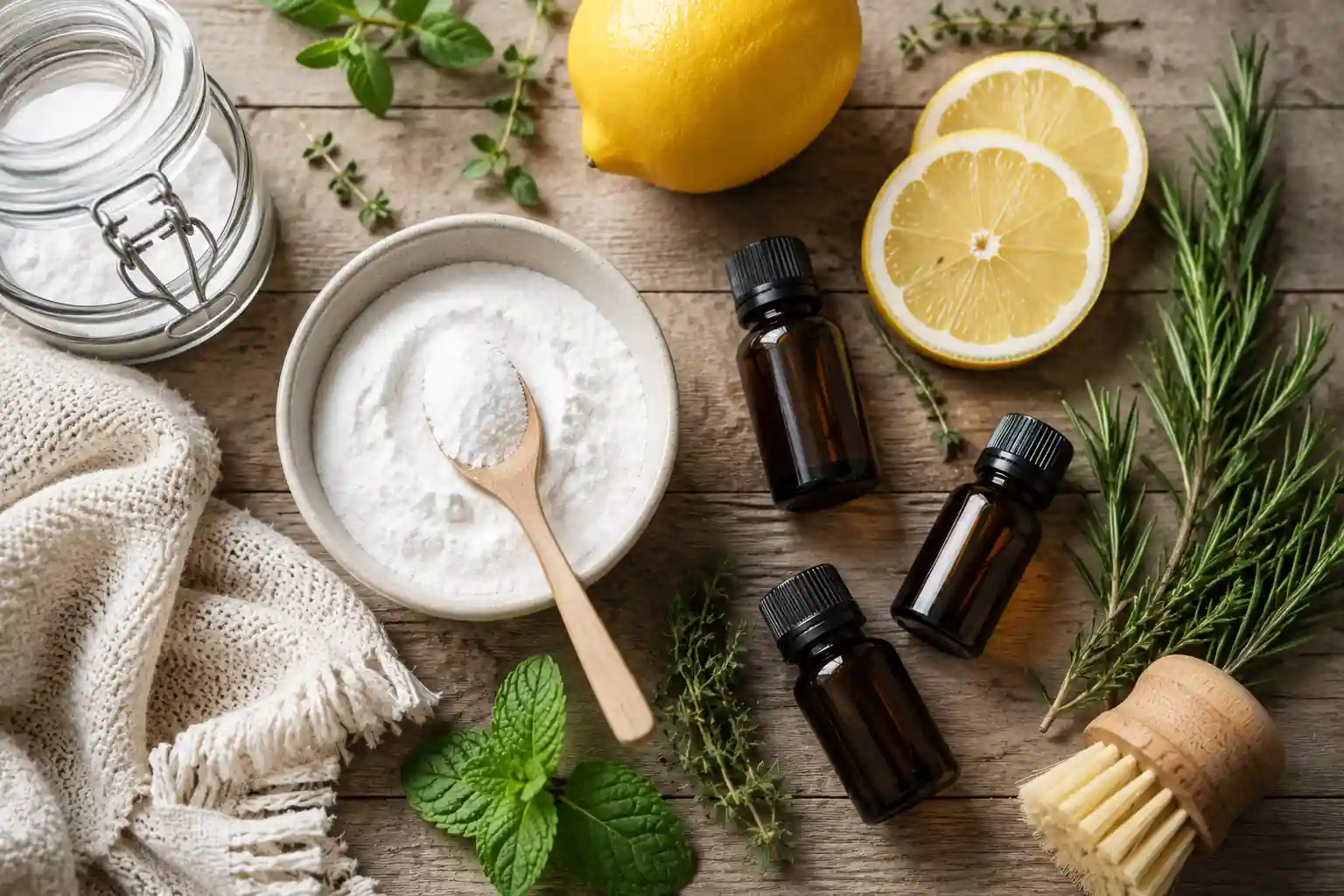
A reliable homemade odor remover can tackle common household smells without relying on heavy perfumes.
1- Carpet Refresher
Mix:
- 1 cup baking soda
- 15 drops lavender
- 10 drops lemon
Sprinkle lightly onto carpet, let sit for 15–30 minutes, then vacuum thoroughly.
2- Trash Can Freshener
Place a cotton ball with:
- Tea Tree
- Lemon
- Peppermint
inside the bottom of the trash can liner (where it won’t contact food waste directly).
3- Shoe Deodorizer
Mix:
- Baking soda
- Lavender
- Tea Tree
Sprinkle into shoes overnight, then shake out before wearing.
Refrigerator Freshener
Keep an open container of baking soda in the refrigerator for odor absorption. If desired, place a separately scented cotton ball with a drop or two of lemon oil nearby (not in contact with food) for a fresh aroma.
How to Use Essential Oils in Shower
Many people are surprised that showers can become one of the most enjoyable places to enjoy essential oils.
Method 1: Shower Floor
Add 2–4 drops to an area of the shower floor away from the direct water stream, allowing steam to gently diffuse the aroma. Avoid slippery surfaces and direct skin contact with undiluted oils.
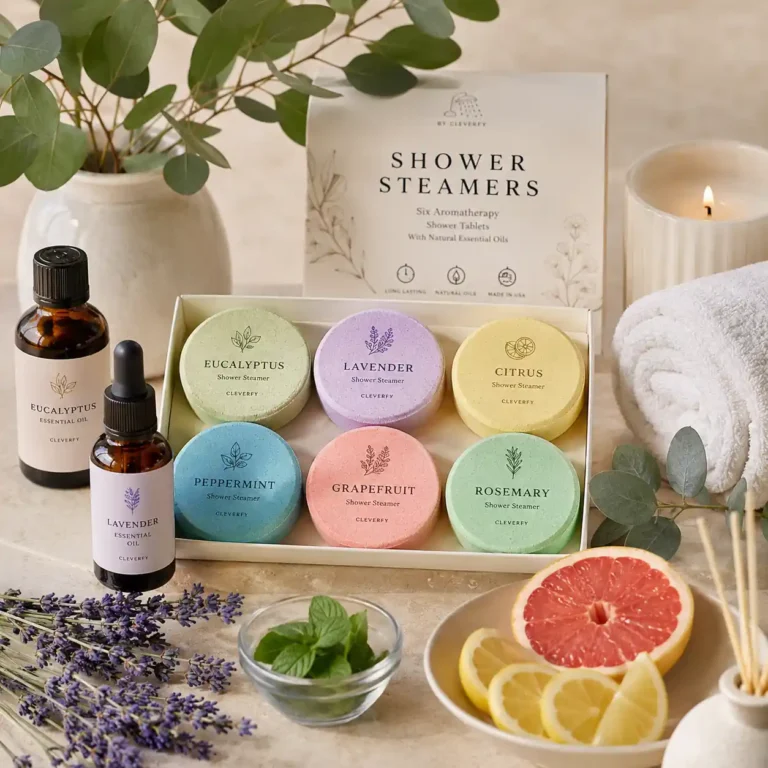
Method 2: Shower Steamers
Use homemade or store-bought shower steamers infused with essential oils.
Method 3: Washcloth
Place 1–2 drops on a damp washcloth and position it away from the strongest water flow.
Best Shower Oils
- Eucalyptus
- Peppermint
- Lavender
- Lemon
- Rosemary
The warm steam helps disperse the aroma, creating a refreshing spa-like experience.
Common Mistakes to Avoid
Even natural products should be used thoughtfully. Avoid these common pitfalls:
- Using undiluted essential oils directly on large household surfaces without testing first.
- Applying too much oil to dryer balls or reusable dryer sheets.
- Mixing incompatible cleaning chemicals (for example, never combine bleach with vinegar or ammonia).
- Assuming essential oils disinfect every surface on their own.
- Using citrus oils on surfaces that may be damaged by acidic cleaners without spot testing.
- Leaving essential oil bottles within reach of children or pets.
- Forgetting to check whether specific oils are appropriate if you share your home with sensitive individuals or animals.
Up Next: Create Signature Home Fragrance Blends
You’ve discovered how to use essential oils to freshen your home, scent your laundry, and make simple DIY cleaning products. But choosing oils is only half the fun—the real magic happens when you learn how to combine them into balanced, long-lasting blends.
Discover Your Perfect Essential Oil Pairings
Want your home to smell like a luxury spa, a fresh citrus garden, or a cozy cabin in the woods? Learning which oils complement each other can completely transform your DIY recipes.
Don’t miss our complete guide: What Essential Oils Blend Well Together? Complete Pairing Guide
Inside, you’ll discover:
- Beginner-friendly blending formulas.
- Classic citrus, floral, herbal, and woody combinations.
- Seasonal fragrance recipes.
- Tips for creating your own signature scent.
- Easy blending ratios for diffusers, room sprays, laundry, and cleaning products.
Explore more expert essential oil guides, DIY recipes, and natural wellness inspiration at H2O Blends to build your confidence and make every corner of your home smell naturally amazing.
Frequently Asked Questions
1. What is the best air freshener essential oil?
Lemon, lavender, sweet orange, eucalyptus, and peppermint are among the best choices for a natural air freshener essential oil. Citrus oils create a bright, clean aroma, while lavender adds a calming floral note. Combining two or three complementary oils often produces a more balanced and longer-lasting fragrance.
2. Do essential oils really make a house smell good?
Yes. Essential oils can make a home smell fresh by replacing stale odors with natural botanical aromas. While they don’t eliminate every source of odor, using them in room sprays, diffusers, dryer balls, or homemade cleaning products can create a cleaner-smelling environment when paired with regular housekeeping.
3. Which essential oils are best for air purification?
Essential oils such as tea tree, eucalyptus, lemon, thyme, and rosemary have been studied for antimicrobial activity in laboratory settings. However, they do not purify indoor air in the same way that air filtration systems remove dust, allergens, or pollutants. Good ventilation and routine cleaning remain essential.
4. Can I put essential oils directly on dryer balls?
Yes, but only use a few drops—typically 3 to 5 drops per wool dryer ball—and allow the oil to absorb before placing the balls in the dryer. This helps reduce the chance of oil transferring to fabrics while providing a light, fresh scent.
5. What are the best essential oils for clothes?
Lavender, cedarwood, lemon, rosemary, bergamot, and sweet orange are popular choices for scenting clothes. They work well in dryer balls, linen sprays, closet sachets, and reusable dryer sheets, giving fabrics a naturally fresh aroma.
6. Can I make my own essential oil laundry detergent?
Yes. Homemade laundry detergents often combine washing soda, baking soda, grated castile soap, and a small amount of essential oil for fragrance. Keep in mind that homemade formulas may perform differently depending on your washing machine, water hardness, and fabric types.
7. How do I make an essential oil room freshener?
A simple room spray can be made by combining distilled water, witch hazel (or vodka), and 20–30 drops of your favorite essential oils in a glass spray bottle. Shake well before each use and lightly mist into the air or onto suitable fabrics after spot testing.
8. How can I use essential oils in the shower?
You can place a few drops of essential oil on the shower floor away from the direct water stream, use a shower steamer, or add a drop or two to a damp washcloth. The steam helps disperse the aroma, creating a refreshing spa-like experience. Always avoid direct application of undiluted oils to the skin.
9. Are essential oils safe for pets?
Some essential oils can be harmful to dogs, cats, birds, and other pets, especially in concentrated forms or poorly ventilated spaces. If you have pets, use essential oils cautiously, provide good ventilation, and consult your veterinarian before introducing new oils into your home.
10. Is it worth switching to homemade cleaning products with essential oils?
For many households, yes. Homemade cleaning products allow you to control ingredients, customize scents, and reduce reliance on heavily fragranced products. However, they should complement—not replace—appropriate cleaners and disinfectants when hygiene and sanitation are important.
Conclusion
A naturally fresh home doesn’t require shelves full of strongly scented commercial products. With the right essential oils, you can create personalized room sprays, freshen laundry with essential oil dryer balls, make a gentle essential oil laundry detergent, and enjoy an inviting atmosphere throughout every room.
The key is to choose high-quality essential oils, use them safely, and remember that while they add beautiful natural fragrance and can enhance homemade cleaning routines, they work best alongside regular cleaning, good ventilation, and evidence-based hygiene practices.
Start with one simple DIY recipe—perhaps a citrus room spray or lavender-scented dryer balls—and build from there. Over time, you’ll discover the blends and routines that make your home feel uniquely fresh, welcoming, and comfortable.
🌿 Continue Your Essential Oil Journey
Every amazing home fragrance starts with understanding which oils actually work well together.
Imagine creating:
- A luxurious hotel-inspired living room scent
- A calming bedroom blend that feels like a spa
- A bright citrus kitchen aroma that everyone notices
- Cozy holiday fragrances guests will remember
- Signature blends that are completely your own
If you’re ready to move beyond single oils, don’t miss our most-loved guide:
👉 What Essential Oils Blend Well Together? Complete Pairing Guide
Inside you’ll learn:
- ✔ Beginner-friendly blending formulas
- ✔ Foolproof essential oil pairing charts
- ✔ Floral, citrus, herbal, woody, and seasonal combinations
- ✔ DIY recipes for diffusers, room sprays, candles, laundry, and cleaning products
- ✔ Professional blending tips used by aromatherapy enthusiasts
Explore even more expert guides, DIY recipes, and natural home inspiration at and discover new ways to enjoy essential oils every day.