12 Amazing Facts About Aleppo Soap From Syria, the World’s Most Famous Traditional Soap
What makes a soap survive for centuries while countless skincare products disappear?
Aleppo soap from Syria is one of the world’s oldest soaps, prized for its simple ingredients, rich history, and timeless appeal. But what makes it so special?
Discover the story behind Aleppo soap, its potential benefits, how it’s made, and why this ancient skincare tradition remains popular today.
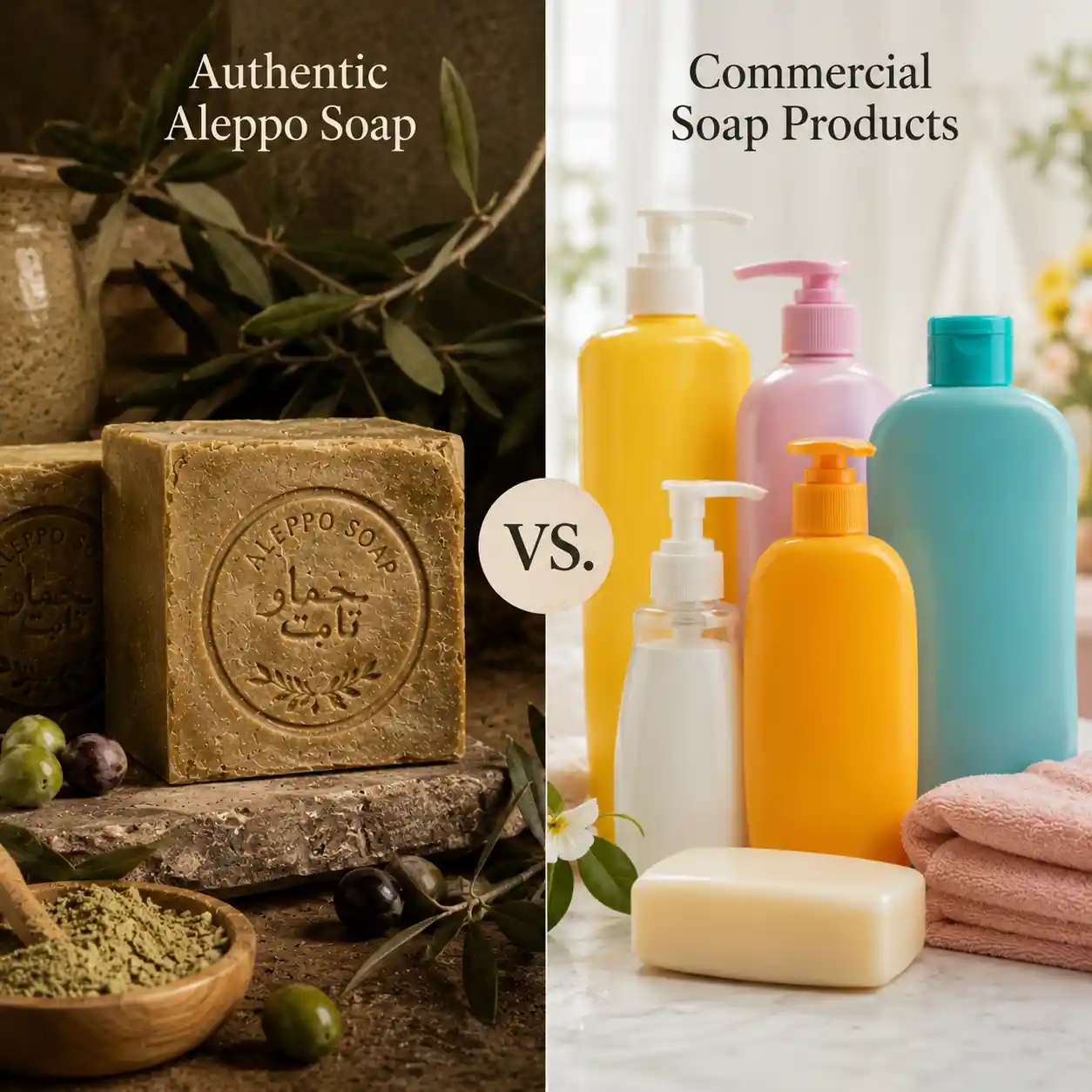
Aleppo soap from Syria is a traditional natural soap made primarily from olive oil and laurel berry oil. Known for its gentle cleansing properties, it has been produced in the city of Aleppo for centuries. Many people use it for sensitive skin, dry skin, and minimalist skincare routines because it contains simple, natural ingredients and is traditionally aged for several months before use.
Key Takeaways
- Aleppo soap is considered one of the oldest soaps in history.
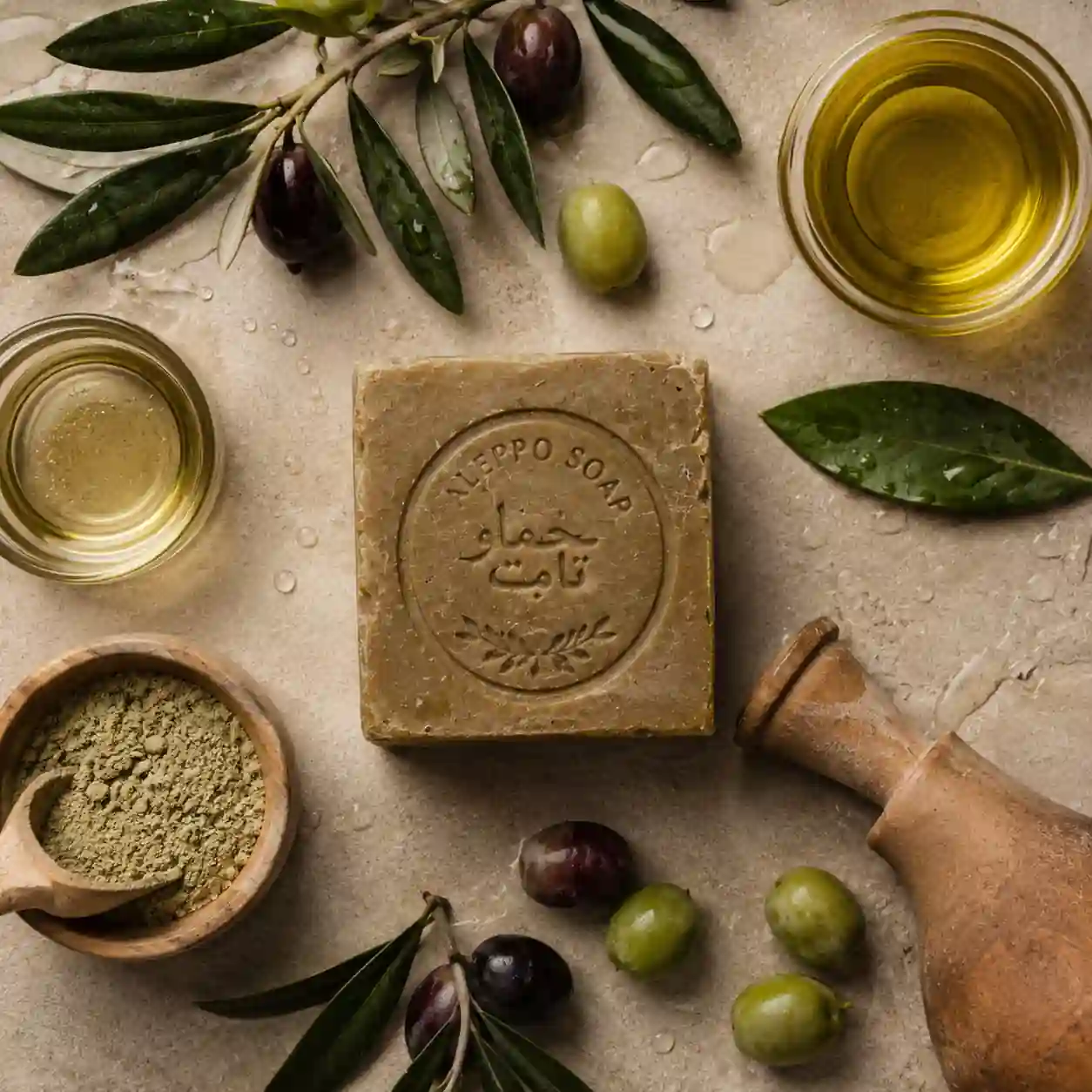
- Traditional Aleppo soap contains olive oil, laurel berry oil, water, and lye.
- It is valued for its simple ingredient list.
- Many people use it for sensitive, dry, or reactive skin.
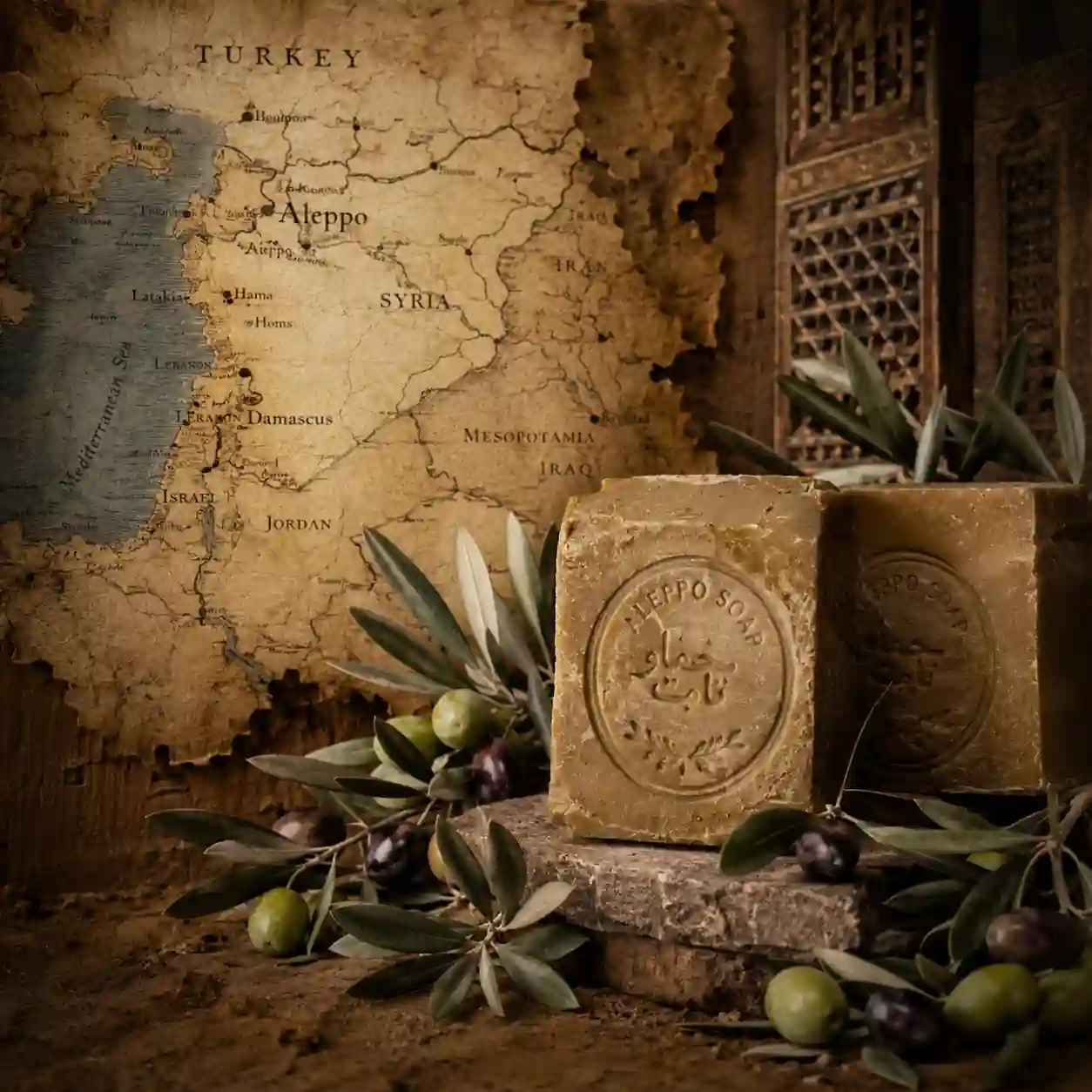
- Authentic Aleppo soap is traditionally produced in Syria.
- The soap undergoes a long curing process that can last several months.
- Different percentages of laurel berry oil affect the soap’s characteristics.
- Aleppo soap remains popular in modern wellness and natural skincare communities.
Table of Contents
- What Is Aleppo Soap From Syria?
- The History of Aleppo Soap
- The Story Behind Aleppo Soap
- How Traditional Aleppo Soap Is Made
- Ancient Soap Recipes and Modern Wellness
- Aleppo Soap Benefits Explained
- How Does Aleppo Soap Work?
- Who Should Use Aleppo Soap?
- Aleppo Soap vs Modern Soap
- Common Myths About Aleppo Soap
- Mistakes Beginners Make
- Frequently Asked Questions
- Conclusion
What Is Aleppo Soap From Syria?
Aleppo soap is a traditional hard soap made from olive oil and laurel berry oil using a centuries-old manufacturing process that originated in Aleppo, Syria.
Aleppo soap is widely recognized as one of the earliest forms of solid soap ever produced. Unlike many commercial soaps that contain synthetic detergents, preservatives, or artificial fragrances, traditional Aleppo soap relies on a small number of ingredients.
Traditional Ingredients
- Olive oil
- Laurel berry oil
- Water
- Lye (used during soap making)
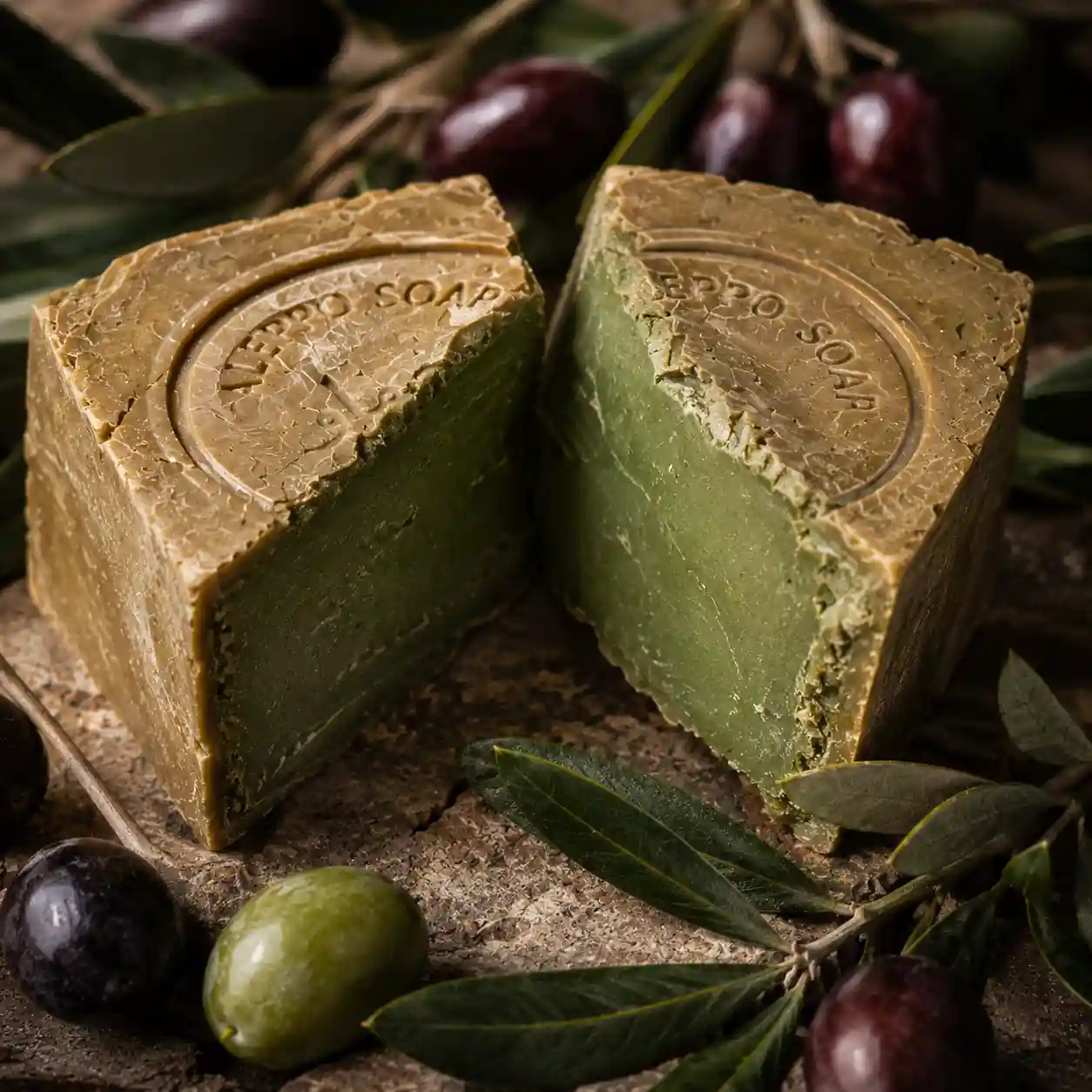
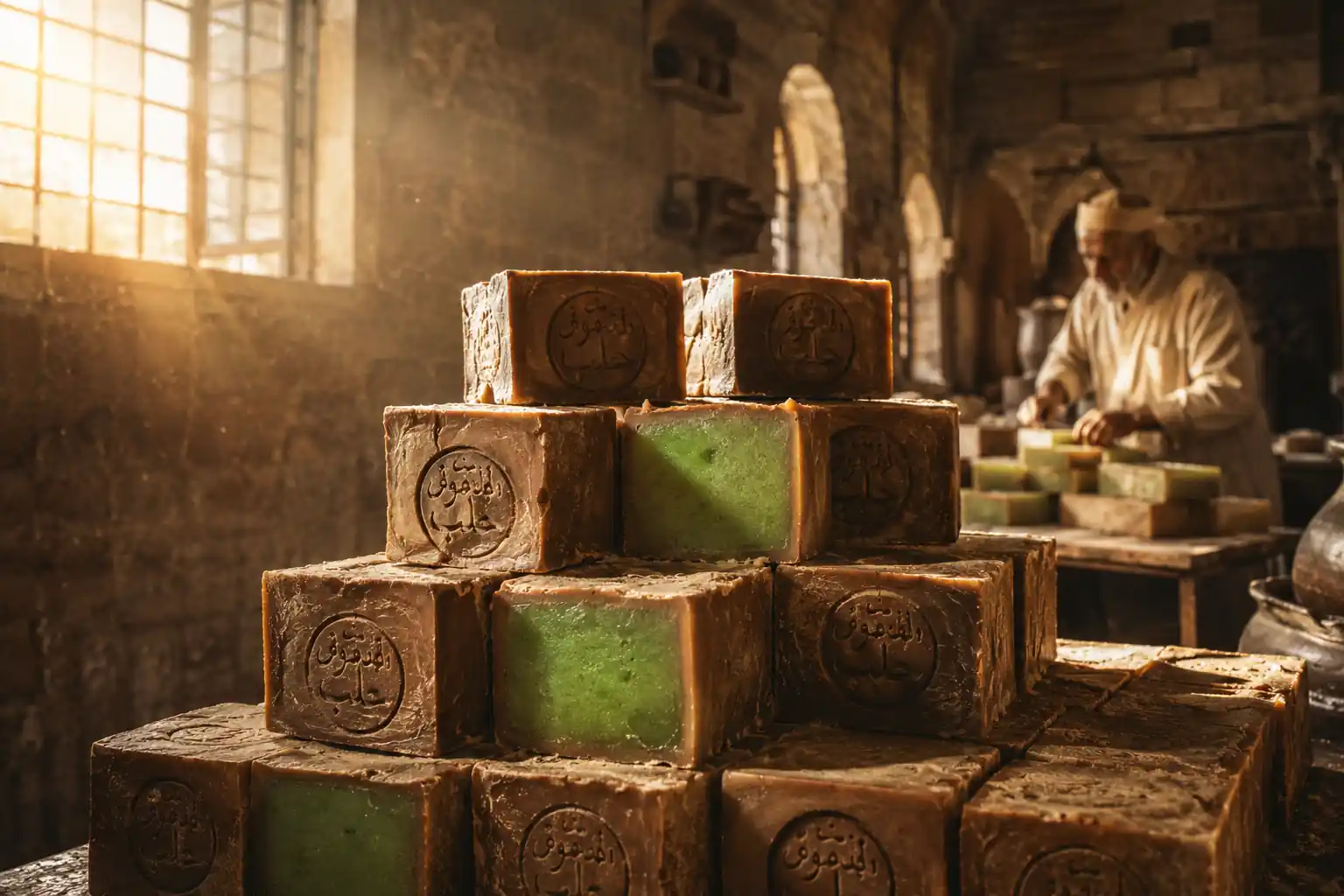
The result is a solid soap bar that develops a distinctive appearance:
- Brown exterior
- Green interior
- Firm texture
- Mild natural scent
Its simplicity is one reason it remains popular among natural skincare enthusiasts today.
The History of Aleppo Soap
The history of Aleppo soap dates back hundreds, and possibly thousands, of years to the ancient city of Aleppo in Syria, a major center of trade and craftsmanship.
Aleppo has long been an important crossroads connecting Europe, Asia, and the Middle East. This strategic location helped spread soap-making knowledge throughout the region and eventually into Europe.
Many historians believe traditional soap-making techniques developed in the Middle East significantly influenced later European soap production.
Historical Timeline
| Period | Development |
|---|---|
| Ancient Era | Early soap-making methods emerge |
| Medieval Period | Aleppo becomes a major soap-production center |
| Crusader Era | Soap-making knowledge spreads westward |
| Ottoman Period | Production expands further |
| Modern Era | Aleppo soap gains global recognition |
For generations, families in Aleppo passed down soap-making knowledge from one generation to the next.
The process became both a cultural tradition and an important economic activity.
The Story Behind Aleppo Soap
The story of Aleppo soap is not simply about skincare.
It is a story of craftsmanship, heritage, and resilience.
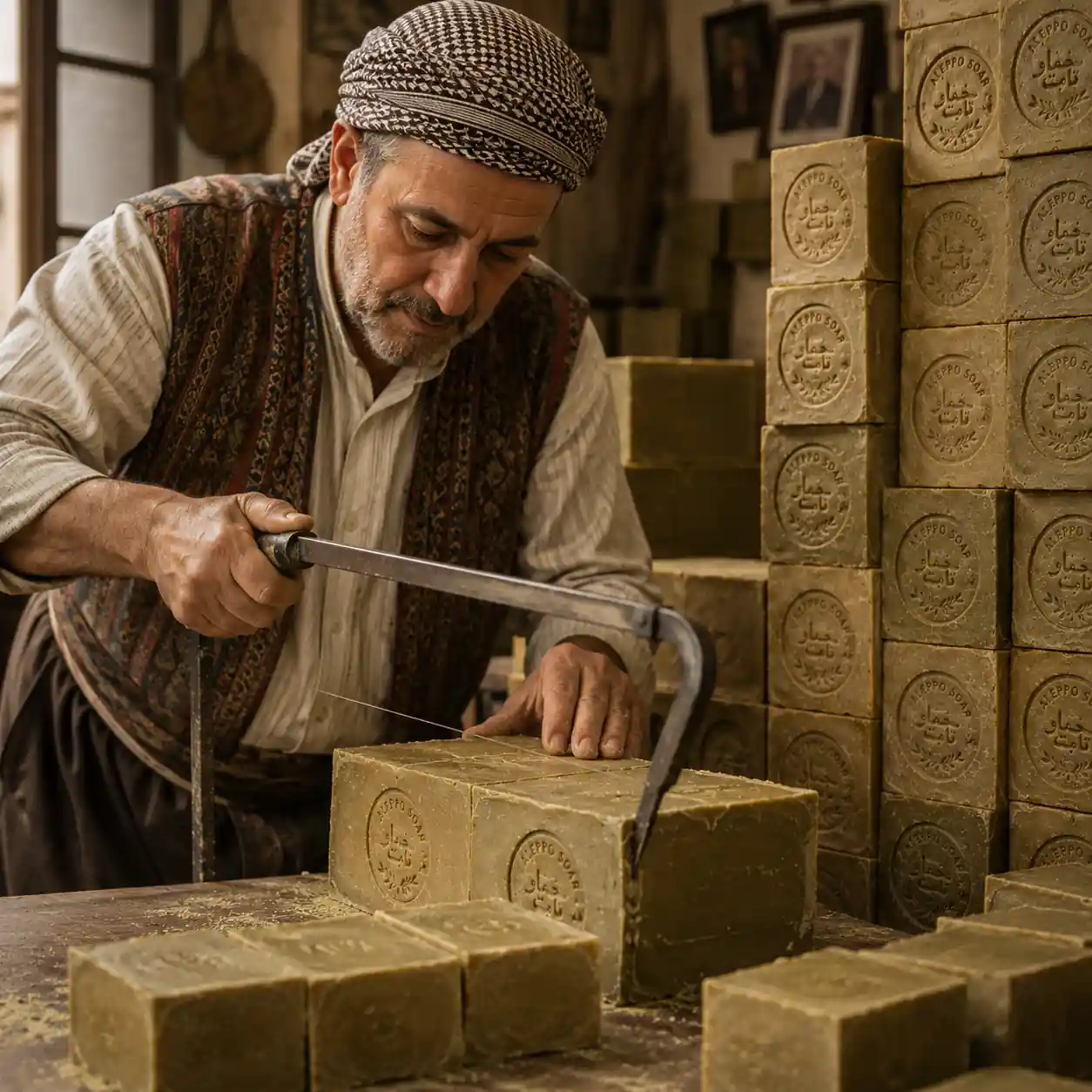
For centuries, artisans carefully produced soap during specific seasons using techniques refined over generations. Entire neighborhoods became known for their soap workshops and curing warehouses.
The traditional process remains remarkably similar today:
- Olive oil is heated.
- Natural ingredients are blended.
- Soap is poured onto large floors.
- Workers cut bars by hand.
- The bars are stacked in towers.
- The soap cures for months.
This commitment to traditional craftsmanship is part of what makes Aleppo soap unique in today’s mass-production world.
How Traditional Aleppo Soap Is Made
Traditional Aleppo soap is made by cooking olive oil with lye, adding laurel berry oil, pouring the mixture into large molds, cutting it into blocks, and curing it for several months.
Step 1: Preparing the Oils
Olive oil serves as the primary base.
Laurel berry oil provides additional properties and contributes to the soap’s signature identity.
Step 2: Cooking Process
The oils are slowly heated and mixed.
This initiates the saponification process, which transforms oils into soap.
Step 3: Pouring
The soap mixture is spread across large flat surfaces.
Workers carefully level the mixture before it begins to harden.
Step 4: Cutting
Once partially set, the soap is cut into individual bars.
Many traditional producers stamp each bar with their workshop mark.
Step 5: Curing
The bars are stacked in towers and allowed to age.
This curing process may last:
- 6 months
- 9 months
- 12 months or more
As the soap cures:
- The outer layer turns brown.
- The center remains green.
- The texture becomes firmer.
Ancient Soap Recipes and Modern Wellness
Ancient soap recipes focused on simple natural ingredients, and modern wellness trends have renewed interest in these traditional formulations.
Today’s consumers often seek:
- Fewer ingredients
- Natural formulations
- Sustainable products
- Minimalist skincare
Aleppo soap aligns closely with these preferences.
While modern skincare offers many advanced products, there is growing appreciation for traditional solutions that have remained relevant for centuries.
Why Ancient Recipes Still Matter
Ancient formulations often emphasize:
- Simplicity
- Durability
- Multi-purpose use
- Natural ingredients
These qualities continue to appeal to wellness-minded consumers seeking alternatives to heavily processed products.
Aleppo Soap Benefits Explained
Aleppo soap is valued for gentle cleansing, a simple ingredient profile, versatility, and suitability for many skincare routines.
1. Gentle Cleansing
Many users appreciate that Aleppo soap cleanses without relying on harsh detergents.
This makes it popular among people looking for a more minimalist cleansing option.
2. Simple Ingredient List
Modern products can contain dozens of ingredients.
Traditional Aleppo soap generally contains only a few.
This transparency appeals to ingredient-conscious consumers.
3. Multi-Purpose Use
Aleppo soap is often used for:
- Face cleansing
- Body washing
- Hand washing
- Shaving preparation
- Hair cleansing by some users
4. Long Shelf Life
Properly cured Aleppo soap is known for durability.
A single bar often lasts longer than many liquid cleansers.
5. Traditional Craftsmanship
Consumers increasingly value products connected to authentic traditions and artisan production methods.
Aleppo soap represents centuries of craftsmanship.
Looking to improve your wellness routine? Explore our related wellness guides and practical resources, including natural skincare routines, castile soap comparisons, aromatherapy basics, and home spa ideas.
How Does Aleppo Soap Work?
Aleppo soap works by combining the cleansing properties of saponified oils with the conditioning characteristics of olive oil and laurel berry oil.
When mixed with water, the soap helps remove:
- Dirt
- Excess oils
- Surface impurities
At the same time, its oil-based formulation distinguishes it from many synthetic cleansing products.
The exact experience may vary depending on:
- Skin type
- Laurel oil percentage
- Frequency of use
- Individual sensitivity
Who Should Use Aleppo Soap?
Aleppo soap may appeal to individuals seeking a traditional, minimalist cleansing product with a simple ingredient profile.
People who often choose Aleppo soap include:
- Natural skincare enthusiasts
- Minimalist beauty advocates
- Eco-conscious consumers
- Individuals seeking fragrance-free options
- Fans of traditional wellness products
Who Should Be Cautious?
Anyone with specific skin conditions or concerns should consider consulting a qualified healthcare professional before making major changes to a skincare routine.
Aleppo Soap vs Modern Soap
| Feature | Aleppo Soap | Many Commercial Soaps |
|---|---|---|
| Main Oils | Olive and Laurel | Varies |
| Fragrance | Usually Natural | Often Added |
| Ingredients | Minimal | Often Extensive |
| Production | Traditional | Industrial |
| Curing Time | Months | Often Faster |
| Heritage | Centuries Old | Modern |
Both options can serve different needs depending on personal preferences and skincare goals.
Common Myths About Aleppo Soap
Traditional products often attract myths and misconceptions. Aleppo soap is no exception.
Let’s separate fact from fiction.
Myth 1: Aleppo Soap Is a New Wellness Trend
Reality: Aleppo soap is one of the oldest known traditional soaps in the world.
While it has become popular again due to the natural skincare movement, its origins stretch back centuries.
Myth 2: More Laurel Oil Always Means Better Soap
Reality: Higher laurel berry oil percentages are not automatically better.
Different percentages simply create different characteristics.
Generally:
- Lower percentages emphasize olive oil.
- Higher percentages provide a stronger laurel oil presence.
- Personal preference often matters more than percentage alone.
Myth 3: Aleppo Soap Works the Same for Everyone
Reality: Every person’s skin is different.
Factors that influence results include:
- Skin type
- Climate
- Existing skincare routine
- Individual sensitivities
What works well for one person may not be ideal for another.
Myth 4: Authentic Aleppo Soap Must Be Bright Green
Reality: Authentic cured Aleppo soap is usually brown on the outside and green on the inside.
The brown exterior develops naturally during the curing process.
Myth 5: Natural Always Means Better
Reality: Natural ingredients can be beneficial, but “natural” does not guarantee suitability for every individual.
The best skincare product is one that matches your skin’s unique needs.
Myth 6: Aleppo Soap Never Expires
Reality: Properly cured bars have excellent longevity, but storage conditions still matter.
For best results:
- Store in a dry location.
- Keep away from standing water.
- Allow the bar to dry between uses.
Potential Drawbacks and Considerations about Aleppo soap
Aleppo soap is generally appreciated for its simplicity, but it may not be the perfect choice for every user or every skincare concern.
Potential considerations include:
- Adjustment period when switching from synthetic cleansers.
- Natural scent may not appeal to everyone.
- Some bars can be expensive due to traditional production methods.
- Quality varies between manufacturers.
- Counterfeit products exist in some markets.
Being informed helps consumers choose products more wisely.
How to Choose Authentic Aleppo Soap
Authentic Aleppo soap typically contains olive oil, laurel berry oil, water, and lye, with a traditional curing process and minimal additives.
1- Look for Simple Ingredients
A traditional ingredient list should remain short.
Avoid products containing numerous synthetic additives if you’re specifically seeking traditional Aleppo soap.
2- Check Laurel Berry Oil Percentage
Common percentages include:
- 5%
- 10%
- 20%
- 30%
- 40%
Manufacturers often clearly display this information.
3- Examine the Appearance
Traditional bars typically feature:
- Brown outer surface
- Green interior
- Firm texture
- Hand-cut appearance
Minor imperfections are often signs of traditional production rather than defects.
4- Research the Producer
Look for brands that provide:
- Ingredient transparency
- Production information
- Traditional manufacturing details
- Clear sourcing practices
How to Use Aleppo Soap
Use Aleppo soap much like any traditional soap bar by creating a lather with water and gently cleansing the skin before rinsing thoroughly.
For Face Cleansing
- Wet your face.
- Lather the soap in your hands.
- Apply gently.
- Rinse thoroughly.
- Follow with moisturizer if needed.
For Body Washing
- Wet the skin.
- Create a rich lather.
- Cleanse gently.
- Rinse completely.
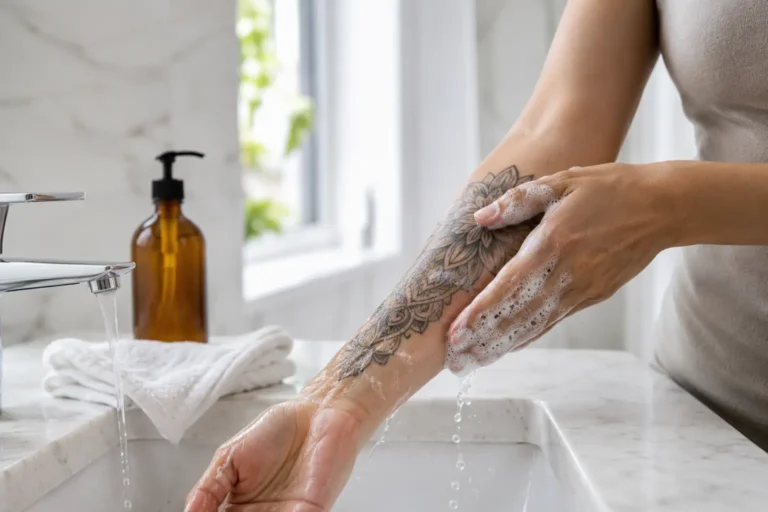
For Hand Washing
Aleppo soap can function as an everyday hand cleanser due to its versatility and long-lasting nature.
For Travel
Many travelers appreciate soap bars because they:
- Avoid liquid restrictions.
- Take up less space.
- Often last longer than travel-size cleansers.
What Research Says About Traditional Soap Formulations
Expert Perspective
Modern interest in traditional soaps reflects broader trends toward ingredient transparency and simplified skincare.
Research in skincare consistently highlights several principles:
- Gentle cleansing supports skin comfort.
- Excessively harsh cleansing may disrupt the skin barrier.
- Ingredient awareness helps consumers make informed choices.
- Simpler formulations can be beneficial for individuals seeking minimalist routines.
While specific experiences vary, many consumers value traditional soap formulations because they prioritize a limited number of recognizable ingredients.
Aleppo Soap in Modern Wellness Culture
Aleppo soap fits naturally into several current wellness trends.
A- Minimalist Skincare
Many people are reducing the number of products they use.
This approach is often called:
- Skin minimalism
- Simplified skincare
- Less-is-more beauty
Aleppo soap aligns well with these philosophies.
B- Sustainable Living
Soap bars often require:
- Less packaging
- Less plastic
- Less shipping weight
As sustainability becomes increasingly important, traditional soap bars continue gaining attention.
C- Slow Wellness
Slow wellness emphasizes:
- Intentional routines
- Traditional practices
- Quality over quantity
Aleppo soap represents these values through its centuries-old production methods and lengthy curing process.
Want more evidence-based wellness tips? Browse our growing collection of expert wellness articles covering natural skincare, aromatherapy, self-care rituals, healthy home environments, and practical wellness strategies.
Related Wellness Topics Worth Exploring
Readers interested in Aleppo soap often enjoy learning about related wellness subjects.
Consider exploring:
- Castile soap guide
- Natural soap ingredients explained
- Essential oils for sleep
- Home spa ideas
- Dry brushing benefits
- Sauna vs steam room
- Infrared sauna benefits
- Aromatherapy for relaxation
- Sustainable personal care products
- Minimalist skincare routines
These topics naturally complement a holistic wellness lifestyle.
Mistakes Beginners Make When Using Aleppo Soap
Most beginner mistakes involve unrealistic expectations, choosing the wrong formulation, or improper storage.
Common Mistakes
1- Choosing Based Only on Price
The cheapest option is not always the best value.
Quality ingredients and traditional production methods matter.
2- Ignoring Ingredient Labels
Always verify:
- Ingredient list
- Laurel oil percentage
- Country of origin
- Manufacturing details
3- Expecting Overnight Results
Skincare products generally require consistent use.
Patience is important when evaluating any new product.
4- Poor Storage Habits
Leaving soap in standing water can shorten its lifespan.
Instead:
- Use a draining soap dish.
- Allow drying between uses.
- Store in a cool, dry area.
5- Using Too Much Product
A little lather often goes a long way.
Overuse rarely improves results.
Frequently Asked Questions About Aleppo Soap From Syria
1. What is Aleppo soap made from?
Traditional Aleppo soap is made from olive oil, laurel berry oil, water, and lye. Its simple formulation is one of the reasons it remains popular among natural skincare enthusiasts.
2. Why is Aleppo soap famous?
Aleppo soap is famous because of its long history, traditional production methods, and minimalist ingredient profile. Many consider it one of the world’s oldest soaps.
3. Is Aleppo soap natural?
Traditional Aleppo soap is generally considered a natural soap because it relies primarily on plant-based oils and traditional soap-making techniques.
4. What does Aleppo soap smell like?
Most Aleppo soaps have a mild, earthy scent. The aroma comes naturally from the ingredients rather than synthetic fragrances.
5. How long does Aleppo soap last?
A properly cured bar can last a long time, especially when stored correctly and allowed to dry between uses.
6. Why is the outside brown and the inside green?
The outer surface oxidizes during curing, turning brown, while the interior retains its green color from the oils.
7. Can Aleppo soap be used daily?
Many people use Aleppo soap daily. However, skincare needs vary, so individuals should evaluate how their skin responds.
8. Is Aleppo soap eco-friendly?
Soap bars generally require less packaging than many liquid cleansers, making them attractive to environmentally conscious consumers.
9. Does Aleppo soap contain artificial fragrance?
Traditional formulations typically do not contain artificial fragrance. Always review ingredient labels to confirm.
10. What percentage of laurel oil should I choose?
The ideal percentage depends on personal preference and skincare goals. Many beginners start with moderate concentrations before exploring other options.
11. Can Aleppo soap replace body wash?
Many users replace liquid body wash with Aleppo soap because it is versatile and easy to use.
12. Can Aleppo soap replace facial cleanser?
Some individuals use Aleppo soap as part of a facial cleansing routine, though suitability varies based on skin type and personal preference.
13. Is authentic Aleppo soap still made in Syria?
Yes. Traditional Aleppo soap continues to be produced in Syria, although production methods and locations may vary among manufacturers.
14. Why is Aleppo soap aged?
The curing process helps develop the soap’s texture, durability, and final characteristics.
15. Is Aleppo soap suitable for minimalist skincare?
Yes. Many people include Aleppo soap in minimalist routines because it combines cleansing simplicity with a short ingredient list.
16. How can I identify authentic Aleppo soap?
Look for transparent ingredient lists, traditional production information, a cured appearance, and reputable manufacturers.
17. Does Aleppo soap contain preservatives?
Traditional formulations typically do not require synthetic preservatives due to their composition and curing process.
18. Why has Aleppo soap become popular again?
Growing interest in natural skincare, ingredient transparency, sustainability, and traditional wellness practices has contributed to its resurgence.
Final Thoughts on Aleppo Soap From Syria
Aleppo soap from Syria is more than a traditional cleanser—it’s a centuries-old symbol of craftsmanship, simplicity, and natural skincare. Made using time-honored methods and a handful of recognizable ingredients, it continues to appeal to people seeking a more mindful approach to personal care.
Whether you’re drawn to its rich history or its minimalist formula, Aleppo soap remains a timeless example of how ancient wellness traditions can still fit into modern life.
Discover More with H2O Blends
Join thousands of readers who use H2O Blends to discover wellness strategies, self-care ideas, aromatherapy insights, sauna guides, natural skincare education, and healthy lifestyle inspiration designed to help you create a more balanced and mindful everyday routine.