
Infrared Sauna vs Steam Sauna: Which Is Better for Wellness, Recovery, and Everyday Health?
Heat therapy has been used for centuries to support relaxation, recovery, and overall well-being. Today, one of the most common questions among wellness enthusiasts is: infrared sauna vs steam sauna—which is better?
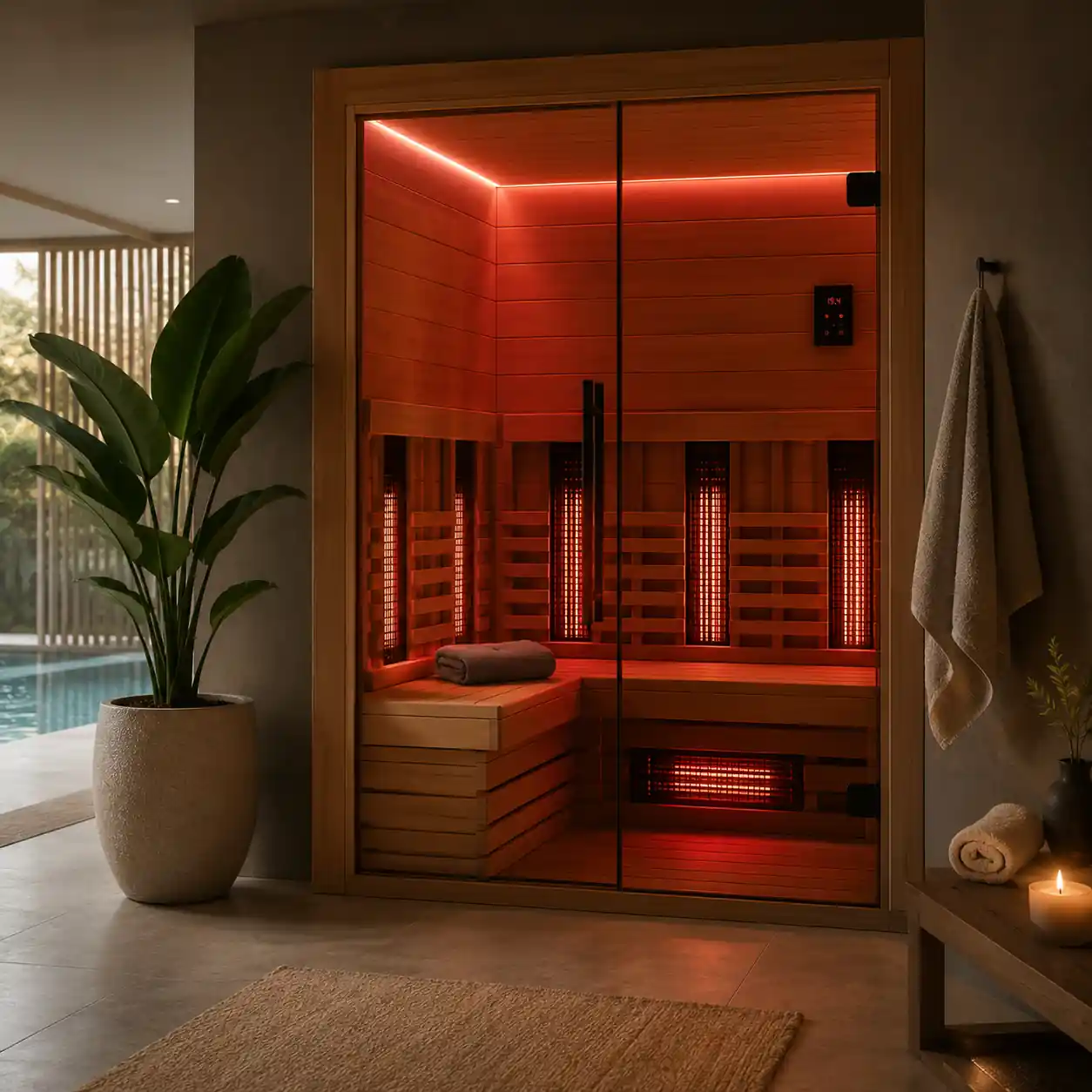
Both options offer unique benefits. A steam sauna surrounds the body with moist heat, while an infrared sauna uses infrared light to warm the body directly. Although both can help promote relaxation and comfort, the experience, temperature, and potential wellness benefits can feel very different.
If you’re trying to decide between an infrared sauna and a steam sauna, this guide will explain how each works, their advantages and disadvantages, who may benefit most, and how to incorporate heat therapy into a balanced wellness routine.
Quick Answer
Infrared sauna vs steam sauna: neither is universally better. Infrared saunas use lower temperatures and heat the body directly, making sessions more comfortable for many people. Steam saunas provide high humidity and moist heat that may feel beneficial for respiratory comfort and skin hydration. The best choice depends on your wellness goals, heat tolerance, and personal preferences.
Key Takeaways
- Infrared saunas heat the body directly using infrared energy.
- Steam saunas create a hot, humid environment using steam.
- Infrared sessions typically feel more comfortable due to lower air temperatures.
- Steam saunas provide intense humidity and a traditional sauna experience.
- Both can support relaxation and stress management.
- Heat therapy may help promote muscle comfort after exercise.
- Personal preference often determines the best option.
- Consistency matters more than choosing the “perfect” sauna type.
Table of Contents
- What Is an Infrared Sauna?
- What Is a Steam Sauna?
- Infrared Sauna vs Steam Sauna: Key Differences
- How Does Heat Therapy Work?
- Benefits of Infrared Sauna
- Benefits of Steam Sauna
- Infrared Sauna vs Steam Sauna Benefits Comparison
- Why Infrared Saunas Feel Different Than Traditional Saunas
- Sauna vs Steam Room: Understanding the Difference
- Building an Infrared Sauna Wellness Routine
- Risks and Safety Considerations
- Who Should Use Each Type?
- Common Myths About Infrared and Steam Saunas
- Mistakes Beginners Make
- Frequently Asked Questions
- Final Verdict
What Is an Infrared Sauna?
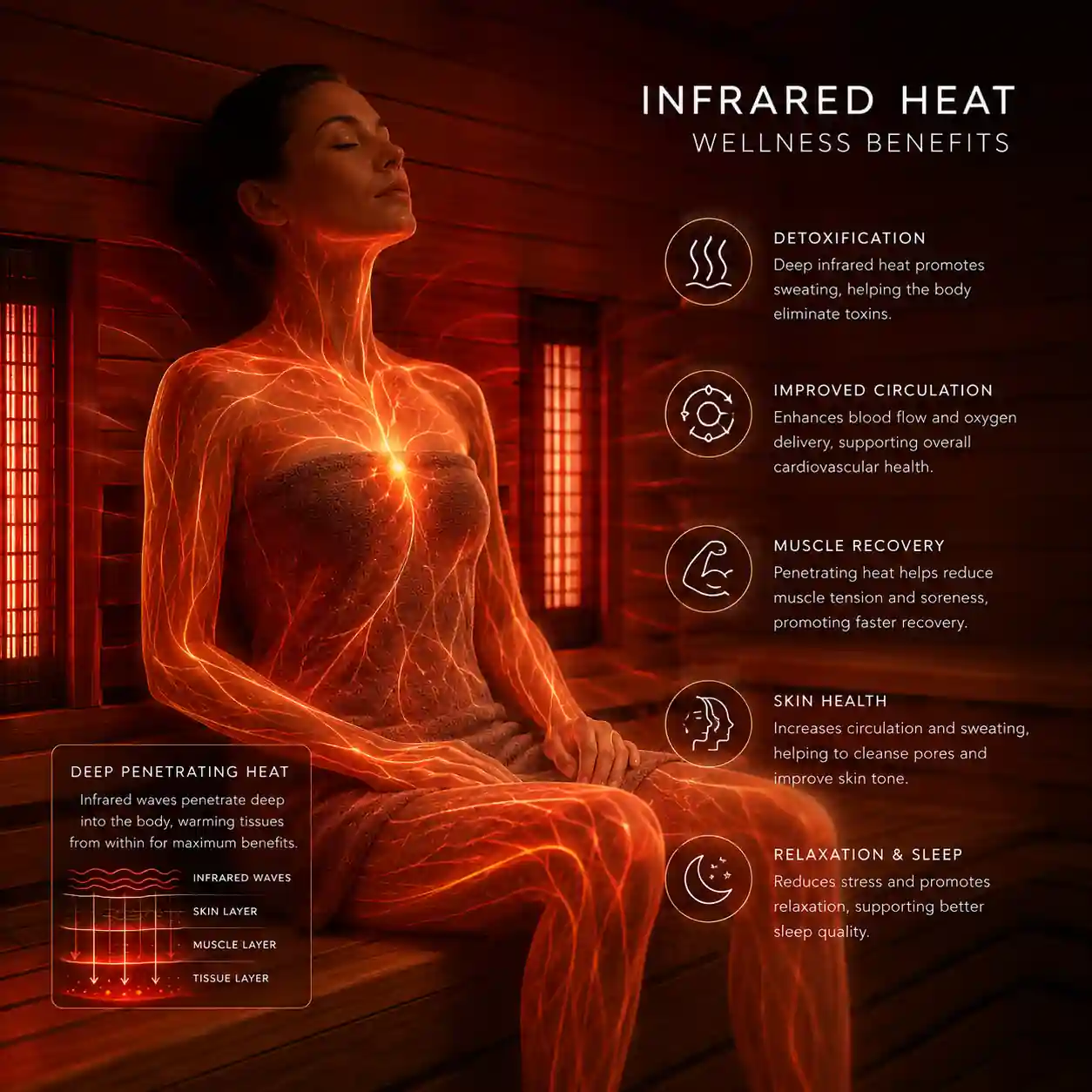
An infrared sauna is a sauna that uses infrared heaters to warm the body directly instead of heating the surrounding air.
Unlike traditional saunas, infrared units operate at lower temperatures, typically between 110°F and 150°F (43°C–66°C).
How Infrared Saunas Work
Infrared heaters emit wavelengths of energy that penetrate the skin and warm body tissues directly.
This creates a different sensation from conventional heat because:
- Air temperature remains lower.
- Heat feels more gradual.
- Many people tolerate longer sessions.
- Sweating often occurs without extreme room temperatures.
Types of Infrared Saunas
Near-Infrared
- Shorter wavelengths
- Often used in wellness-focused devices
Mid-Infrared
- Penetrates deeper into tissues
- Common in full-spectrum saunas
Far-Infrared
- Most common type
- Popular for home sauna installations
What Is a Steam Sauna?
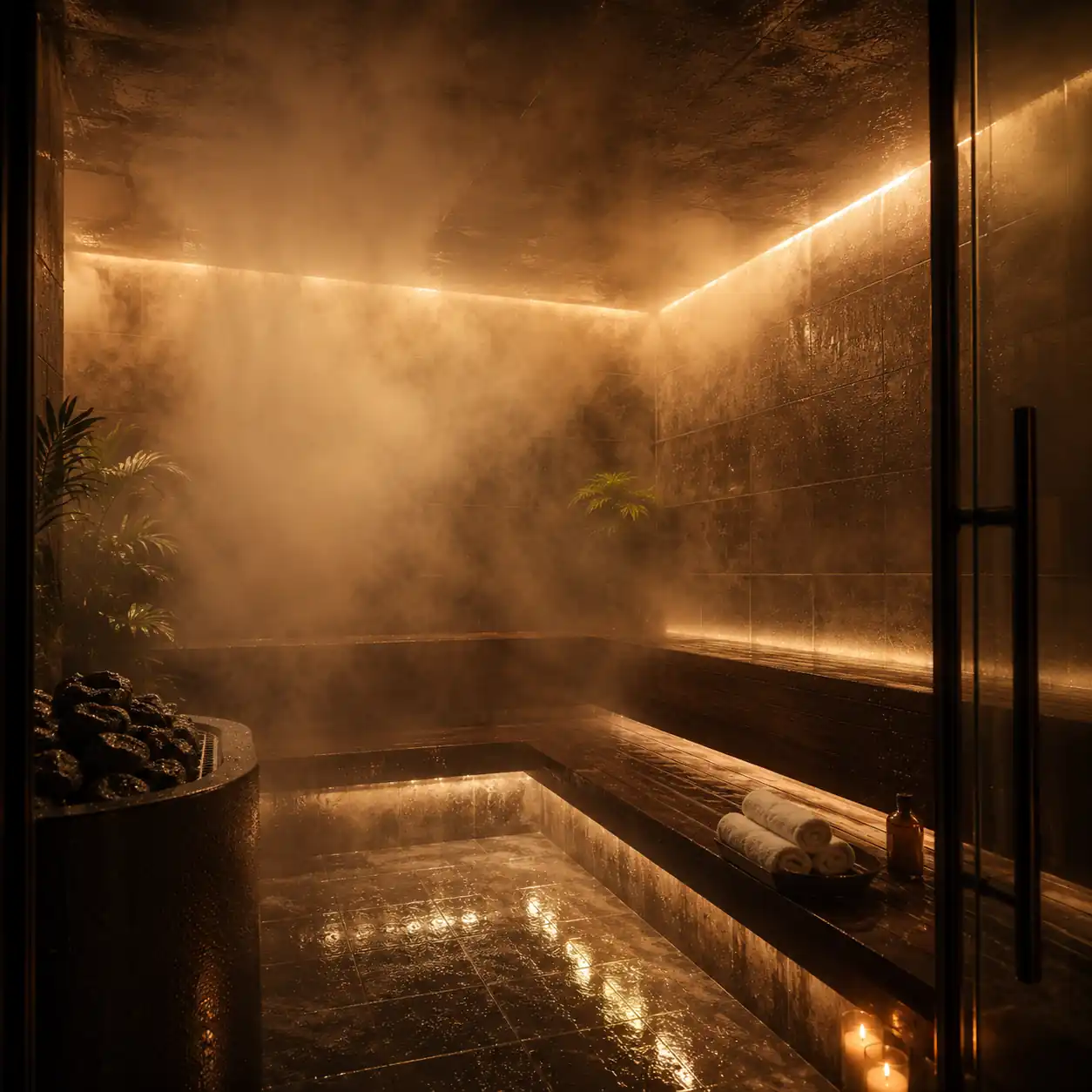
A steam sauna uses heated water to create hot, humid air that surrounds the body.
Steam environments typically reach humidity levels close to 100%, creating an entirely different experience from infrared heat.
How Steam Saunas Work
Water is heated and converted into steam, filling the room with moist heat.
Characteristics include:
- High humidity
- Warm air temperatures
- Dense steam atmosphere
- Traditional spa experience
Many people associate steam saunas with luxury spas, wellness centers, and health clubs.
Infrared Sauna vs Steam Sauna: Key Differences
Comparison Table
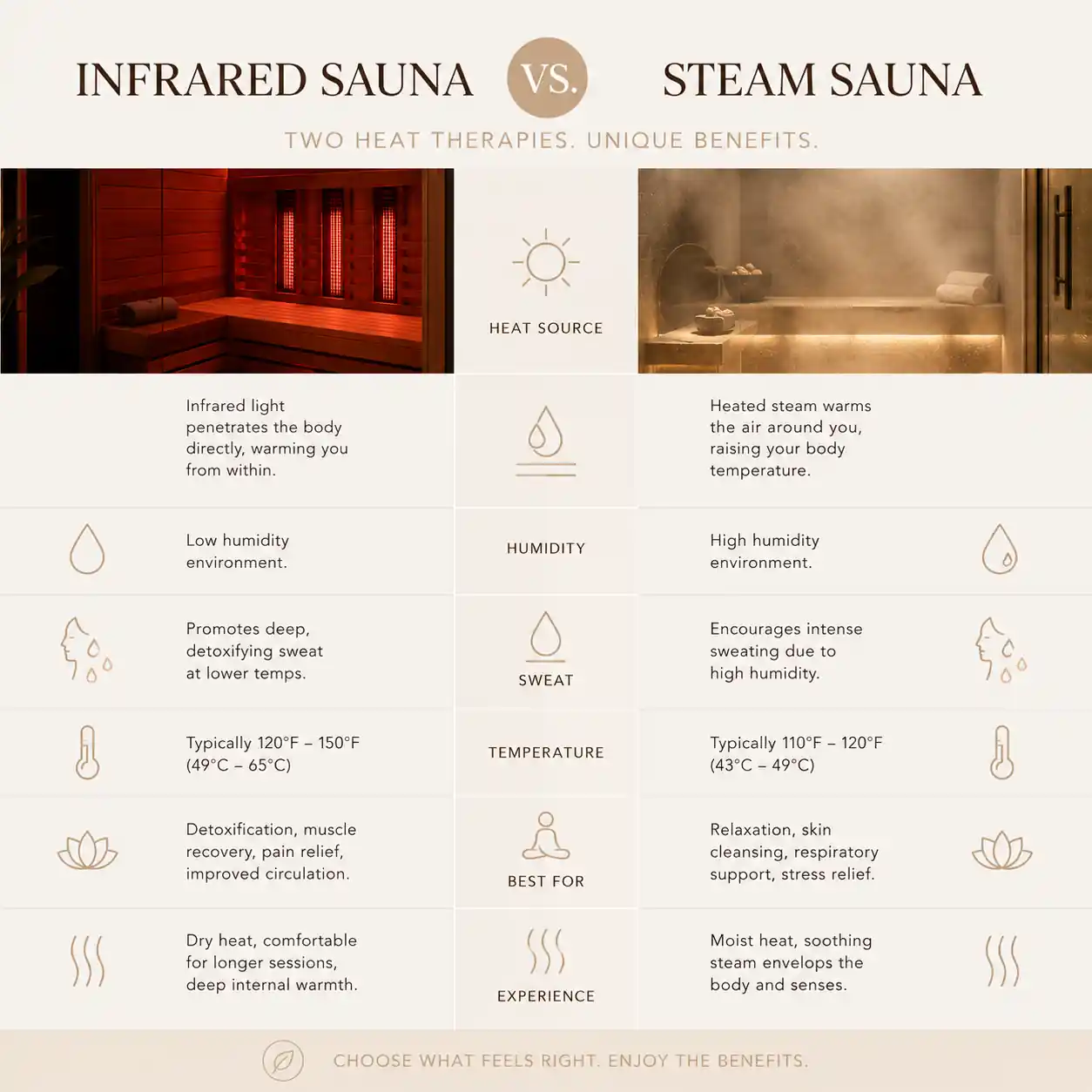
| Feature | Infrared Sauna | Steam Sauna |
|---|---|---|
| Heat Source | Infrared energy | Steam |
| Humidity | Very low | Extremely high |
| Typical Temperature | 110–150°F | 110–120°F |
| Heat Sensation | Direct body warming | Warm humid air |
| Sweat Production | High | High |
| Breathing Environment | Dry | Moist |
| Home Installation | Easier | More complex |
| Energy Usage | Generally lower | Often higher |
| Session Comfort | Comfortable for many users | Can feel intense |
Which Feels Hotter?
Although steam rooms often operate at lower temperatures than traditional saunas, the humidity can make them feel significantly hotter.
Infrared heat tends to feel gentler despite producing substantial sweating.

How Does Heat Therapy Work?
Heat therapy works by raising body temperature and encouraging physiological responses associated with relaxation and circulation.
When exposed to heat:
- Blood vessels expand.
- Circulation increases.
- Muscles relax.
- Sweating occurs.
- The body activates cooling mechanisms.
This process contributes to the calming and restorative sensation many people experience after sauna sessions.
Benefits of Infrared Sauna
1. Comfortable Heat Exposure
One major reason people choose infrared saunas is comfort.
Lower ambient temperatures make sessions easier for individuals who struggle with traditional sauna heat.
2. Supports Relaxation
Many users report feeling calm and relaxed after sessions.
Heat exposure can become part of a broader self-care routine that includes:
- Meditation
- Breathwork
- Stretching
- Aromatherapy
3. Convenient Home Use
Infrared saunas are often easier to install at home.
Benefits include:
- Lower operating temperatures
- Faster startup times
- Smaller footprint options
4. Wellness Routine Integration
Infrared sessions pair well with:
- Recovery days
- Evening relaxation
- Post-workout routines
- Stress-management practices
5. Modern Wellness Appeal
Infrared technology has become one of the biggest wellness trends in heat therapy because of its accessibility and user-friendly experience.
Looking to improve your wellness routine?
Explore related wellness resources such as:
- Infrared sauna benefits
- Essential oils for relaxation
- Home spa ideas
- Aromatherapy diffuser guides
- Heat therapy recovery techniques
Benefits of Steam Sauna
1. High-Humidity Environment
Steam rooms provide moist air that many people find soothing.
The humid environment creates a distinctly different experience from dry heat.
2. Traditional Spa Experience
For many wellness enthusiasts, nothing matches the classic feel of a steam room.
Benefits include:
- Luxurious atmosphere
- Deep relaxation
- Spa-like environment
3. Skin Hydration Support
The humid air may temporarily help skin feel softer and more hydrated.
Many spa users enjoy combining steam sessions with skincare routines.
4. Respiratory Comfort
The moist environment may feel comforting during periods of dry air exposure.
Many people enjoy steam sessions during colder months when indoor air tends to become dry.
5. Post-Workout Relaxation
Athletes and active individuals frequently use steam rooms after exercise to unwind and relax.
Infrared Sauna vs Steam Sauna Benefits
For Relaxation
Winner: Tie
Both provide powerful relaxation experiences.
For Heat Comfort
Winner: Infrared Sauna
Lower temperatures make infrared sessions more tolerable for many users.
For Humidity
Winner: Steam Sauna
Steam rooms offer unmatched moisture levels.
For Home Installation
Winner: Infrared Sauna
Generally easier and less expensive to install.
For Traditional Sauna Experience
Winner: Steam Sauna
Steam provides the classic wellness-spa atmosphere.
For Daily Use
Winner: Infrared Sauna
Many people find infrared heat easier to incorporate consistently.
Why Infrared Saunas Feel Different Than Traditional Saunas
Infrared saunas feel different because they warm the body directly instead of heating the surrounding air first.
This creates:
- Less oppressive heat
- Lower room temperatures
- More comfortable breathing
- Longer session tolerance
Many first-time users expect infrared sessions to feel less effective because the air isn’t extremely hot. However, sweating often occurs gradually as the body absorbs infrared energy.
This unique sensation explains why infrared sauna popularity has grown rapidly within modern wellness communities.
Sauna vs Steam Room: Which Is Better?
The better option depends entirely on personal goals and preferences.
Choose a sauna if you prefer:
- Dry heat
- Longer sessions
- Traditional wellness practices
Choose a steam room if you prefer:
- Moist heat
- High humidity
- Spa-like experiences
Choose an infrared sauna if you prefer:
- Lower temperatures
- Home convenience
- Comfortable heat exposure
The best solution may actually be using both when available.
Infrared Sauna Wellness Routine
Creating a sustainable wellness routine matters more than occasional intense sessions.
Beginner Routine
2–3 Times Per Week
- Session length: 10–20 minutes
- Hydrate before and after
- Rest afterward
Add Complementary Practices
- Stretching
- Journaling
- Meditation
- Reading
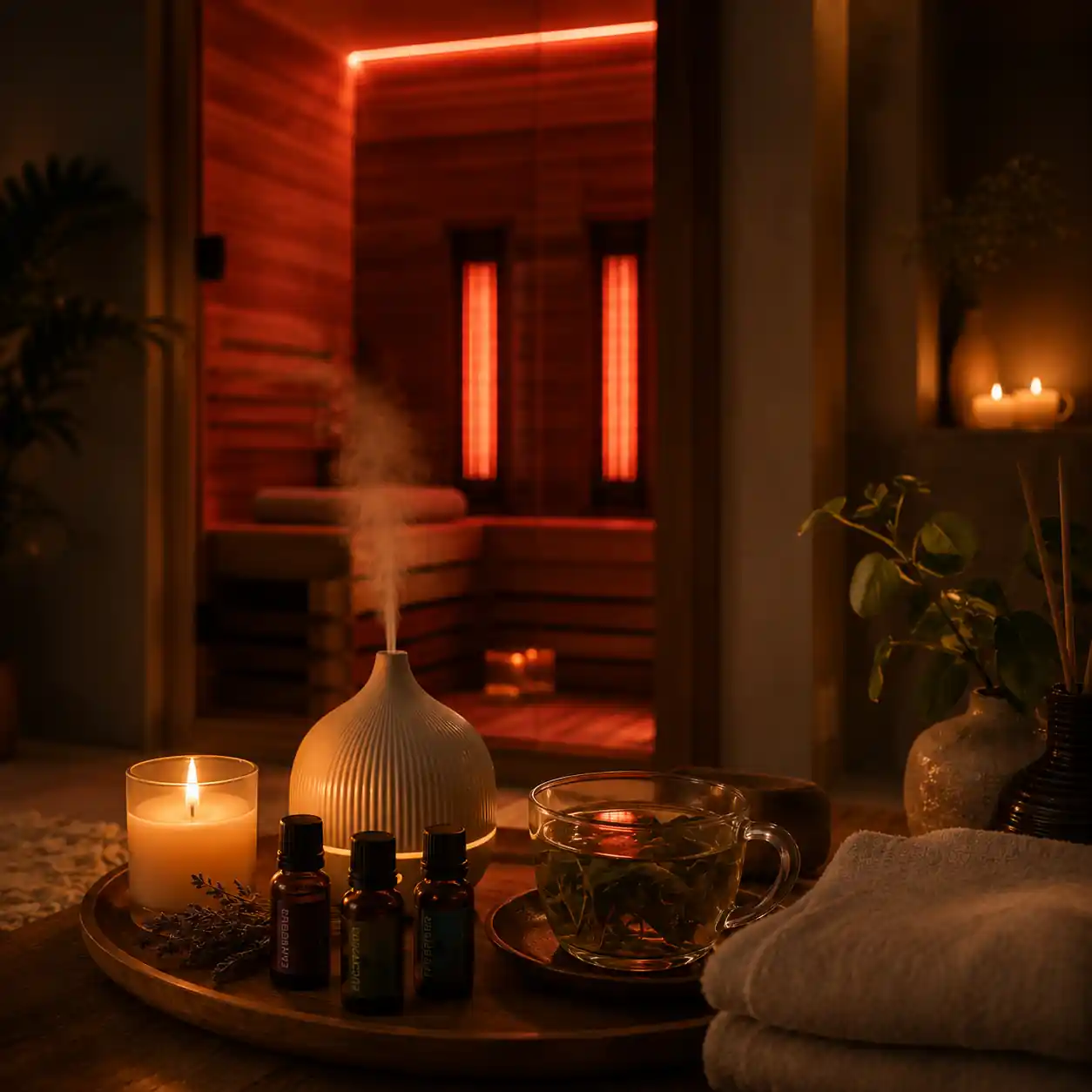
- Aromatherapy
Intermediate Routine
3–5 Times Weekly
- 20–30 minute sessions
- Post-workout recovery
- Evening relaxation
Advanced Wellness Routine
Consistent Weekly Schedule
- Structured recovery days
- Sauna sessions after exercise
- Mindfulness practices
- Sleep-support routines
Consistency typically produces the most enjoyable long-term experience.
Wellness Trends in Heat Therapy
Heat therapy continues to gain popularity as people seek practical wellness habits.
Current trends include:
- Home infrared saunas
- Portable infrared devices
- Recovery-focused wellness routines
- Biohacking communities
- Spa-inspired self-care practices
- Heat and cold contrast therapy
These trends reflect growing interest in proactive wellness strategies rather than reactive approaches.
Risks of Infrared Sauna and Steam Sauna
Both sauna types are generally well tolerated by healthy adults when used responsibly, but certain precautions are important.
Potential Risks
- Dehydration
- Dizziness
- Overheating
- Discomfort from prolonged exposure
Safety Tips
- Drink water before and after sessions.
- Start with shorter durations.
- Exit immediately if feeling unwell.
- Avoid excessive alcohol consumption beforehand.
- Follow manufacturer guidelines.
When to Seek Medical Advice
Individuals with medical conditions, cardiovascular concerns, pregnancy, or other health considerations should consult a qualified healthcare professional before beginning regular sauna use.
Who Should Use Each Type?
Infrared Sauna May Appeal To:
- Beginners
- Home wellness users
- People sensitive to intense heat
- Individuals seeking convenient routines
Steam Sauna May Appeal To:
- Spa enthusiasts
- Traditional sauna users
- People who enjoy humid environments
- Those seeking a luxury wellness experience
Common Myths About Infrared Sauna vs Steam Sauna
Myth 1: Infrared Saunas Don’t Get Hot
Reality: They absolutely generate significant heat, just in a different way.
Myth 2: Steam Rooms Are Always Better
Reality: Benefits depend on personal preference and goals.
Myth 3: More Sweat Means Better Results
Reality: Sweat volume does not necessarily indicate greater wellness benefits.
Myth 4: Longer Sessions Are Always Better
Reality: Excessive heat exposure may increase discomfort and dehydration risk.
Myth 5: Infrared and Steam Produce Identical Experiences
Reality: They feel dramatically different due to humidity and heat delivery.
Myth 6: Beginners Should Start With Long Sessions
Reality: Gradual exposure is generally more comfortable.
Myth 7: Daily Sauna Use Is Required
Reality: Many people enjoy benefits with just a few weekly sessions.
Myth 8: Steam Rooms Are Outdated
Reality: Steam remains one of the most popular spa experiences worldwide.
Mistakes Beginners Make
Avoid these common errors:
- Staying too long during first sessions
- Ignoring hydration
- Expecting instant results
- Using heat therapy inconsistently
- Comparing sweat output with others
- Skipping cool-down time
- Entering sessions already dehydrated
- Assuming hotter is always better
Want more evidence-based wellness tips?
Browse our growing collection of expert wellness articles covering recovery, self-care, aromatherapy, healthy lifestyle habits, sauna practices, and wellness trends.
Frequently Asked Questions
Is infrared sauna better than steam sauna?
Neither is universally better. Infrared saunas offer direct heat at lower temperatures, while steam saunas provide moist heat and high humidity. The best choice depends on your preferences, comfort level, and wellness goals.
What is the biggest difference between infrared sauna and steam sauna?
The main difference is how heat is delivered. Infrared saunas warm the body directly, while steam saunas heat the surrounding air and create humidity.
Which sauna makes you sweat more?
Both can produce significant sweating. Steam rooms often create immediate sweating due to humidity, while infrared sessions may produce gradual but substantial sweating over time.
Is infrared heat easier to tolerate?
Many people find infrared heat easier to tolerate because room temperatures are lower and breathing feels more comfortable.
Are steam saunas good for relaxation?
Yes. Steam saunas are widely used for relaxation and are often found in wellness centers and luxury spas.
Can I use an infrared sauna every day?
Many healthy adults use infrared saunas regularly. However, individual tolerance varies, and moderation is important.
Which sauna is better for beginners?
Infrared saunas are often recommended for beginners because the temperatures feel less intense.
Do steam rooms feel hotter than infrared saunas?
Often yes. High humidity can make steam rooms feel significantly hotter even when temperatures are lower.
Are infrared saunas popular?
Yes. Infrared saunas have become one of the fastest-growing wellness trends in recent years.
Which option is easier to install at home?
Infrared saunas are generally easier and more affordable for home installation.
Can heat therapy support recovery routines?
Many active individuals include heat therapy in recovery-focused wellness plans because it promotes relaxation and post-exercise comfort.
What should I wear in a sauna?
Lightweight, breathable clothing or towels are common. Follow facility guidelines when using public saunas.
How long should a sauna session last?
Beginners often start with 10–15 minutes and gradually increase as tolerated.
Should I drink water after a sauna session?
Yes. Hydration is important before and after both infrared and steam sessions.
Can I combine aromatherapy with sauna use?
Many wellness enthusiasts pair heat therapy with aromatherapy, meditation, or relaxation practices. Always use products according to safety guidelines.
Does humidity affect the sauna experience?
Absolutely. Humidity dramatically changes how heat feels, which is why steam rooms and infrared saunas provide very different experiences.
Which sauna is better for everyday wellness?
Many people prefer infrared saunas for everyday use because sessions feel comfortable and fit easily into home wellness routines.
Can I alternate between steam and infrared sessions?
Yes. Many spa facilities offer multiple heat therapy options, allowing users to enjoy both experiences.

Final Verdict: Infrared Sauna vs Steam Sauna
When comparing infrared sauna vs steam sauna, there is no single winner. Both offer unique advantages and can play valuable roles in a balanced wellness routine.
Choose an infrared sauna if you want comfortable heat, home convenience, and a modern approach to heat therapy. Choose a steam sauna if you enjoy high humidity, traditional spa experiences, and moist heat.
The most important factor is consistency. Whether you prefer infrared heat or steam, regular sessions combined with hydration, movement, stress management, and healthy lifestyle habits can help create a more enjoyable wellness routine.
Discover More Wellness Inspiration with H2O Blends
Join thousands of readers who use H2O Blends to explore wellness strategies, self-care ideas, aromatherapy insights, sauna guides, healthy lifestyle inspiration, essential oil education, recovery practices, and evidence-based wellness resources designed to help you feel your best every day.