Best Essential Oils for Diffuser: Top Essential Oils for Relaxation, Sleep & Wellness
Essential oils can transform a diffuser into a powerful wellness tool. The best essential oils for diffuser use depend on your goal—lavender promotes relaxation, eucalyptus supports easier breathing, peppermint boosts alertness, and citrus oils create an uplifting atmosphere. Choosing high-quality oils and using them correctly can enhance mood, comfort, and overall well-being.
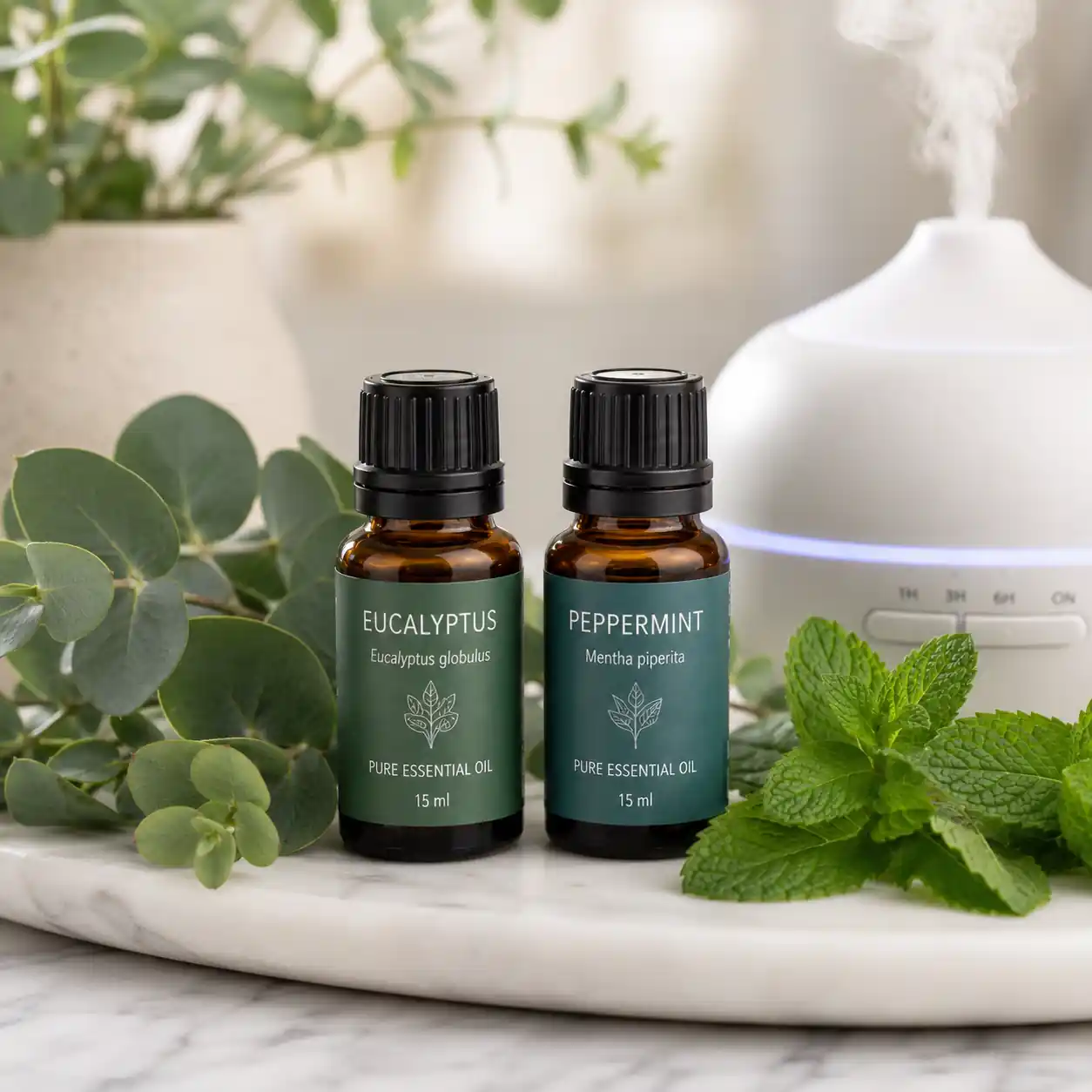
Finding the best essential oils for diffuser use can help transform your home, office, or wellness space with natural aromas that support relaxation, focus, sleep, or everyday comfort. Whether you’re searching for essential oils for relaxation diffuser blends or looking for energizing scents, choosing the right oil is key to creating the atmosphere you want.
In this guide, you’ll discover the top essential oils for diffusers, their benefits, how to use them effectively, and what to look for before buying. Keep reading to find the perfect oils for relaxation, wellness, and a more enjoyable aromatherapy experience.
What are the best essential oils for diffuser use?
| Purpose | Best Essential Oils |
|---|---|
| Relaxation | Lavender, Chamomile, Ylang-Ylang |
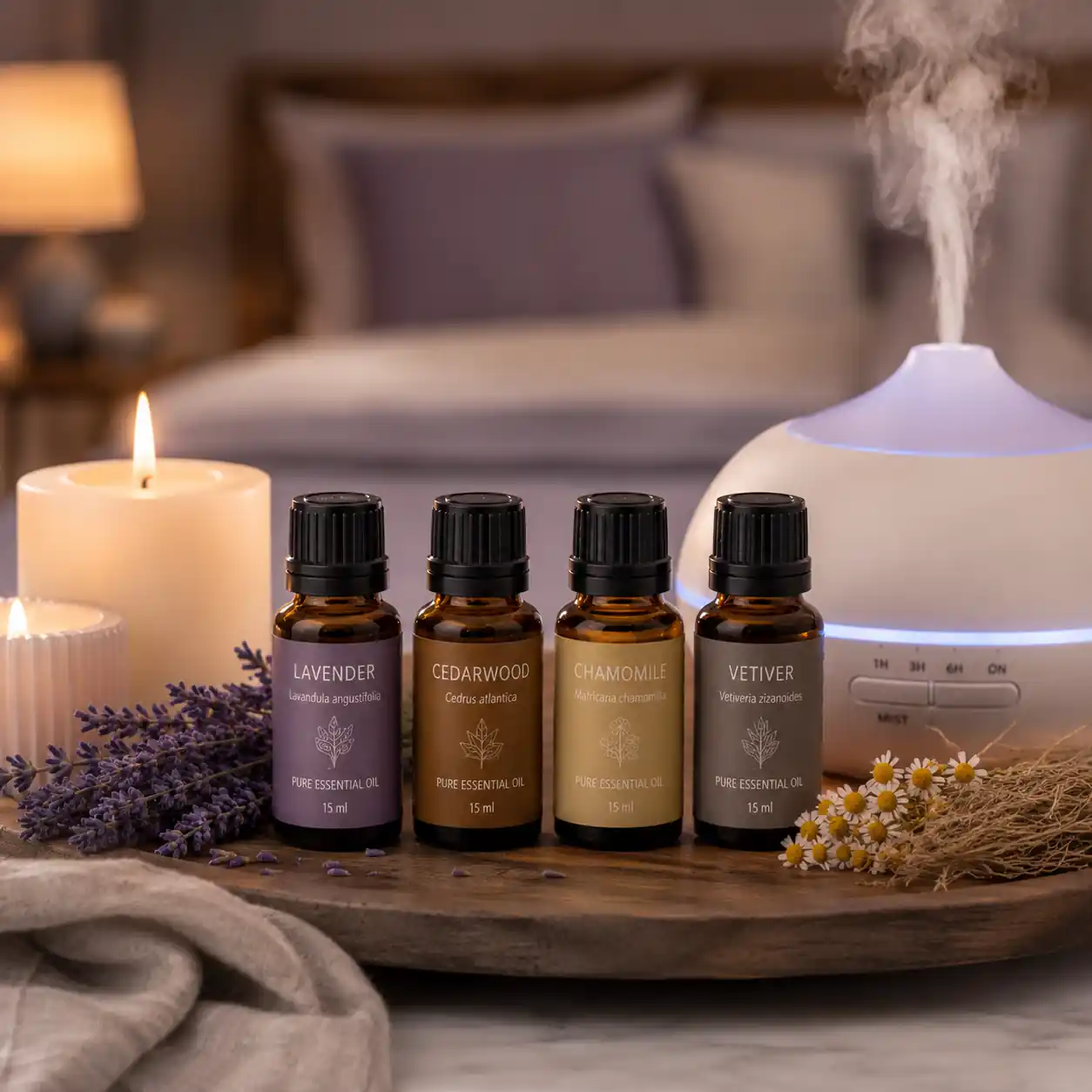
| Sleep | Lavender, Cedarwood, Vetiver |
| Stress Relief | Bergamot, Frankincense, Clary Sage |
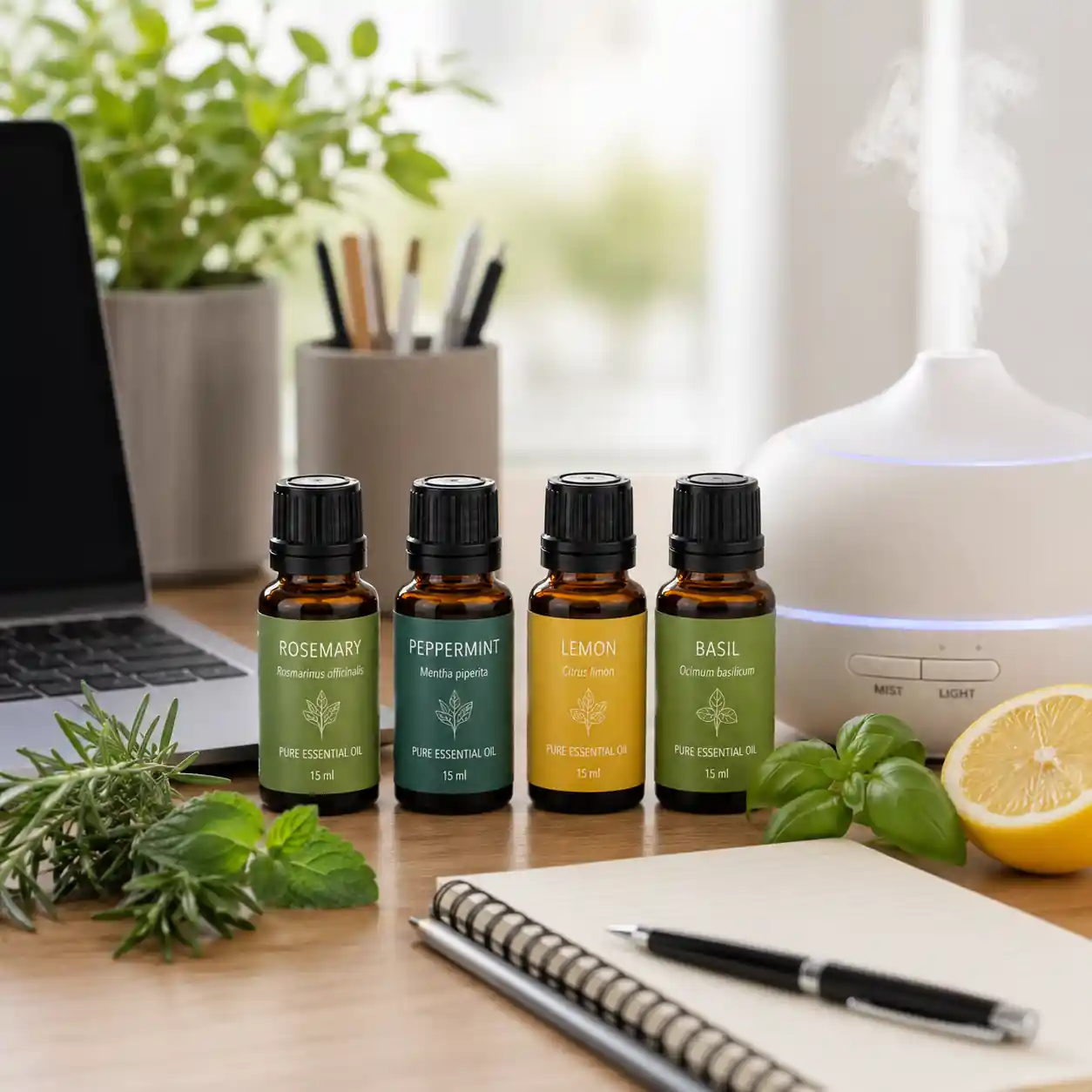
| Focus | Rosemary, Peppermint, Lemon |
| Energy | Orange, Grapefruit, Peppermint |
| Respiratory Support | Eucalyptus, Tea Tree, Pine |
| Mood Enhancement | Sweet Orange, Lemon, Bergamot |
For most users, lavender remains the top choice for relaxation and general wellness, while eucalyptus and peppermint are among the most versatile oils for daily diffuser use.
What Are Essential Oils for Diffusers?
Essential oils are concentrated aromatic compounds extracted from plants, flowers, leaves, bark, roots, seeds, or fruits.
When used in a diffuser, these oils are dispersed into the surrounding air as fine particles or mist, allowing people to enjoy their aroma throughout a room.
Definition
Essential oils for diffusers are natural plant extracts designed to be dispersed into the air through a diffusion device to create a desired aromatic environment.
Popular diffuser-compatible oils include:
- Lavender
- Peppermint
- Eucalyptus
- Lemon
- Bergamot
- Cedarwood
- Frankincense
- Tea Tree
- Rosemary
- Sweet Orange
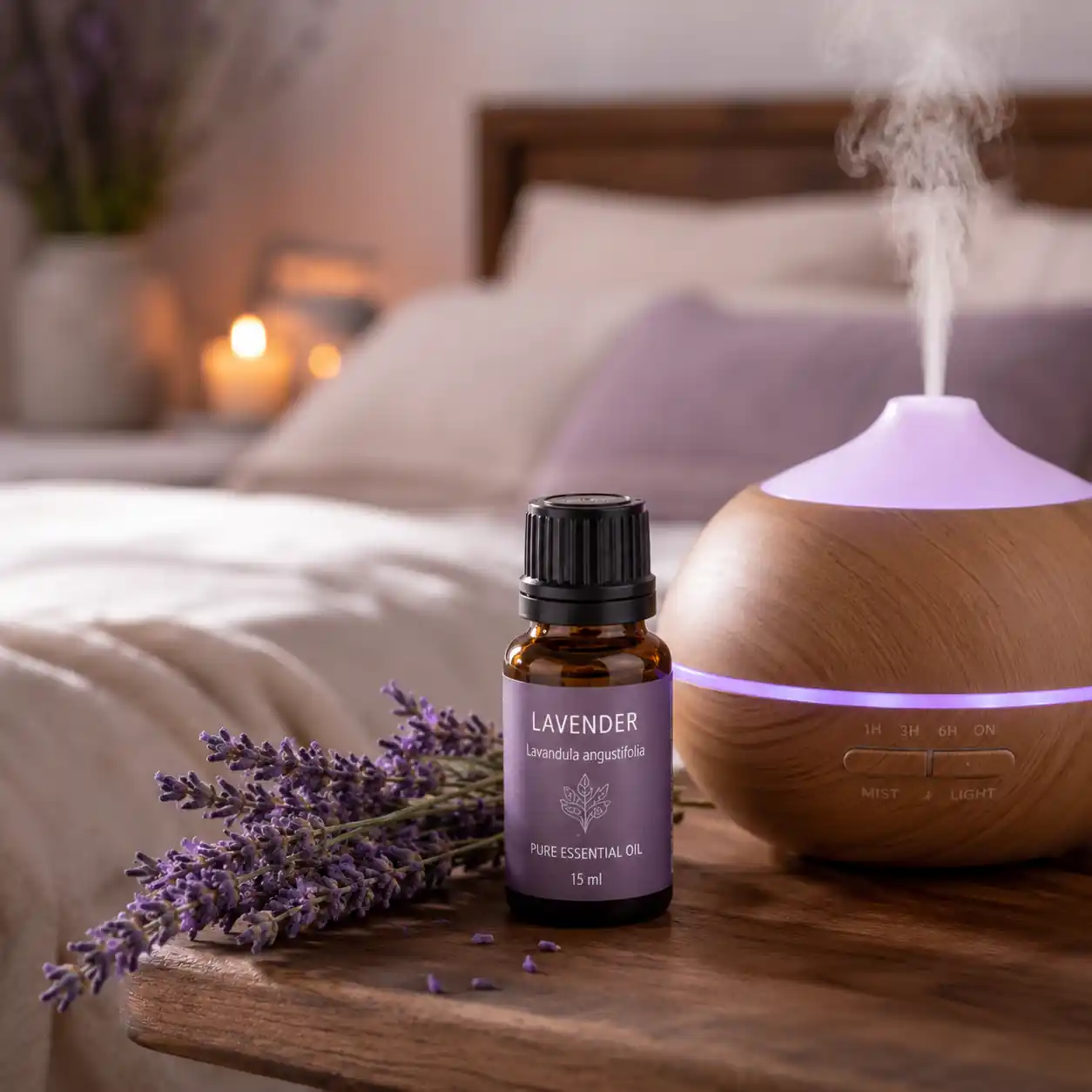
How Essential Oils Work in a Diffuser
Diffusers release essential oil molecules into the air, where they can be inhaled naturally.
The aromatic compounds interact with the olfactory system—the body’s sense of smell—which is closely connected to areas of the brain involved in emotion, memory, and mood.
Basic Process
- Add water to the diffuser reservoir.
- Add several drops of essential oil.
- Turn on the diffuser.
- The device disperses aromatic particles into the air.
- The room fills with the chosen scent.
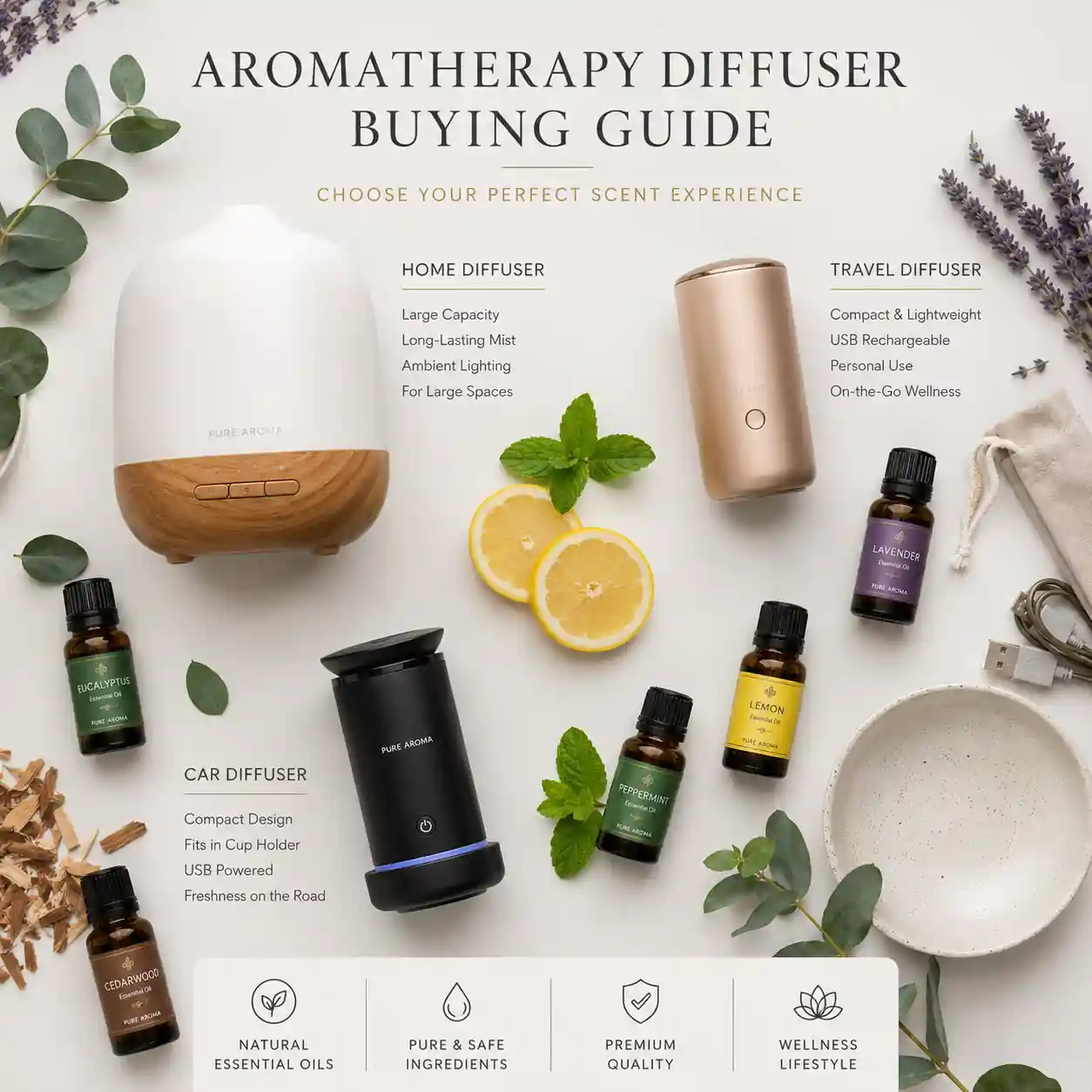
Types of Diffusers
| Diffuser Type | How It Works | Best For |
|---|---|---|
| Ultrasonic | Water and vibration create mist | Most households |
| Nebulizing | Uses pure oil without water | Strong aroma |
| Evaporative | Airflow evaporates oil | Small rooms |
| Heat Diffuser | Uses gentle heat | Casual use |
Ultrasonic diffusers remain the most popular option because they are affordable, easy to use, and suitable for most essential oils.
Benefits of Essential Oils for Diffuser Use
Many people use diffusers simply because they enjoy pleasant natural aromas. However, specific oils can help create environments associated with relaxation, focus, comfort, or rejuvenation.
1. Creates a Relaxing Atmosphere
Relaxing scents can help transform a room into a spa-like environment.
Popular relaxation oils include:
- Lavender
- Chamomile
- Cedarwood
- Ylang-Ylang
2. Supports Better Sleep Routines
Diffusing calming scents before bedtime can become part of a healthy sleep ritual.
Common sleep oils:
- Lavender
- Vetiver
- Cedarwood
- Roman Chamomile
3. Helps Reduce Everyday Stress
Many users choose calming diffuser blends during busy workdays or after long evenings.
Top stress-relief oils:
- Bergamot
- Frankincense
- Clary Sage
- Lavender
4. Freshens Indoor Spaces
Diffusers can provide a natural alternative to synthetic air fresheners.
Refreshing oils include:
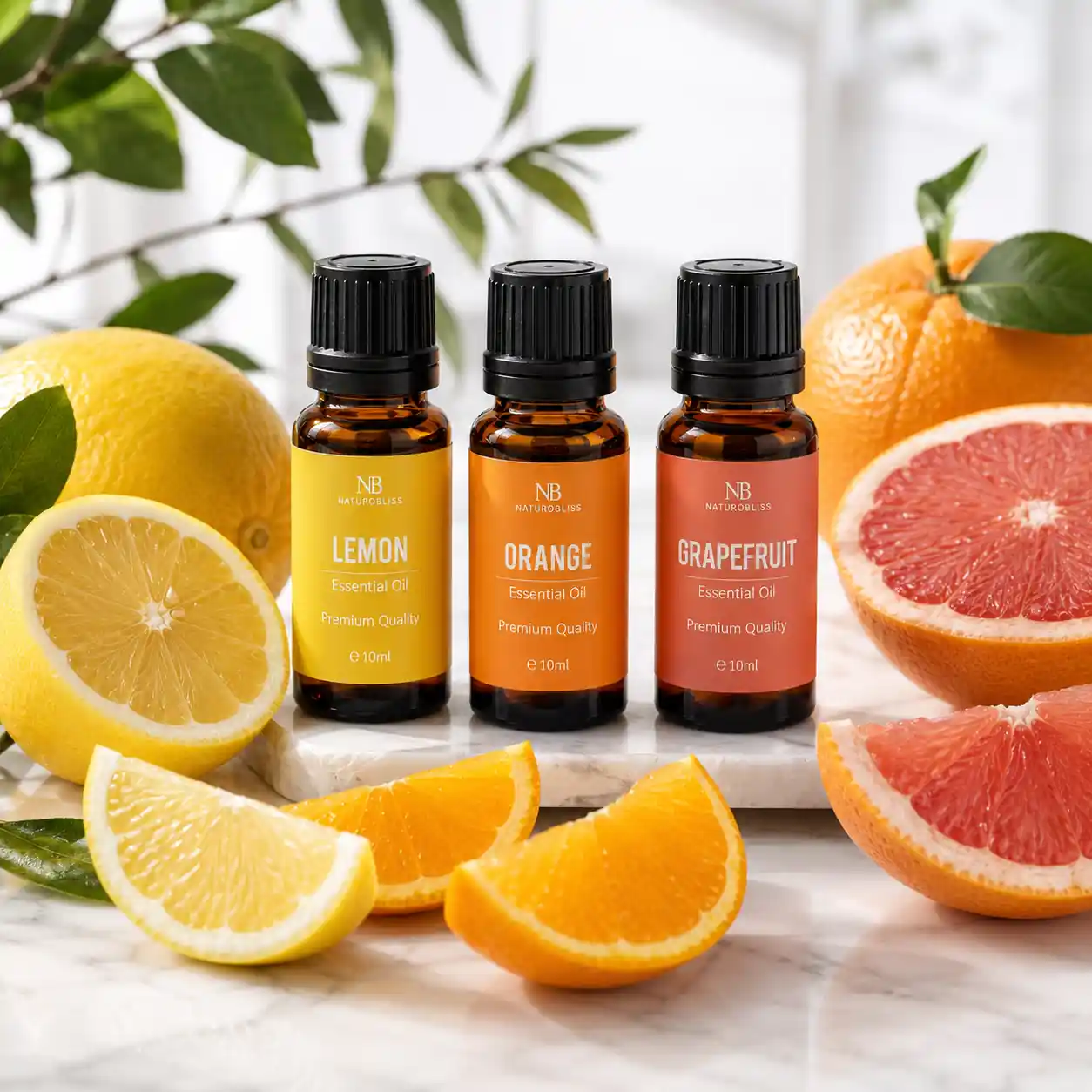
- Lemon
- Orange
- Grapefruit
- Eucalyptus
5. Encourages Focus and Productivity
Certain aromas are commonly used in workspaces and study areas.
Best focus oils:
- Rosemary
- Peppermint
- Lemon
- Basil
Who Should Use Essential Oils in a Diffuser?
Diffuser aromatherapy can benefit many lifestyles.
Ideal Users
- Remote workers
- Students
- Wellness enthusiasts
- Meditation practitioners
- Yoga practitioners
- Home spa users
- Busy professionals
- Individuals seeking relaxation routines
Situations Where Diffusers Are Useful
- During meditation
- Before sleep
- While working from home
- During yoga sessions
- While reading
- During self-care routines
- To freshen indoor spaces
Best Essential Oils for Relaxation Diffuser Blends
If your primary goal is relaxation, these oils consistently rank among the most popular choices.
1. Lavender Essential Oil
Why It’s Popular
Lavender is often considered the gold standard for relaxation aromatherapy.
Benefits
- Floral aroma
- Calming atmosphere
- Evening-friendly scent
- Versatile blending oil
Best Pairings
- Cedarwood
- Bergamot
- Chamomile
2. Chamomile Essential Oil
Chamomile provides a soft, gentle scent often associated with peaceful environments.
Pros
- Mild aroma
- Excellent bedtime choice
- Blends well with florals
Cons
- Often more expensive
- Aroma may be too subtle for some users
3. Cedarwood Essential Oil
Cedarwood offers a warm, woody fragrance that many people find grounding and comforting.
Best Uses
- Evening diffusion
- Meditation rooms
- Relaxation blends
4. Bergamot Essential Oil
Bergamot combines citrus brightness with calming characteristics.
Why Users Love It
- Fresh scent
- Balancing aroma
- Great for stress-relief blends
5. Ylang-Ylang Essential Oil
Known for its rich floral aroma, ylang-ylang is often included in luxury spa blends.
Ideal For
- Relaxation
- Romantic settings
- Self-care routines
Best Essential Oils for Everyday Diffuser Use
Eucalyptus
Perfect for creating a clean, refreshing atmosphere.
Benefits
- Crisp scent
- Popular during seasonal changes
- Blends well with mint oils
Peppermint
One of the most versatile diffuser oils available.
Benefits
- Cooling aroma
- Energizing environment
- Popular for workspaces
Lemon
Bright, fresh, and uplifting.
Best For
- Kitchens
- Home offices
- Morning routines
Sweet Orange
Sweet orange creates a cheerful and welcoming atmosphere.
Why It Stands Out
- Pleasant scent
- Family-friendly aroma
- Excellent for daily use
Frankincense
A classic aromatherapy oil known for its rich, resinous fragrance.
Common Uses
- Meditation
- Relaxation
- Wellness routines
Best Essential Oils for Sleep
| Essential Oil | Aroma Profile | Ideal Time |
|---|---|---|
| Lavender | Floral | Evening |
| Vetiver | Earthy | Bedtime |
| Cedarwood | Woody | Evening |
| Chamomile | Soft Floral | Night |
| Sandalwood | Warm Woody | Night |
Sample Sleep Blend
- 3 drops Lavender
- 2 drops Cedarwood
- 2 drops Chamomile
Best Essential Oils for Focus and Productivity
Recommended Oils
| Oil | Benefit |
|---|---|
| Rosemary | Mental clarity |
| Peppermint | Alert atmosphere |
| Lemon | Fresh environment |
| Basil | Concentration support |
Focus Blend
- 3 drops Lemon
- 2 drops Rosemary
- 2 drops Peppermint
How to Use Essential Oils Properly in a Diffuser
Step 1: Fill the Reservoir
Use clean water according to the manufacturer’s instructions.
Step 2: Add Essential Oils
Most diffusers require:
- Small room: 3–5 drops
- Medium room: 5–8 drops
- Large room: 8–12 drops
Step 3: Start the Diffuser
Turn it on and allow the aroma to disperse.
Step 4: Adjust Strength
Add more or fewer drops depending on preference.
Step 5: Clean Regularly
Regular cleaning helps maintain performance and scent quality.
Common Mistakes to Avoid
Using Too Much Oil
More oil does not necessarily create a better experience.
Choosing Low-Quality Oils
Poor-quality oils may contain fillers or synthetic fragrances.
Neglecting Diffuser Maintenance
Dirty diffusers can reduce effectiveness.
Using Random Blends
Combining too many strong oils may create unpleasant aromas.
Ignoring Room Size
A blend that works in a bedroom may be overwhelming in a small office.
Best Essential Oils for Diffuser vs Alternatives
| Option | Advantages | Disadvantages |
|---|---|---|
| Essential Oils | Natural aromas, versatile | Require diffuser |
| Scented Candles | Simple to use | Open flame |
| Wax Melts | Strong scent | Requires warmer |
| Room Sprays | Instant fragrance | Short duration |
| Plug-In Fresheners | Convenient | Often synthetic |
For users seeking customizable aromatherapy experiences, essential oils remain one of the most flexible options.
What to Look for Before Buying Essential Oils
Choosing the right essential oil is just as important as selecting the right diffuser.
Purity
Look for oils labeled:
- 100% pure essential oil
- No synthetic fragrances
- No unnecessary fillers
Botanical Name
Quality brands typically list the plant’s scientific name.
Example:
- Lavandula angustifolia (Lavender)
Extraction Method
Preferred methods include:
- Steam distillation
- Cold pressing
Packaging
Dark glass bottles help protect oil quality.
Brand Transparency
Reputable companies often provide:
- Sourcing information
- Testing details
- Ingredient transparency
Best Essential Oil Products to Consider
While many quality brands exist, consumers often look for oils from manufacturers known for transparency and purity.
Popular categories include:
| Category | Recommended Oil Type |
|---|---|
| Relaxation | Lavender |
| Sleep | Cedarwood |
| Focus | Rosemary |
| Energy | Peppermint |
| Freshness | Lemon |
| Meditation | Frankincense |
When comparing products, evaluate:
- Purity
- Aroma quality
- Extraction method
- Packaging
- Brand reputation
- Third-party testing
Product Comparison Factors
Before purchasing, compare these factors:
| Factor | Why It Matters |
|---|---|
| Purity | Determines quality |
| Origin | Impacts aroma profile |
| Testing | Improves transparency |
| Packaging | Protects freshness |
| Price per Ounce | Better value comparison |
| Customer Reviews | Real-world feedback |
Expert Tips for Getting Better Diffuser Results
Use Fewer Oils
Simple blends often perform better than complex combinations.
Rotate Scents
Changing oils periodically can keep your aromatherapy experience fresh.
Match Scents to Activities
- Work: Peppermint and Lemon
- Relaxation: Lavender and Cedarwood
- Meditation: Frankincense and Sandalwood
Clean Weekly
A clean diffuser produces more consistent aromas.
Start Small
Begin with fewer drops and adjust gradually.
Frequently Asked Questions
What is the best essential oil for a diffuser?
Lavender is often considered the best all-around diffuser oil due to its versatility, pleasant aroma, and suitability for relaxation and bedtime routines.
Which essential oils are best for relaxation?
Lavender, chamomile, bergamot, cedarwood, and ylang-ylang are among the most popular relaxation oils.
Can I mix essential oils in a diffuser?
Yes. Many users create custom blends by combining complementary oils such as lavender and cedarwood or lemon and peppermint.
How many drops of essential oil should I use?
Most diffusers perform well with 5–10 drops, depending on room size and diffuser capacity.
What essential oils are best for sleep?
Lavender, vetiver, cedarwood, chamomile, and sandalwood are commonly used before bedtime.
Which oils are best for focus?
Rosemary, peppermint, lemon, and basil are frequently chosen for work and study environments.
Can essential oils replace air fresheners?
Many people use diffusers as a natural alternative to synthetic room fragrances.
How often should I clean my diffuser?
A light cleaning after every few uses and a deeper cleaning weekly is generally recommended.
Are expensive essential oils always better?
Not necessarily. Purity, sourcing, testing, and transparency matter more than price alone.
What is the best diffuser blend for relaxation?
A blend of lavender, cedarwood, and chamomile is one of the most widely recommended relaxation combinations.
The best essential oils for diffuser use depend on your personal goals, but lavender, eucalyptus, peppermint, lemon, bergamot, cedarwood, and frankincense remain some of the most trusted and versatile choices. If your priority is relaxation, lavender-based essential oils for relaxation diffuser blends are often the best place to start.
Focus on choosing high-quality, pure essential oils from reputable brands and experiment with different blends to find what works best for your space and lifestyle. With the right oils and proper diffuser use, you can create a calming retreat, an energizing workspace, or a welcoming atmosphere throughout your home.
Ready to elevate your aromatherapy experience? Explore different essential oil blends and discover the scents that help you relax, recharge, and enjoy every day a little more.