Best Essential Oils for Shower Aromatherapy: Benefits, Uses & Buying Guide
Shower aromatherapy is one of the easiest ways to transform an ordinary shower into a relaxing wellness ritual. The best essential oils for shower aromatherapy can help create a calming, energizing, refreshing, or spa-like atmosphere depending on the scent you choose. Popular options include lavender for relaxation, eucalyptus for respiratory comfort, peppermint for an invigorating experience, and citrus oils for mood enhancement.
Introduction
If you’re searching for the best essential oils for shower aromatherapy, you’re not alone. More people are incorporating aromatherapy into their daily routines to enhance relaxation, improve their shower experience, and create a spa-like environment at home.
Unlike diffusers or bath soaks, shower aromatherapy requires minimal effort. A few drops of essential oil, a shower steamer, or an aromatherapy shower device can fill your shower with natural botanical aromas that complement your wellness routine.
In this guide, you’ll learn which essential oils work best, how to use them safely, who can benefit most, and what to look for when purchasing essential oils for shower use.
What Are the Best Essential Oils for Shower Aromatherapy?
| Essential Oil | Best For | Aroma Profile |
|---|---|---|
| Lavender | Relaxation and stress relief | Floral, calming |
| Eucalyptus | Refreshing shower experience | Clean, herbal |
| Peppermint | Morning energy boost | Cool, minty |
| Sweet Orange | Mood enhancement | Bright, citrusy |
| Lemon | Freshness and focus | Crisp, clean |
| Tea Tree | Fresh, cleansing aroma | Medicinal, herbal |
| Bergamot | Stress management | Citrus-floral |
| Chamomile | Evening relaxation | Soft, sweet |
| Rosemary | Mental clarity | Herbal, invigorating |
| Grapefruit | Uplifting atmosphere | Fruity, energizing |
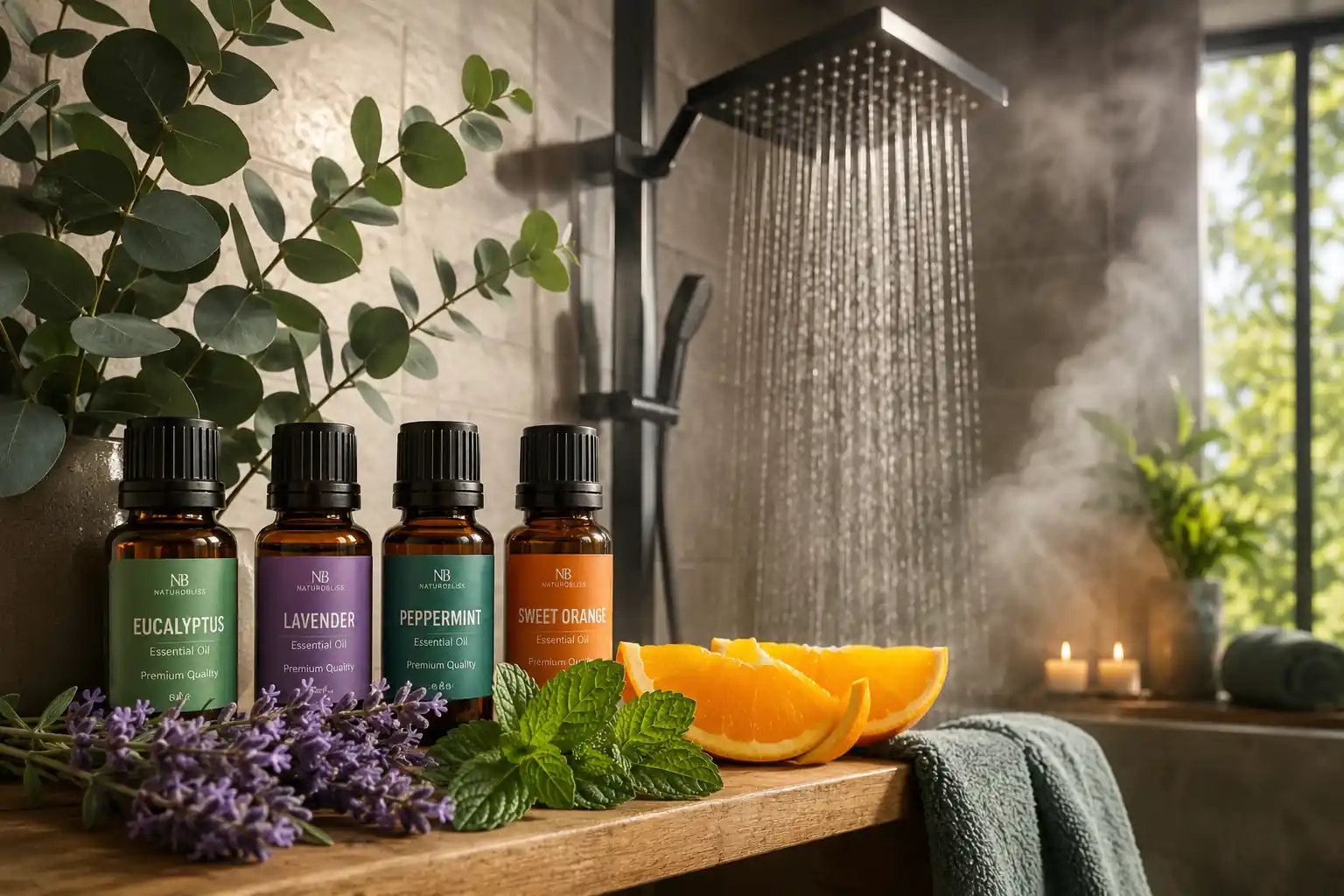
For most users, lavender, eucalyptus, peppermint, and citrus oils are the most versatile choices for shower aromatherapy.
What Is Shower Aromatherapy?
Shower aromatherapy is the practice of using aromatic essential oils during a shower to create a sensory wellness experience.
The warm water and steam help disperse aromatic compounds into the air, allowing you to enjoy their natural fragrance while showering.
Unlike a bath, where oils are diluted in water, shower aromatherapy primarily relies on steam to distribute the scent throughout the shower enclosure.
Common Methods
- Essential oils on shower walls
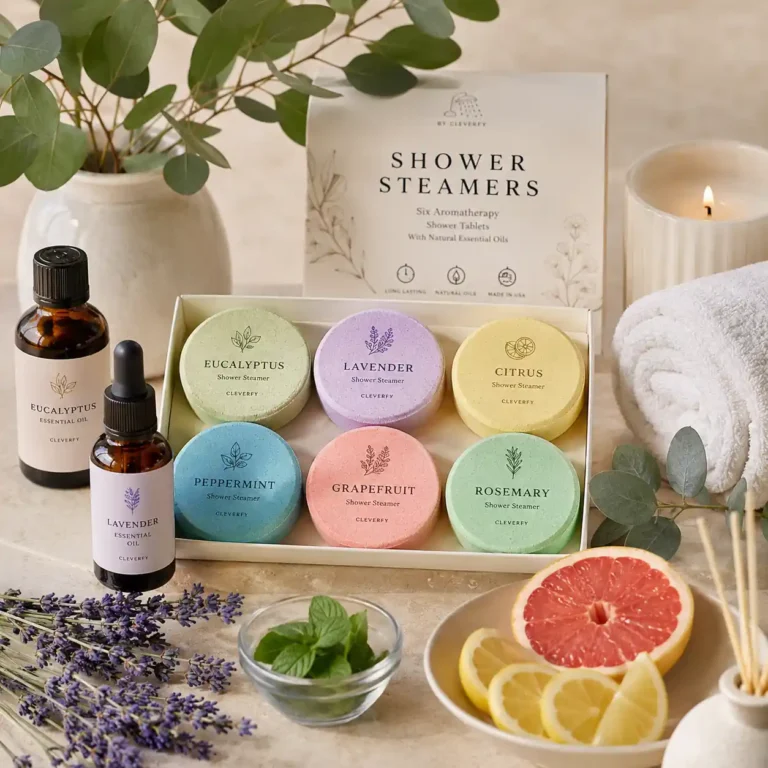
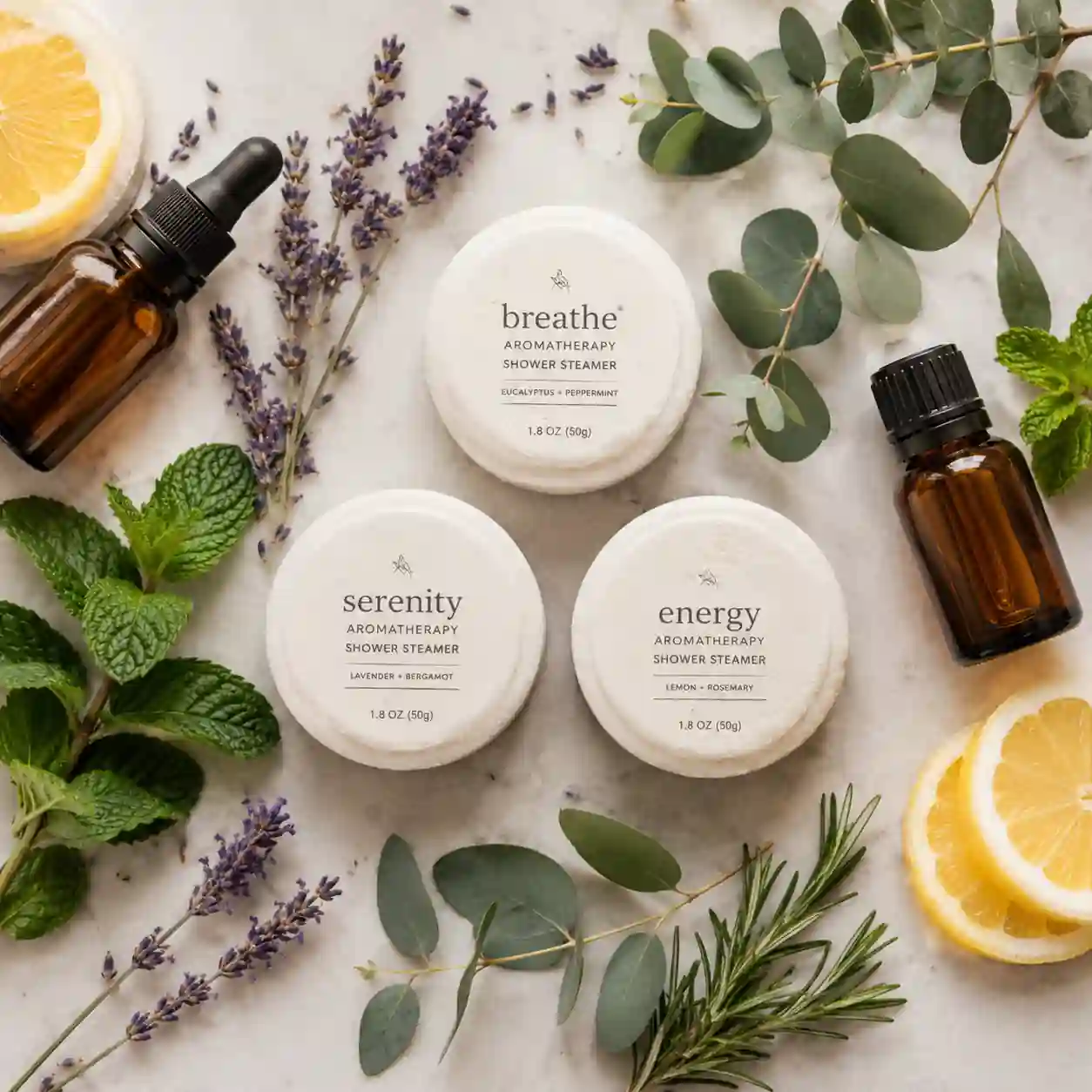
- Shower steamers
- Aromatherapy shower tablets
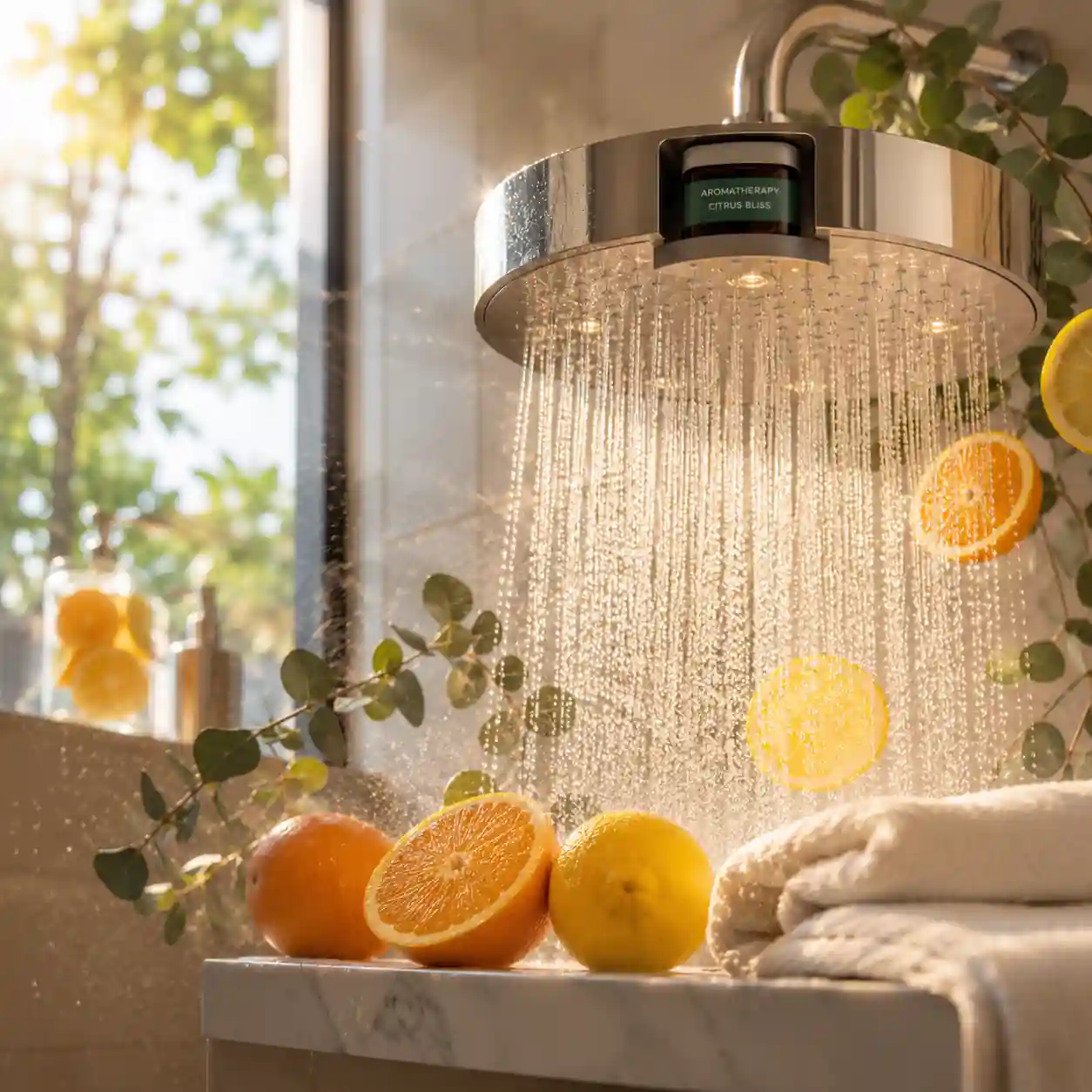
- Aromatherapy shower heads
- Diffuser accessories
- Washcloth or sponge application
How Shower Aromatherapy Works
Essential oils contain naturally occurring aromatic compounds extracted from plants.
When exposed to warm steam, these compounds become airborne and disperse throughout the shower environment.
The process typically follows these steps:
- Hot water generates steam.
- Essential oils release aromatic molecules.
- Steam carries the aroma throughout the shower.
- Users experience the scent during their shower routine.
The result is a more enjoyable and immersive shower experience that many people associate with relaxation and wellness.
Benefits of Essential Oils for Shower Aromatherapy
While essential oils are not medical treatments, they are widely used to support wellness routines and enhance everyday experiences.
Creates a Spa-Like Experience
One of the biggest benefits is transforming an ordinary shower into a home spa environment.
Many luxury spas use essential oil-infused steam rooms and shower treatments because aroma significantly influences the overall sensory experience.
Encourages Relaxation
Relaxing scents such as lavender and chamomile are commonly used during evening showers to promote a calming atmosphere.
Supports an Energizing Morning Routine
Peppermint, rosemary, and citrus oils can help create a refreshing and invigorating shower experience.
Enhances Shower Enjoyment
Many users simply enjoy the pleasant botanical fragrances that essential oils provide compared to synthetic air fresheners.
Customizable to Your Preferences
Different oils can be selected depending on the desired mood:
- Relaxing
- Refreshing
- Uplifting
- Grounding
- Energizing
Who Should Use Essential Oils for Shower Aromatherapy?
Shower aromatherapy may be beneficial for:
Busy Professionals
People seeking a quick wellness ritual before or after work.
Fitness Enthusiasts
Individuals who want an invigorating shower experience after exercise.
Spa and Wellness Enthusiasts
Those who enjoy creating luxury self-care routines at home.
People Without Bathtubs
Shower aromatherapy offers many of the sensory benefits associated with bath-based aromatherapy.
Anyone Seeking a More Enjoyable Shower
Even simple fragrance enhancement can make daily showers feel more luxurious.
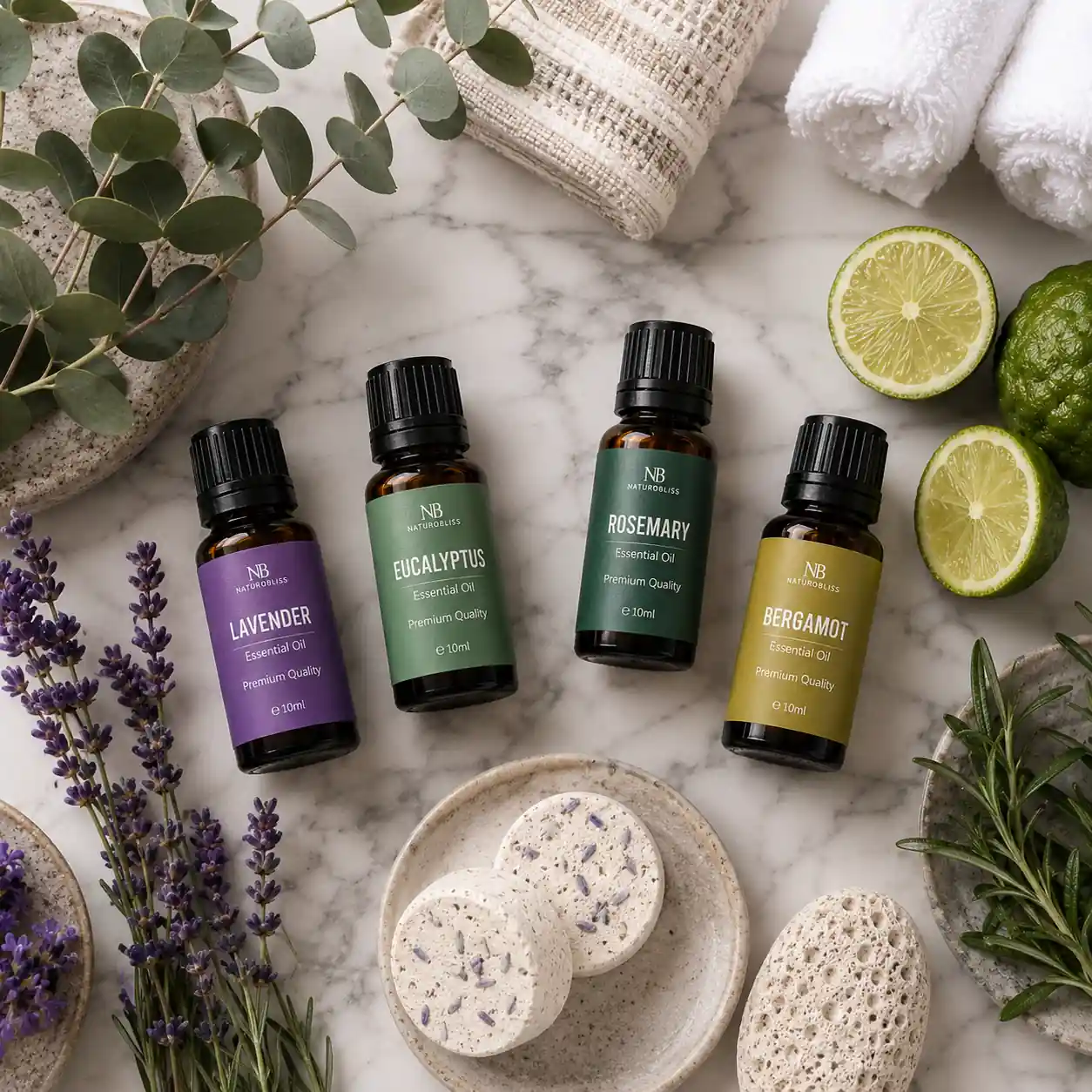
Best Essential Oils for Shower Aromatherapy
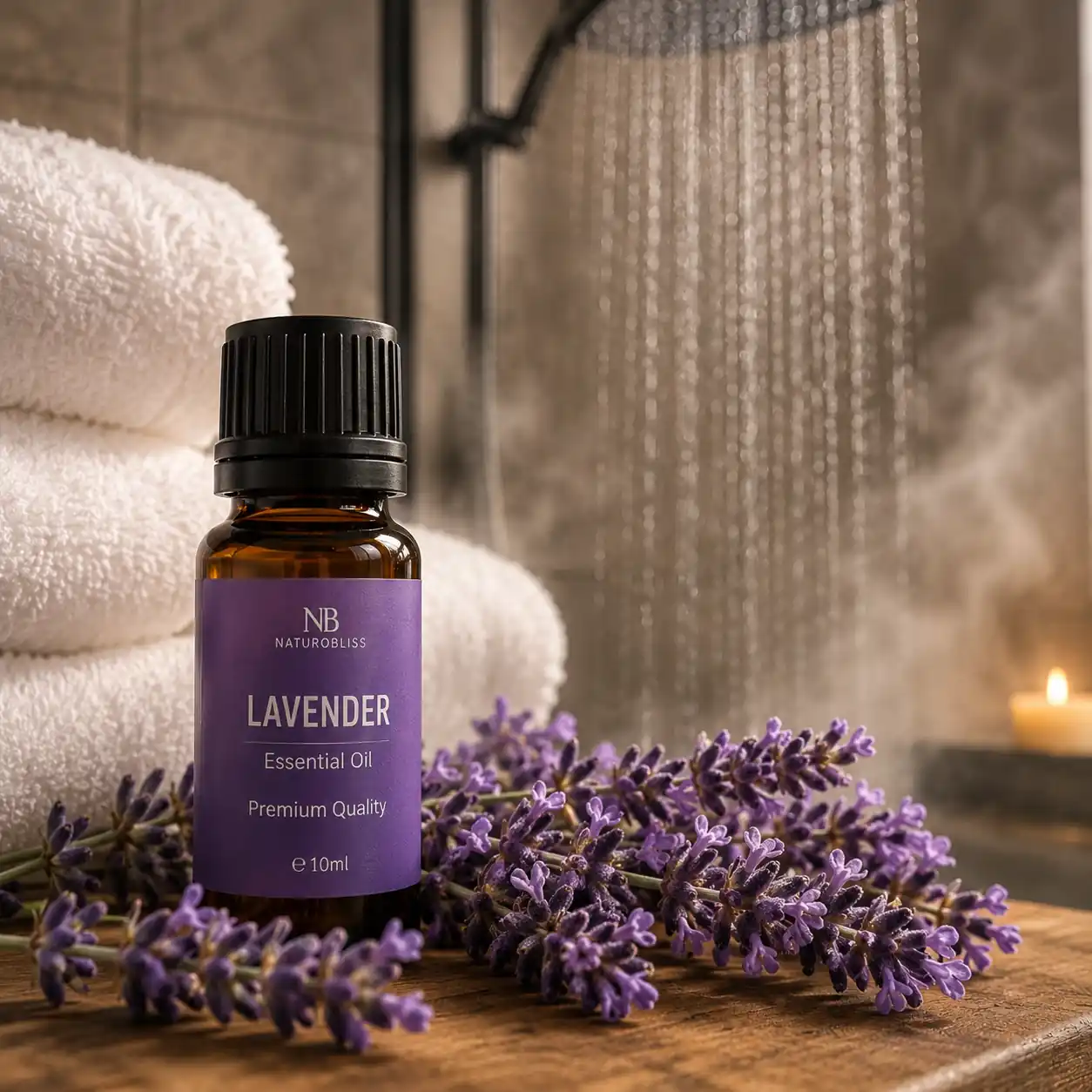
1. Lavender Essential Oil
Best For:
Relaxation and evening showers.
Benefits:
- Calming aroma
- Popular bedtime scent
- Spa-like atmosphere
Pros
- Widely available
- Pleasant floral scent
- Suitable for beginners
Cons
- Some users prefer less floral fragrances
2. Eucalyptus Essential Oil
Best For:
Refreshing showers and steam experiences.
Benefits:
- Crisp aroma
- Commonly used in spas
- Creates a clean feeling environment
Pros
- Strong scent
- Excellent in steam
- Popular shower choice
Cons
- Aroma may be too intense for some users
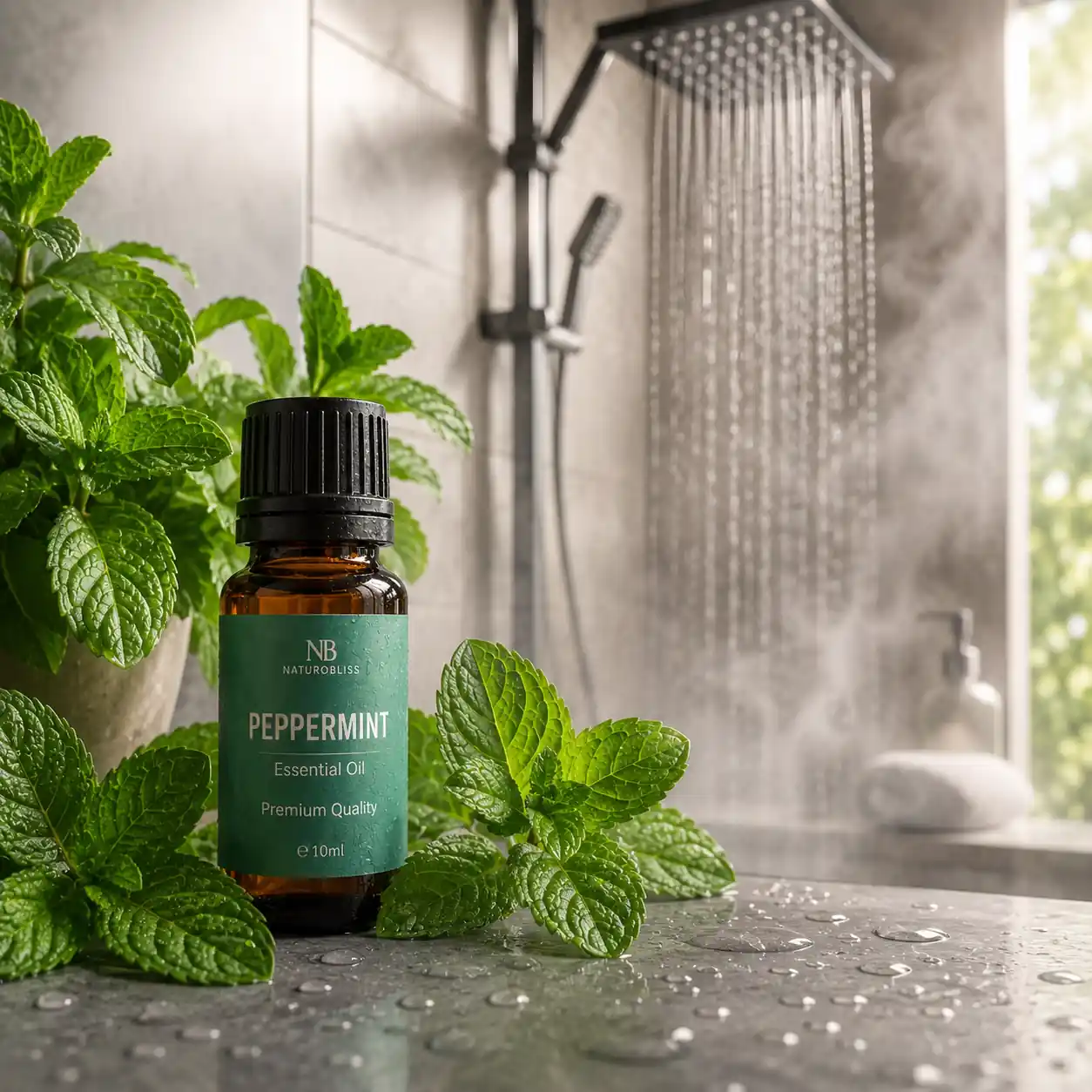
3. Peppermint Essential Oil
Best For:
Morning showers.
Benefits:
- Cooling sensation
- Invigorating fragrance
- Energizing atmosphere
Pros
- Strong aroma
- Refreshing experience
- Excellent wake-up scent
Cons
- Can be overpowering when overused
4. Sweet Orange Essential Oil
Best For:
Mood enhancement and daytime use.
Benefits:
- Bright fragrance
- Cheerful aroma
- Blends well with other oils
Pros
- Affordable
- Beginner-friendly
- Pleasant scent
Cons
- Aroma dissipates relatively quickly
5. Lemon Essential Oil
Best For:
Fresh and clean shower environments.
Benefits:
- Crisp citrus aroma
- Popular household scent
- Excellent for morning showers
Pros
- Fresh fragrance
- Easy to blend
- Widely available
Cons
- May require frequent replenishment
6. Bergamot Essential Oil
Best For:
Balancing relaxation and freshness.
Benefits:
- Citrus-floral profile
- Sophisticated aroma
- Popular in luxury spa products
7. Chamomile Essential Oil
Best For:
Relaxing nighttime routines.
Benefits:
- Gentle aroma
- Comforting scent profile
- Suitable for winding down
8. Rosemary Essential Oil
Best For:
Mental clarity and focus.
Benefits:
- Herbal aroma
- Refreshing experience
- Popular morning option
9. Grapefruit Essential Oil
Best For:
An uplifting shower atmosphere.
Benefits:
- Bright citrus scent
- Refreshing aroma
- Excellent daytime choice
10. Tea Tree Essential Oil
Best For:
A fresh and clean shower environment.
Benefits:
- Distinct herbal scent
- Frequently included in shower products
- Blends well with eucalyptus
Best Essential Oil Blends for Shower Aromatherapy
| Blend Name | Ingredients | Best Time |
|---|---|---|
| Spa Retreat | Eucalyptus + Lavender | Evening |
| Morning Boost | Peppermint + Lemon | Morning |
| Citrus Energy | Orange + Grapefruit | Daytime |
| Relax & Unwind | Lavender + Chamomile | Night |
| Focus Blend | Rosemary + Lemon | Workday Morning |
How to Use Essential Oils Properly in the Shower
Method 1: Shower Floor Application
- Add 2–5 drops to a shower corner.
- Avoid direct water flow.
- Allow steam to disperse the aroma.
Method 2: Washcloth Method
- Place several drops on a damp washcloth.
- Hang near warm water.
- Enjoy gradual fragrance release.
Method 3: Shower Steamers
- Place a shower steamer on the floor.
- Activate with water.
- Let it release aroma during the shower.
Method 4: Aromatherapy Shower Heads
These systems are specifically designed to release fragrance during shower use.
Common Mistakes to Avoid
Using Too Much Oil
More oil doesn’t necessarily create a better experience. Excessive amounts can produce overpowering scents.
Applying Oils Directly to Skin
Many essential oils should be diluted properly before direct skin contact.
Using Low-Quality Oils
Synthetic fragrances often fail to deliver the same aromatic experience as pure essential oils.
Ignoring Ventilation
Too much airflow may reduce fragrance intensity, while too little may create an overwhelming scent.
Choosing the Wrong Oil for the Occasion
- Morning: peppermint, lemon, rosemary
- Evening: lavender, chamomile
- General use: eucalyptus, bergamot
Best Essential Oils for Shower Aromatherapy vs Alternatives
| Option | Aroma Strength | Convenience | Cost |
|---|---|---|---|
| Essential Oils | High | Moderate | Moderate |
| Shower Steamers | High | High | Moderate |
| Aromatherapy Shower Heads | Moderate | Very High | Higher |
| Bath Bombs | High | Low (requires bath) | Moderate |
| Diffusers | High | High | Moderate |
Essential Oils
Pros
- Flexible
- Cost-effective
- Multiple uses
Cons
- Requires preparation
Shower Steamers
Pros
- Convenient
- Consistent aroma
Cons
- Consumable product
Aromatherapy Shower Heads
Pros
- Easy to use
- Integrated solution
Cons
- Higher upfront cost
What to Look for Before Buying Essential Oils
Purity
Choose products labeled:
- 100% pure essential oil
- No synthetic fragrances
- No artificial fillers
Botanical Source
Reputable brands disclose:
- Plant species
- Country of origin
- Extraction method
Packaging
Look for:
- Dark amber bottles
- UV protection
- Secure caps
Third-Party Testing
Quality-focused brands often provide:
- GC/MS testing
- Purity verification
- Ingredient transparency
Recommended Features
When evaluating essential oils for shower aromatherapy, prioritize:
| Feature | Why It Matters |
|---|---|
| Pure ingredients | Better fragrance quality |
| Dark glass bottle | Protects oil quality |
| Transparent sourcing | Improved trust |
| Batch testing | Quality assurance |
| Strong aroma profile | Better shower performance |
Product Comparison Factors
Before purchasing, compare:
- Scent intensity
- Purity
- Price per ounce
- User reviews
- Blend compatibility
- Brand reputation
- Packaging quality
- Testing standards
The best choice depends on whether your goal is relaxation, energy, freshness, or a luxury spa experience.
Expert Tips for Better Shower Aromatherapy
Start Small
Begin with 2–3 drops and increase gradually.
Rotate Scents
Changing fragrances prevents scent fatigue.
Match Scents to Your Routine
- Morning: citrus, peppermint
- Afternoon: rosemary, eucalyptus
- Evening: lavender, chamomile
Combine Compatible Oils
Popular combinations include:
- Lavender + Eucalyptus
- Lemon + Rosemary
- Orange + Peppermint
- Chamomile + Lavender
Store Oils Properly
Keep bottles away from:
- Heat
- Direct sunlight
- Excess humidity
Frequently Asked Questions
What is the best essential oil for shower aromatherapy?
Lavender and eucalyptus are generally considered the most popular options because they perform well in steam and appeal to a wide range of users.
Can I put essential oils directly on my shower floor?
Yes, many users place a few drops in a corner away from direct water flow to allow the steam to disperse the aroma.
Which essential oil is best for morning showers?
Peppermint, lemon, rosemary, and grapefruit are commonly chosen for an energizing shower experience.
Which essential oil is best before bed?
Lavender and chamomile are among the most popular evening aromatherapy choices.
How many drops should I use?
Typically, 2–5 drops are sufficient for most showers.
Are shower steamers better than essential oils?
Shower steamers are more convenient, while pure essential oils offer greater flexibility and customization.
Can I mix different essential oils?
Yes. Many users create custom blends to achieve specific scent profiles.
How long does the aroma last?
Most shower aromatherapy experiences last for the duration of the shower, usually 5–20 minutes.
Do expensive essential oils perform better?
Not always. Purity, freshness, and proper sourcing are usually more important than price alone.
What essential oils create a spa-like shower?
A combination of eucalyptus and lavender is one of the most popular spa-inspired blends.
Can beginners use essential oils for shower aromatherapy?
Yes. Lavender, orange, and eucalyptus are excellent beginner-friendly options.
What is the most versatile essential oil?
Lavender is often considered the most versatile because it blends well with many other oils and works for both relaxation and general wellness routines.
Final Verdict
The best essential oils for shower aromatherapy depend on your goals, preferences, and daily routine. For relaxation, lavender and chamomile remain top choices. For refreshing and spa-like showers, eucalyptus continues to be a favorite. If you’re looking for an energizing start to the day, peppermint, rosemary, lemon, and grapefruit offer bright, invigorating aromas.
When choosing essential oils, prioritize purity, quality testing, transparent sourcing, and strong aromatic performance. Combined with proper usage techniques, the right essential oils can transform an ordinary shower into a luxurious aromatherapy experience that supports relaxation, refreshment, and everyday wellness.