Anti-Aging Skincare: The Complete Guide to Preventing Wrinkles, Fine Lines & Premature Aging
You glance in the mirror one morning and notice something different—a faint line near your eyes, a crease that seems deeper than before, or skin that doesn’t bounce back quite as quickly. It’s a moment many people experience, and it often raises the same question:
Can aging skin be slowed down?
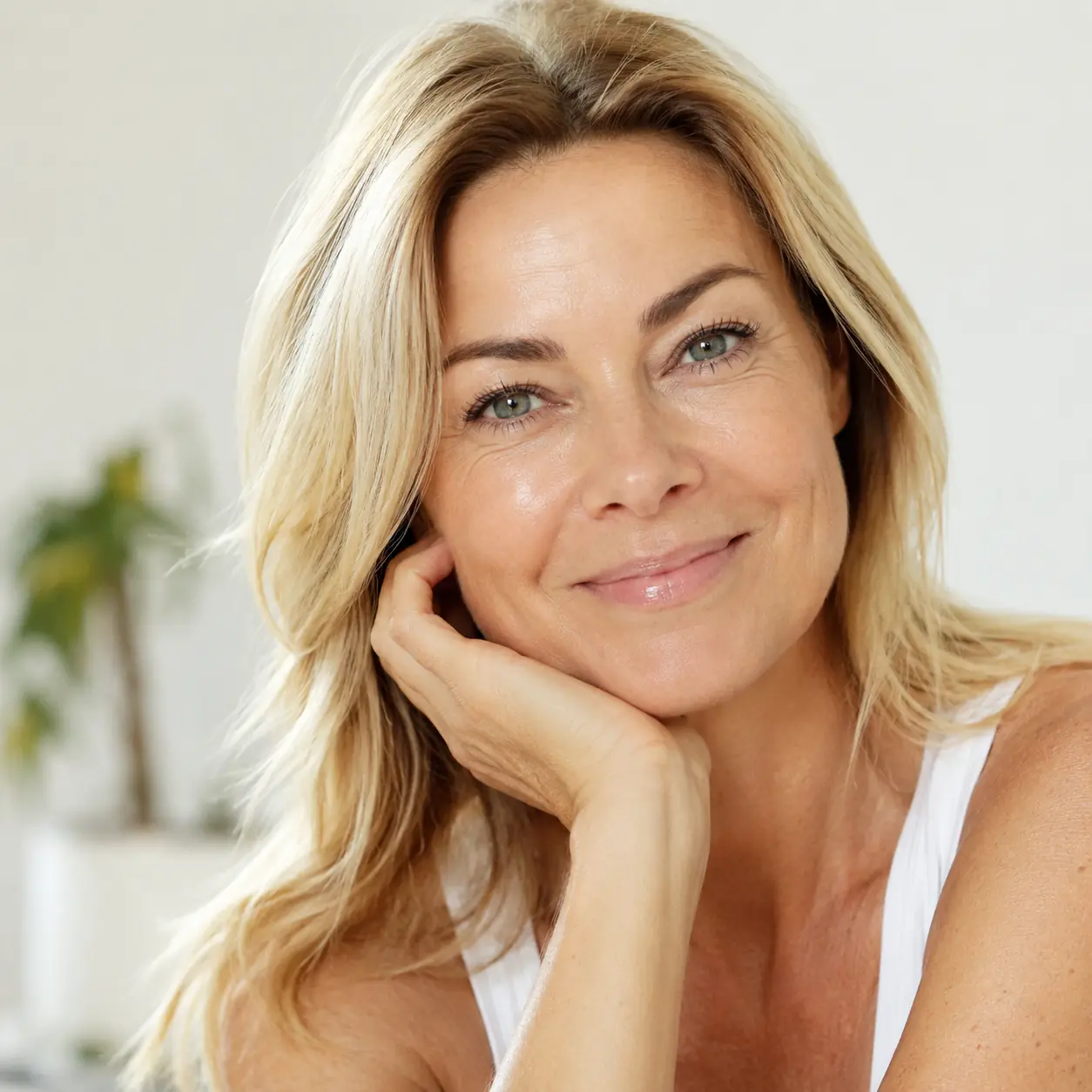
What if the biggest cause of wrinkles isn’t aging itself? Many fine lines, dark spots, and signs of premature aging are actually linked to everyday factors like sun exposure, pollution, stress, and lifestyle habits.
The good news is that the right anti-aging skincare routine can help slow visible aging, support wrinkle prevention, and keep your skin looking smoother, firmer, and healthier for longer. From proven anti-aging products like retinol and vitamin C to effective wrinkle treatments and daily habits that protect collagen, there are science-backed ways to maintain youthful-looking skin at any age.
In this complete guide, you’ll discover the best ingredients, expert strategies, and anti-aging routine tips to help prevent wrinkles and achieve healthier, more radiant skin.
Key Takeaways
- Daily sunscreen is the most effective anti-aging product available.
- Up to 80% of visible facial aging is linked to UV exposure.
- Retinoids remain the gold standard for wrinkle prevention and treatment.
- Hydration improves skin elasticity and reduces the appearance of fine lines.
- Antioxidants help protect against environmental damage.
- Lifestyle habits significantly influence how quickly skin ages.
- Consistency matters more than expensive products.
What Is Anti-Aging Skincare?
Anti-aging skincare refers to products, ingredients, and habits designed to:
- Prevent premature aging
- Reduce wrinkles and fine lines
- Improve skin firmness
- Enhance hydration
- Even skin tone
- Support collagen production
- Protect against environmental damage
The goal isn’t to stop aging—it is to help skin remain healthy, resilient, and youthful-looking for as long as possible.
Why Does Skin Age?
Skin aging occurs through two primary processes:
Intrinsic Aging
Intrinsic aging is the natural aging process controlled by genetics and time.
Characteristics include:
- Thinner skin
- Reduced collagen production
- Slower cell turnover
- Fine lines
- Loss of elasticity
Extrinsic Aging
Extrinsic aging is caused by external factors.
Common causes include:
- UV radiation
- Air pollution
- Smoking
- Poor diet
- Alcohol consumption
- Lack of sleep
- Chronic stress
These factors accelerate collagen breakdown and contribute to premature wrinkles.
Understanding Wrinkles and Fine Lines
Wrinkles develop when the skin loses:
- Collagen
- Elastin
- Hyaluronic acid
- Structural support
Repeated facial expressions also contribute to wrinkle formation over time.
Common wrinkle types include:
| Wrinkle Type | Cause | Common Location |
|---|---|---|
| Dynamic Wrinkles | Facial movements | Forehead, eyes |
| Static Wrinkles | Collagen loss | Cheeks, mouth |
| Gravitational Wrinkles | Skin sagging | Jawline, neck |
| Sleep Wrinkles | Repeated pressure | Side of face |
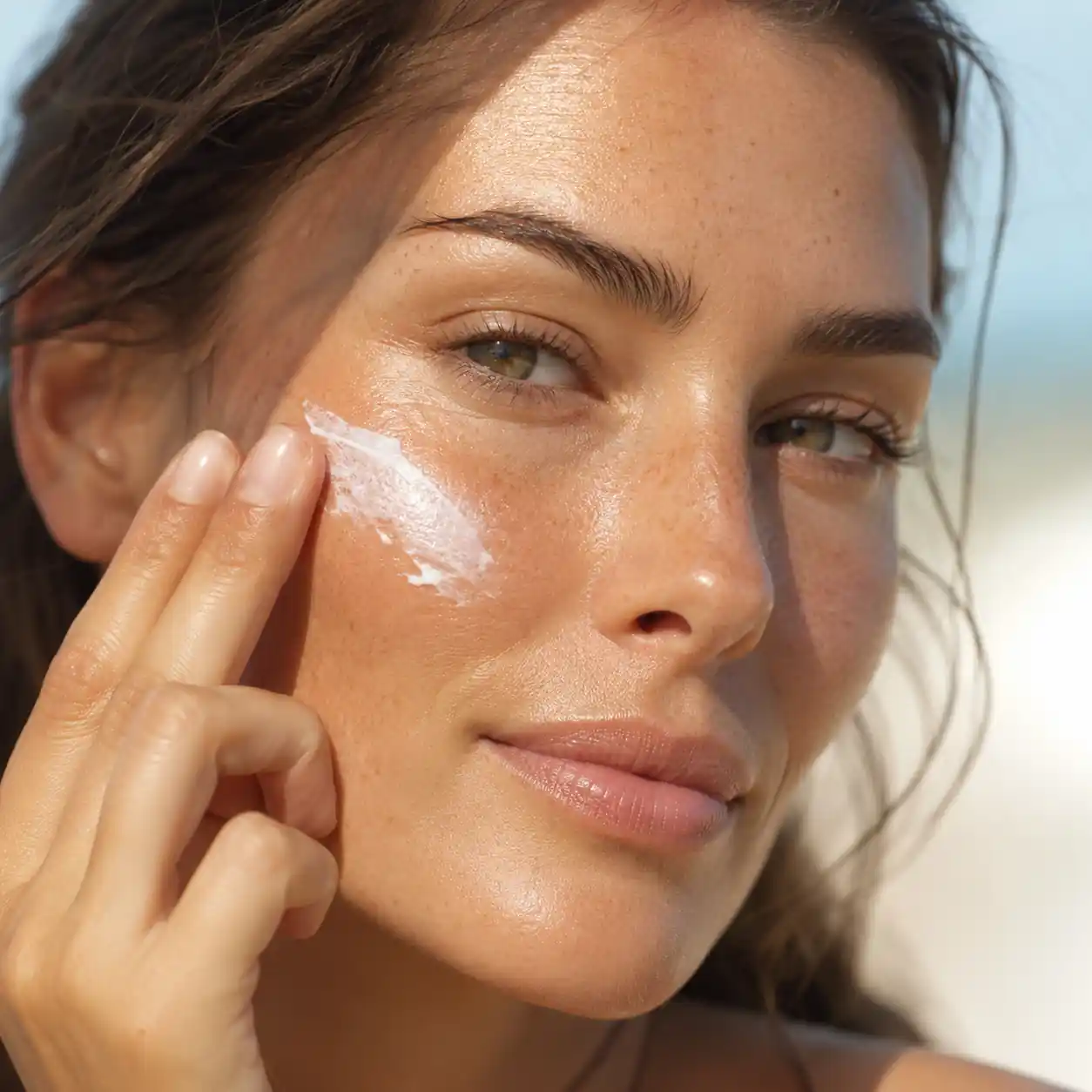
The Science Behind Collagen Loss
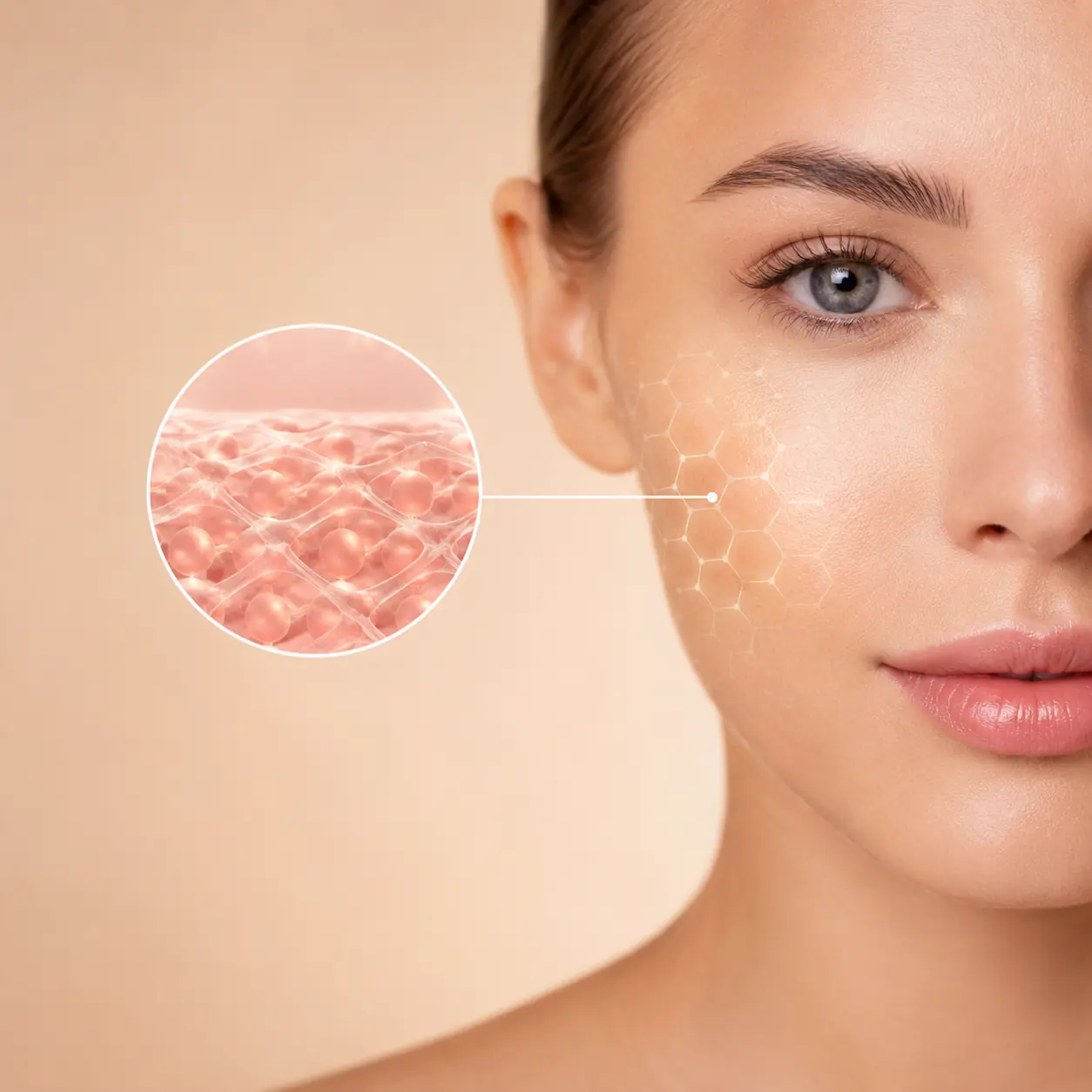
Collagen is the most abundant protein in the skin.
Starting in your mid-20s:
- Collagen production declines annually
- Skin repair slows
- Elasticity decreases
- Wrinkles become more noticeable
By age 50, collagen levels may decline significantly compared to early adulthood.
Protecting existing collagen becomes just as important as stimulating new production.
The Most Effective Anti-Aging Skincare Ingredients
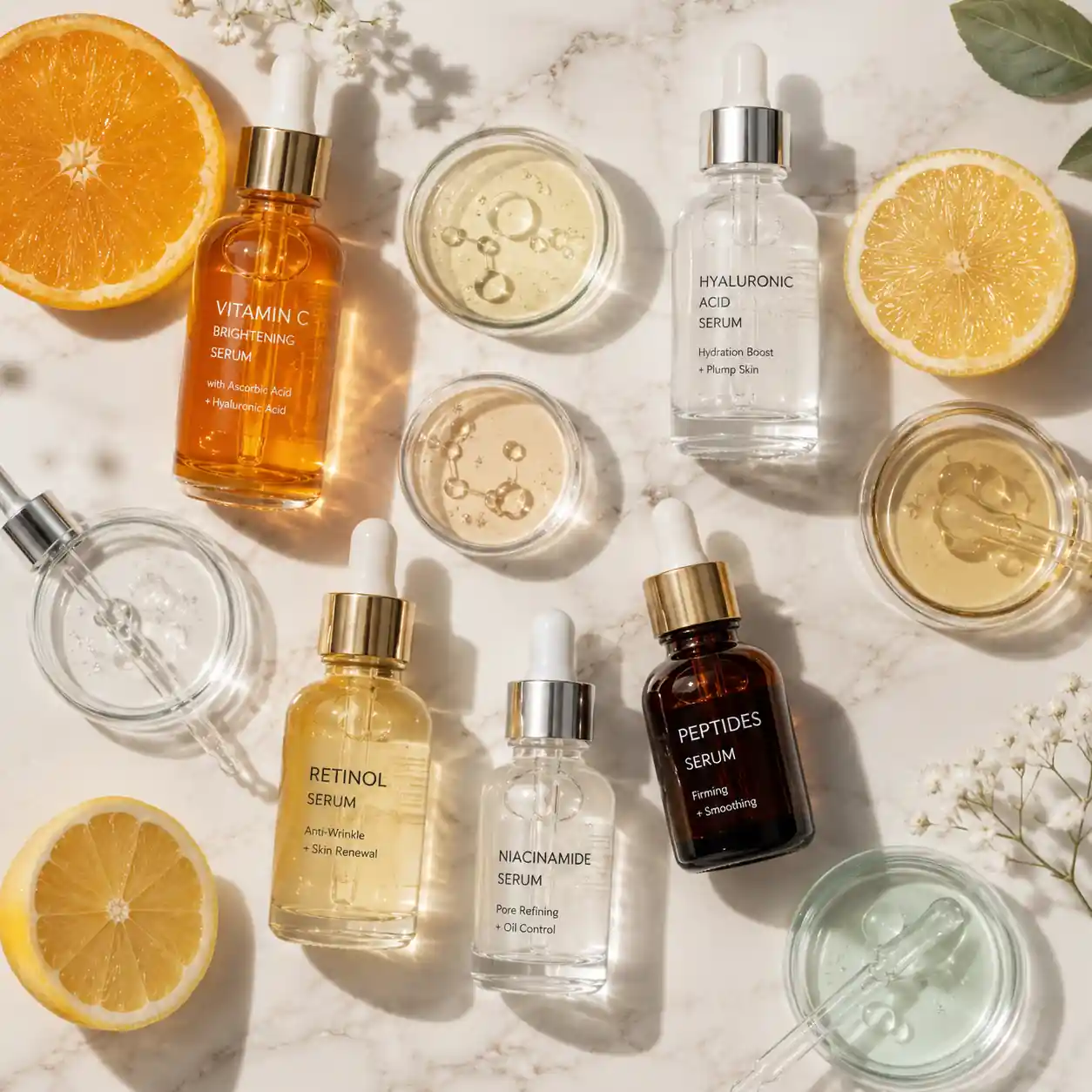
1- Retinol and Retinoids
Retinoids are considered the gold standard in wrinkle prevention.
Benefits:
- Increase collagen production
- Accelerate cell turnover
- Reduce fine lines
- Improve texture
- Fade discoloration
Best for:
- Wrinkles
- Sun damage
- Uneven skin tone
2- Vitamin C
Vitamin C is a powerful antioxidant.
Benefits include:
- Neutralizing free radicals
- Supporting collagen synthesis
- Brightening skin
- Reducing dark spots
Use in the morning for optimal protection.
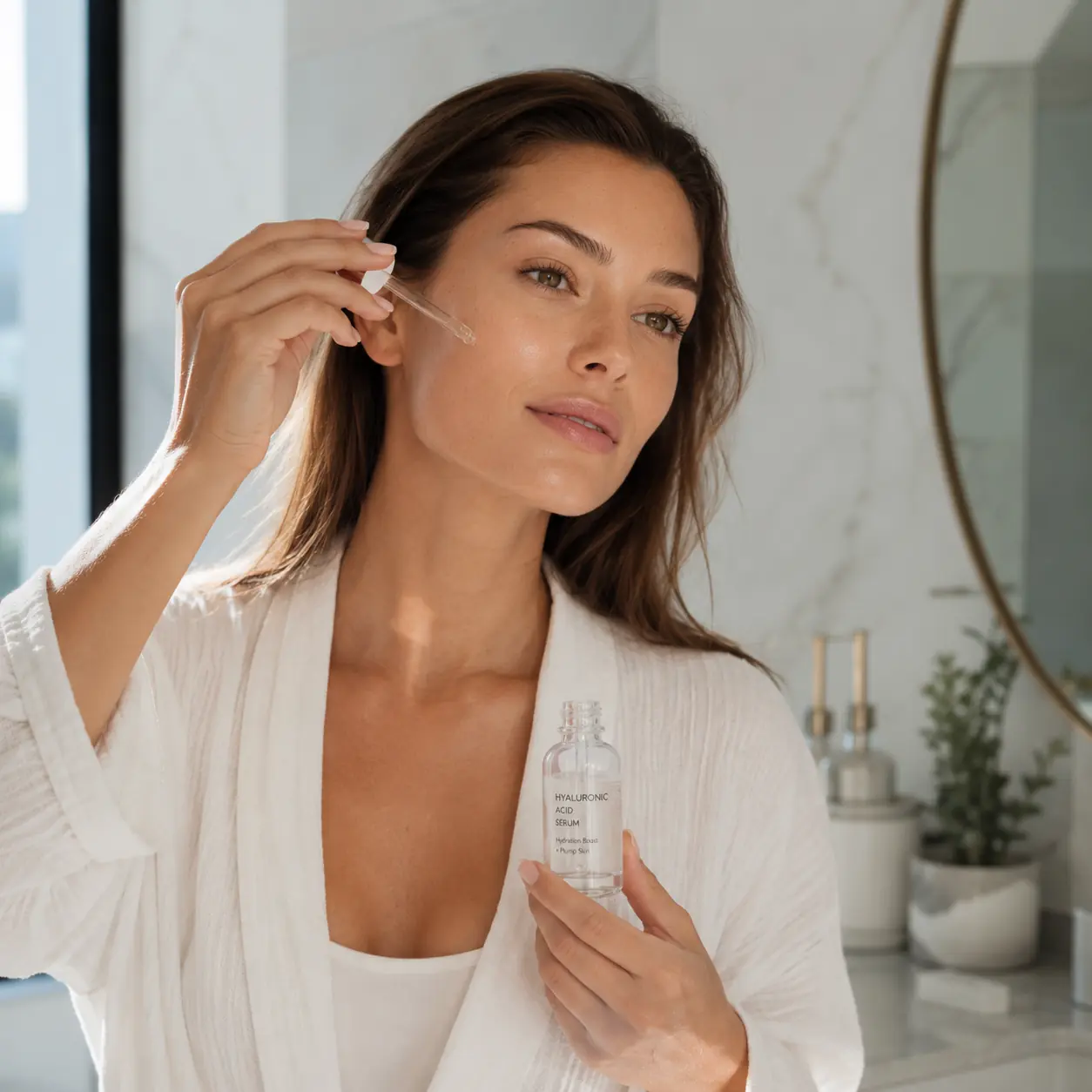
3- Hyaluronic Acid
Hyaluronic acid attracts and retains moisture.
Benefits:
- Plumps skin
- Improves hydration
- Softens fine lines
- Enhances elasticity
Ideal for all skin types.
4- Niacinamide
Niacinamide is one of the most versatile skincare ingredients.
Benefits:
- Improves skin barrier function
- Reduces redness
- Minimizes pores
- Supports hydration
- Improves elasticity
5- Peptides
Peptides are amino acid chains that signal the skin to produce collagen.
Benefits:
- Firmer skin
- Reduced wrinkles
- Enhanced repair
6- Ceramides
Ceramides strengthen the skin barrier.
Benefits:
- Lock in moisture
- Reduce dryness
- Support healthy aging
The Most Important Anti-Aging Product: Sunscreen
If you buy only one anti-aging product, make it sunscreen.
Daily broad-spectrum SPF helps protect against:
- UV damage
- Wrinkles
- Sun spots
- Collagen degradation
- Skin cancer
Best Practices
- SPF 30 or higher
- Reapply every two hours outdoors
- Use every day, even when cloudy
Recommended Anti-Aging Routine
Morning Routine
Step 1: Gentle Cleanser
Removes excess oil and impurities without stripping moisture.
Step 2: Antioxidant Serum
Apply vitamin C serum to help combat environmental damage.
Step 3: Moisturizer
Hydrates and strengthens the skin barrier.
Step 4: Sunscreen
Finish with SPF 30+.
Evening Routine
Step 1: Cleanser
Remove sunscreen, makeup, and pollutants.
Step 2: Retinol or Retinoid
Apply according to skin tolerance.
Step 3: Moisturizer
Restore hydration overnight.
Step-by-Step Guide to Preventing Wrinkles
1. Wear Sunscreen Daily
The single most effective preventive strategy.
2. Start Retinol Early
Many dermatologists recommend beginning preventative retinol use in your late twenties or early thirties.
3. Prioritize Hydration
Well-hydrated skin appears smoother and healthier.
4. Sleep Well
Aim for 7-9 hours nightly.
5. Avoid Smoking
Smoking accelerates visible skin aging.
6. Eat Antioxidant-Rich Foods
Focus on:
- Berries
- Leafy greens
- Nuts
- Fatty fish
7. Manage Stress
Chronic stress may contribute to inflammation and accelerated aging.
Natural Oils and Ingredients for Anti-Aging Skincare
Natural oils can complement a science-backed routine.
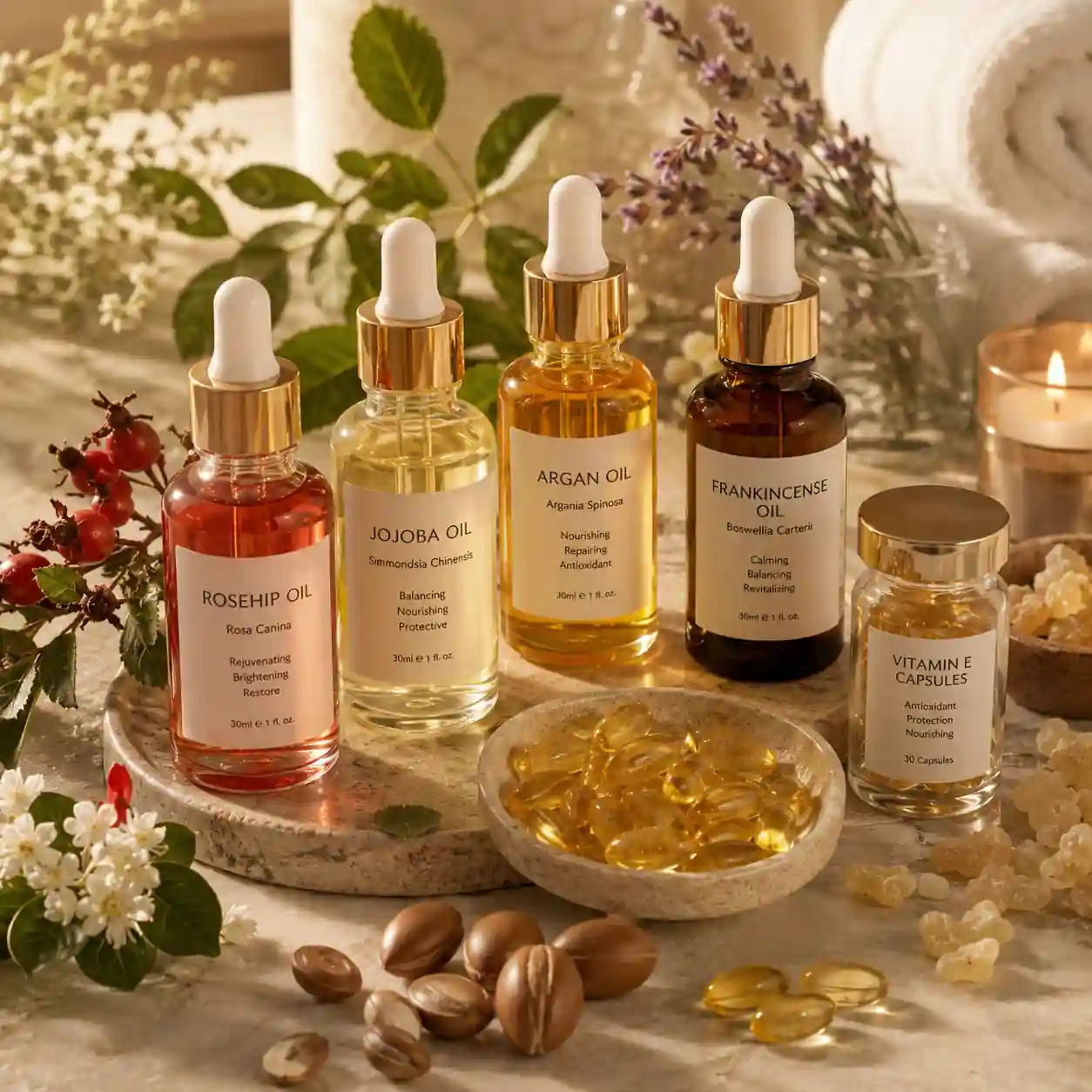
1- Rosehip Oil
Benefits:
- Rich in essential fatty acids
- Supports skin regeneration
- Improves texture
2- Jojoba Oil
Benefits:
- Mimics natural sebum
- Lightweight hydration
- Supports barrier health
3- Argan Oil
Benefits:
- Vitamin E rich
- Moisturizing
- Softens dry skin
4- Frankincense Oil
Traditionally used in skincare for:
- Supporting skin appearance
- Improving texture
- Promoting a smoother complexion
Always dilute essential oils appropriately before topical use.
5- Lavender Oil
Known for:
- Soothing properties
- Relaxation benefits
- Complementing nighttime routines
Use carefully and patch test before application.
6- Vitamin E
Benefits:
- Antioxidant protection
- Supports skin repair
- Helps maintain moisture
Recommended Ingredients and Products
When choosing anti-aging products, look for formulas containing:
| Ingredient | Main Benefit |
|---|---|
| Retinol | Wrinkle reduction |
| Vitamin C | Brightening and protection |
| Hyaluronic Acid | Hydration |
| Niacinamide | Barrier support |
| Peptides | Firmness |
| Ceramides | Moisture retention |
| Rosehip Oil | Skin nourishment |
| Jojoba Oil | Balanced hydration |
| Argan Oil | Softness and elasticity |
| Vitamin E | Antioxidant support |
Natural vs Conventional Anti-Aging Approaches
| Approach | Pros | Cons |
|---|---|---|
| Natural Oils | Gentle, nourishing | Limited wrinkle correction |
| Retinoids | Strong evidence | May cause irritation initially |
| Peptides | Well tolerated | Gradual results |
| Professional Treatments | Faster improvements | Higher cost |
| Sunscreen | Prevention powerhouse | Requires consistency |
Professional Wrinkle Treatments
For deeper wrinkles, dermatologists may recommend:
1- Chemical Peels
Help improve:
- Texture
- Pigmentation
- Fine lines
2- Microneedling
Stimulates collagen production.
Benefits:
- Firmer skin
- Improved scars
- Better texture
3- Laser Resurfacing
Can improve:
- Wrinkles
- Sun damage
- Skin tone
4- Neuromodulators
Commonly used to soften expression lines by relaxing targeted facial muscles.
Common Anti-Aging Skincare Mistakes
1- Skipping Sunscreen
The most common mistake.
2- Over-Exfoliating
Can damage the skin barrier.
3- Using Too Many Active Ingredients
May lead to irritation and inflammation.
4- Expecting Overnight Results
Most anti-aging products require weeks or months of consistent use.
5- Neglecting the Neck and Hands
These areas often show aging signs early.
What Is Anti-Aging Skincare?
Anti-aging skincare refers to products and habits that help prevent or reduce visible signs of aging, including wrinkles, fine lines, uneven skin tone, and loss of firmness. It focuses on protection, hydration, and supporting collagen production.
Does Anti-Aging Skincare Actually Work?
Yes. Scientific evidence supports the effectiveness of sunscreen, retinoids, antioxidants, moisturizers, and certain professional treatments for improving skin appearance and reducing visible signs of aging.
Can Wrinkles Be Prevented?
While wrinkles cannot be completely prevented, consistent sun protection, healthy lifestyle habits, and proven skincare ingredients can significantly delay their appearance.
How Long Does It Take to See Results?
Most people begin noticing improvements within 6-12 weeks. More significant changes in wrinkles and firmness may take several months of consistent use.
Is Anti-Aging Skincare Worth It?
For many people, yes. Preventative skincare often produces better long-term outcomes than trying to reverse extensive damage later.
Frequently Asked Questions about anti-aging skincare
What age should I start an anti-aging skincare routine?
Most experts recommend starting preventive skincare in your twenties with sunscreen, hydration, and antioxidants. Stronger ingredients like retinol are commonly introduced in the late twenties or thirties.
What is the best ingredient for wrinkles?
Retinoids have the strongest scientific support for reducing wrinkles and stimulating collagen production.
Is sunscreen really necessary indoors?
Yes. UV rays can penetrate windows, and daily sunscreen helps maintain consistent protection.
Can natural oils replace anti-aging products?
Natural oils provide hydration and nourishment but generally cannot replace evidence-based ingredients like retinoids or sunscreen.
How often should I use retinol?
Beginners should start 2-3 times weekly and gradually increase frequency as tolerated.
Which anti-aging products should I use first?
Start with sunscreen, moisturizer, and a gentle cleanser. Then add vitamin C and retinol gradually.
Can dehydration cause wrinkles?
Dehydration can make fine lines appear more noticeable, although it does not directly cause structural wrinkles.
What foods help prevent skin aging?
Foods rich in antioxidants, healthy fats, vitamins, and minerals support healthy skin aging.
Are expensive products better?
Not necessarily. Ingredient quality and formulation matter more than price.
Can men benefit from anti-aging skincare?
Healthy, youthful-looking skin isn’t about chasing perfection—it’s about protecting what you have and supporting your skin as it naturally changes over time. While aging is inevitable, many of the most common signs of premature aging, including wrinkles, fine lines, and loss of firmness, can be significantly reduced with the right anti-aging skincare approach.
By prioritizing daily sunscreen, proven anti-aging products, effective wrinkle prevention strategies, and a consistent skincare routine, you can help preserve collagen, maintain hydration, and keep your skin looking its best for years to come.
Remember, the most effective anti-aging routine isn’t built overnight. Small, consistent habits create lasting results. Start with the basics, stay patient, and give your skin the care it deserves—the future version of your skin will thank you for it.