Athlete’s Foot Antibacterial Soap: The Complete Athlete’s Foot Soap Guide for Cleaner, Healthier Feet
Still battling itchy, smelly, peeling feet no matter what you try? The problem may not be your treatment—it could be your daily foot care routine.
An athlete’s foot antibacterial soap won’t magically eliminate the fungus, but it can help create a cleaner, healthier environment that supports recovery and reduces odor-causing bacteria. Before you buy the first soap you see, read this guide. You’ll learn which ingredients actually matter, what most people get wrong, and how to build a simple foot-care routine that works.
Can athlete’s foot antibacterial soap help?
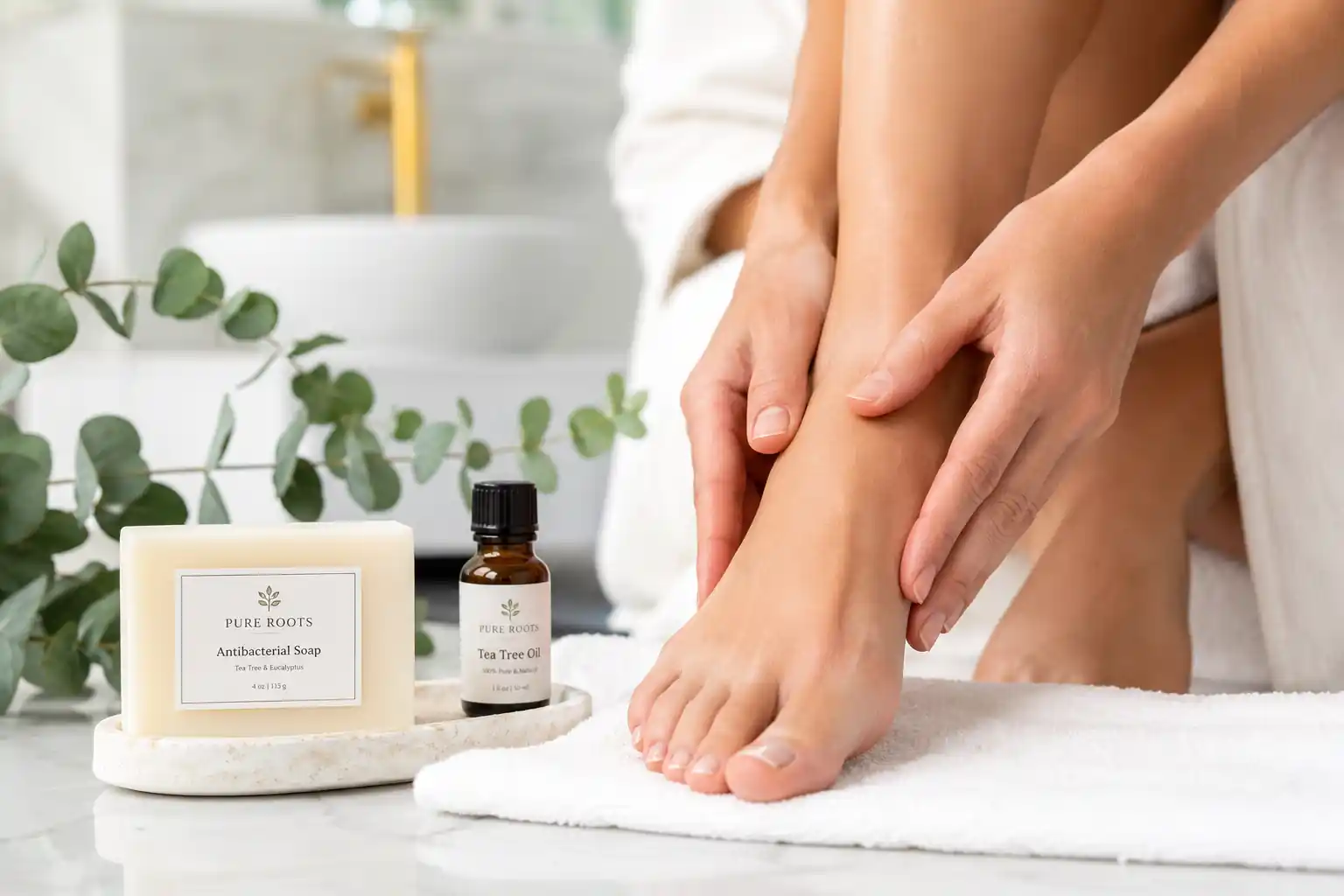
Athlete’s foot antibacterial soap can support foot hygiene by removing dirt, sweat, and odor-causing bacteria from the skin. While antibacterial soap does not directly eliminate the fungus responsible for athlete’s foot, it may help create a cleaner environment that complements antifungal treatments and daily foot care practices.
Key Takeaways
- Athlete’s foot is caused by a fungal infection, not bacteria.
- Antibacterial soap may help reduce odor and improve foot hygiene.
- Proper drying is just as important as washing.
- Antifungal treatments are usually needed to address the underlying fungus.
- Certain ingredients may support healthier skin and foot cleanliness.
- Daily cleansing can help reduce moisture buildup.
- Breathable footwear and clean socks are essential.
- Consistent foot care helps reduce recurrence risk.
Table of Contents
- What Is Athlete’s Foot?
- What Is Athlete’s Foot Antibacterial Soap?
- How Does Antibacterial Soap Work?
- Can Antibacterial Soap Cure Athlete’s Foot?
- Benefits of Using Athlete’s Foot Antibacterial Soap
- Ingredients to Look For
- Ingredients to Avoid
- How to Use Athlete’s Foot Soap Correctly
- Athlete’s Foot Antibacterial Soap vs Alternatives
- Common Myths About Athlete’s Foot Soap
- Mistakes Beginners Make
- Expert Foot Care Tips
- Internal Wellness Resources
- Frequently Asked Questions
- Final Thoughts
What Is Athlete’s Foot?
Athlete’s foot is a fungal skin infection that typically develops between the toes and on the soles of the feet.
The medical term is tinea pedis. The condition thrives in warm, moist environments such as:
- Locker rooms
- Gym showers
- Swimming pool areas
- Sweaty shoes
- Damp socks
Common symptoms include:
- Itching
- Burning
- Cracked skin
- Peeling skin
- Redness
- Foot odor
- Dry patches
Although athlete’s foot is common among athletes, anyone can develop it.
What Is Athlete’s Foot Antibacterial Soap?
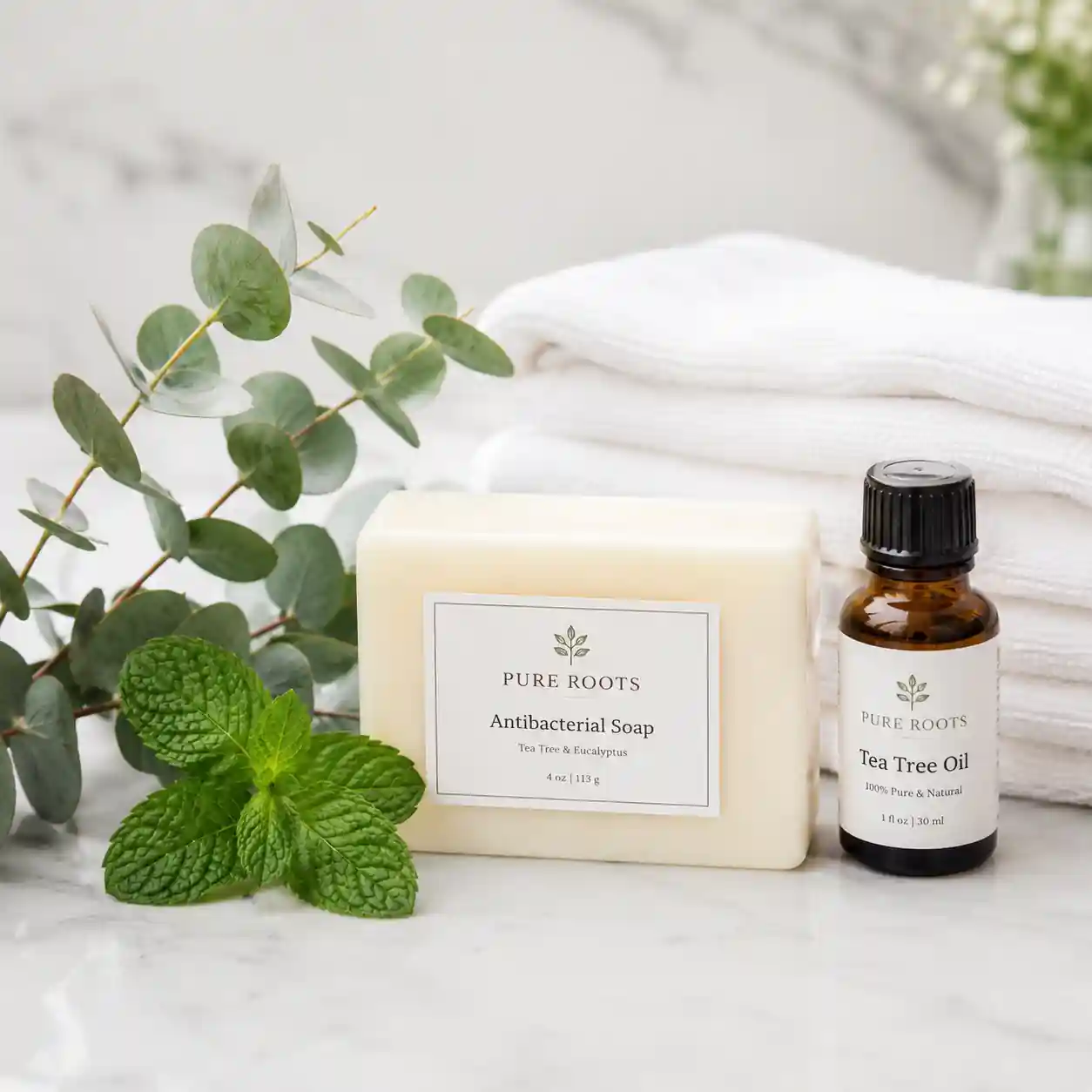
Athlete’s foot antibacterial soap is a cleansing product designed to wash away sweat, dirt, and bacteria that can contribute to odor and skin irritation.
Many products marketed for foot hygiene combine antibacterial ingredients with:
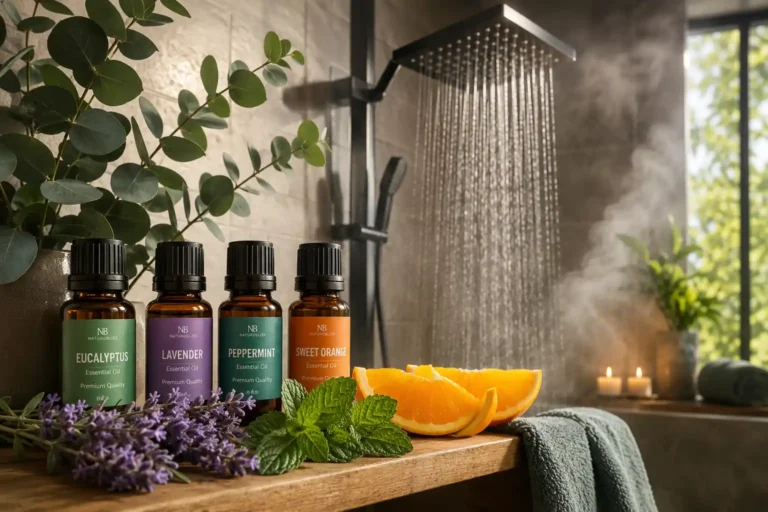
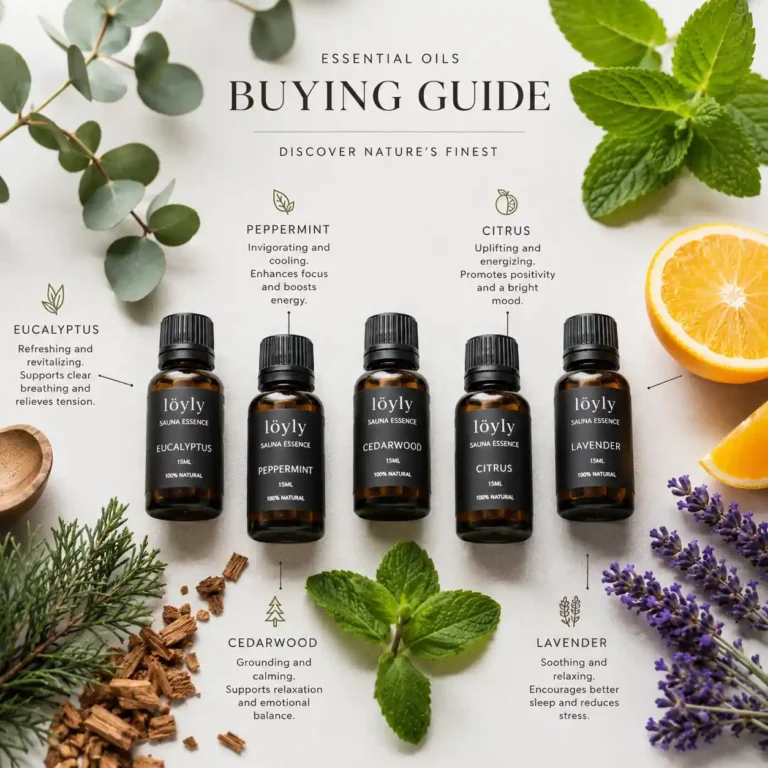
- Tea tree oil
- Peppermint oil
- Eucalyptus oil
- Charcoal
- Castile soap bases
- Moisturizing ingredients
These soaps are intended to support cleanliness and improve overall foot hygiene.
However, it’s important to understand that antibacterial soap targets bacteria, while athlete’s foot is caused by fungi.
How Does Antibacterial Soap Work?
Antibacterial soap helps reduce certain bacteria on the skin’s surface through cleansing agents and antibacterial ingredients.
The process generally includes:
- Loosening dirt and sweat.
- Removing debris from the skin.
- Reducing bacteria that contribute to odor.
- Supporting cleaner skin conditions.
By lowering bacterial buildup, these soaps may help feet feel fresher and cleaner.
Can Antibacterial Soap Cure Athlete’s Foot?
No. Antibacterial soap alone is not considered a cure for athlete’s foot because the condition is caused by a fungus rather than bacteria.
A comprehensive approach may include:
- Antifungal creams
- Antifungal powders
- Proper foot drying
- Regular sock changes
- Improved footwear hygiene
- Consistent cleansing
Think of antibacterial soap as a supportive hygiene tool rather than a standalone treatment.
Benefits of Using Athlete’s Foot Antibacterial Soap
1. Helps Reduce Foot Odor
Many unpleasant foot odors are linked to bacteria breaking down sweat on the skin.
Regular cleansing may help:
- Reduce odor
- Improve freshness
- Enhance comfort
2. Removes Sweat and Dirt
Sweat creates a moist environment that fungi love.
Daily washing helps remove:
- Excess sweat
- Dead skin cells
- Dirt buildup
3. Supports Overall Foot Hygiene
Good hygiene plays a key role in managing foot health.
Clean feet are generally easier to monitor for:
- Skin changes
- Irritation
- Early symptoms
4. May Improve Comfort
Many users report that medicated or antibacterial foot soaps leave feet feeling:
- Cleaner
- Fresher
- Less irritated
5. Encourages Consistent Foot Care
A dedicated athlete’s foot soap routine often promotes better habits overall.
Looking to improve your wellness routine?
Explore our related wellness guides and practical resources on topics such as castile soap, essential oils, sauna wellness, hydration habits, and healthy lifestyle practices.
Best Ingredients to Look For in Athlete’s Foot Soap
Tea Tree Oil
Tea tree oil is one of the most commonly used ingredients in foot care products.
Why people like it:
- Refreshing scent
- Cleansing properties
- Popular in skin care
Peppermint Oil
Peppermint offers a cooling sensation that many users find soothing.
Benefits include:
- Fresh scent
- Cooling feel
- Enhanced cleanliness perception
Eucalyptus Oil
Eucalyptus is frequently included in foot care formulations because of its refreshing aroma.
Activated Charcoal
Charcoal may help remove:
- Dirt
- Excess oil
- Surface impurities
Aloe Vera
Aloe may help support skin comfort and hydration.
Castile Soap Base
Castile soap is plant-based and often preferred by individuals seeking gentler cleansing options.
Ingredients You May Want to Avoid
Depending on your skin sensitivity, consider limiting:
- Harsh fragrances
- Excessive alcohol content
- Strong dyes
- Highly irritating detergents
People with sensitive skin may benefit from gentler formulas.
How to Use Athlete’s Foot Antibacterial Soap Correctly
Step 1: Wash Daily
Clean feet at least once per day.
Step 2: Focus Between the Toes
The spaces between toes often retain moisture.
Step 3: Rinse Thoroughly
Soap residue can sometimes contribute to irritation.
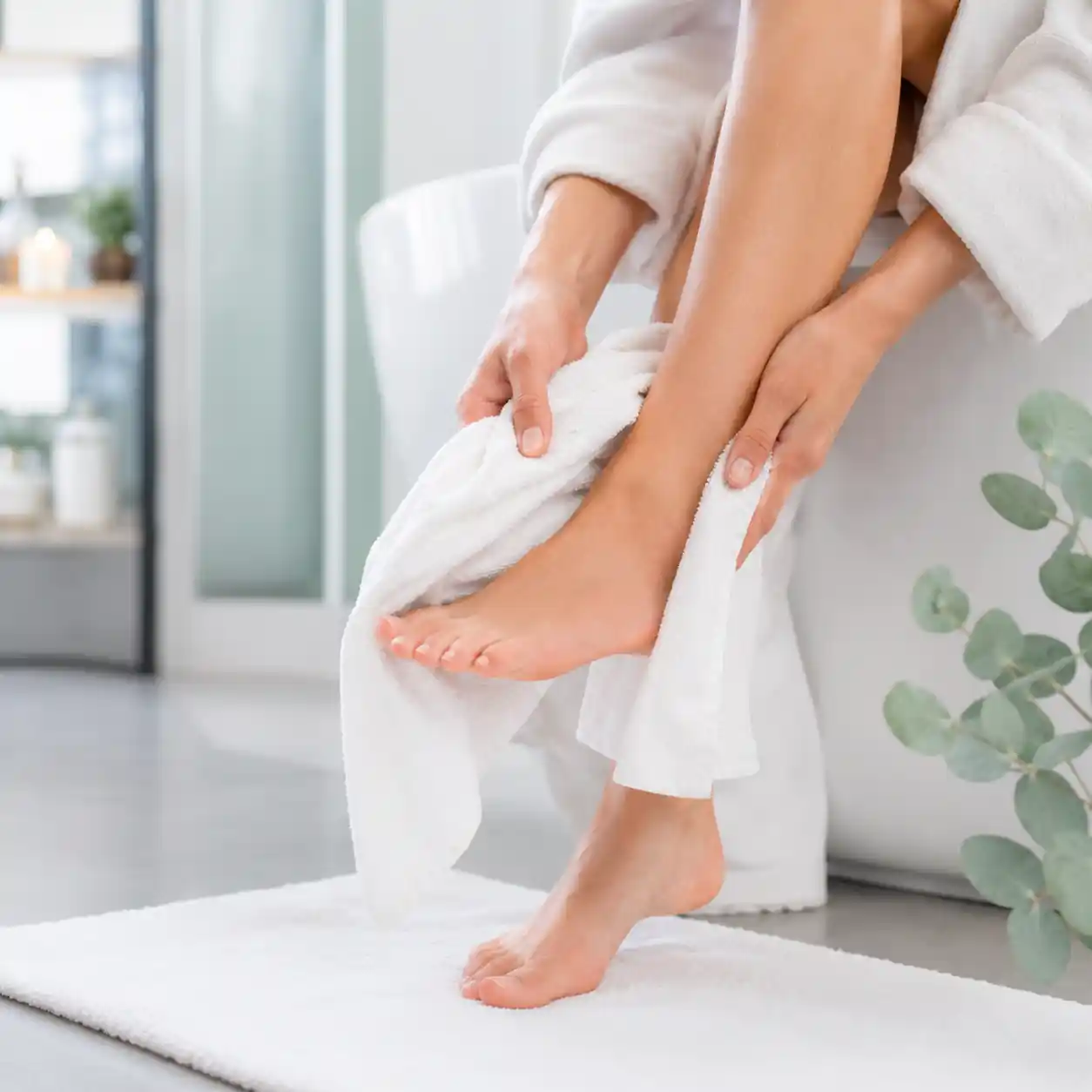
Step 4: Dry Completely
This is one of the most important steps.
Use a clean towel and carefully dry:
- Between toes
- Soles
- Sides of feet
Step 5: Apply Recommended Treatment
If using an antifungal product, apply it according to label directions or healthcare guidance.
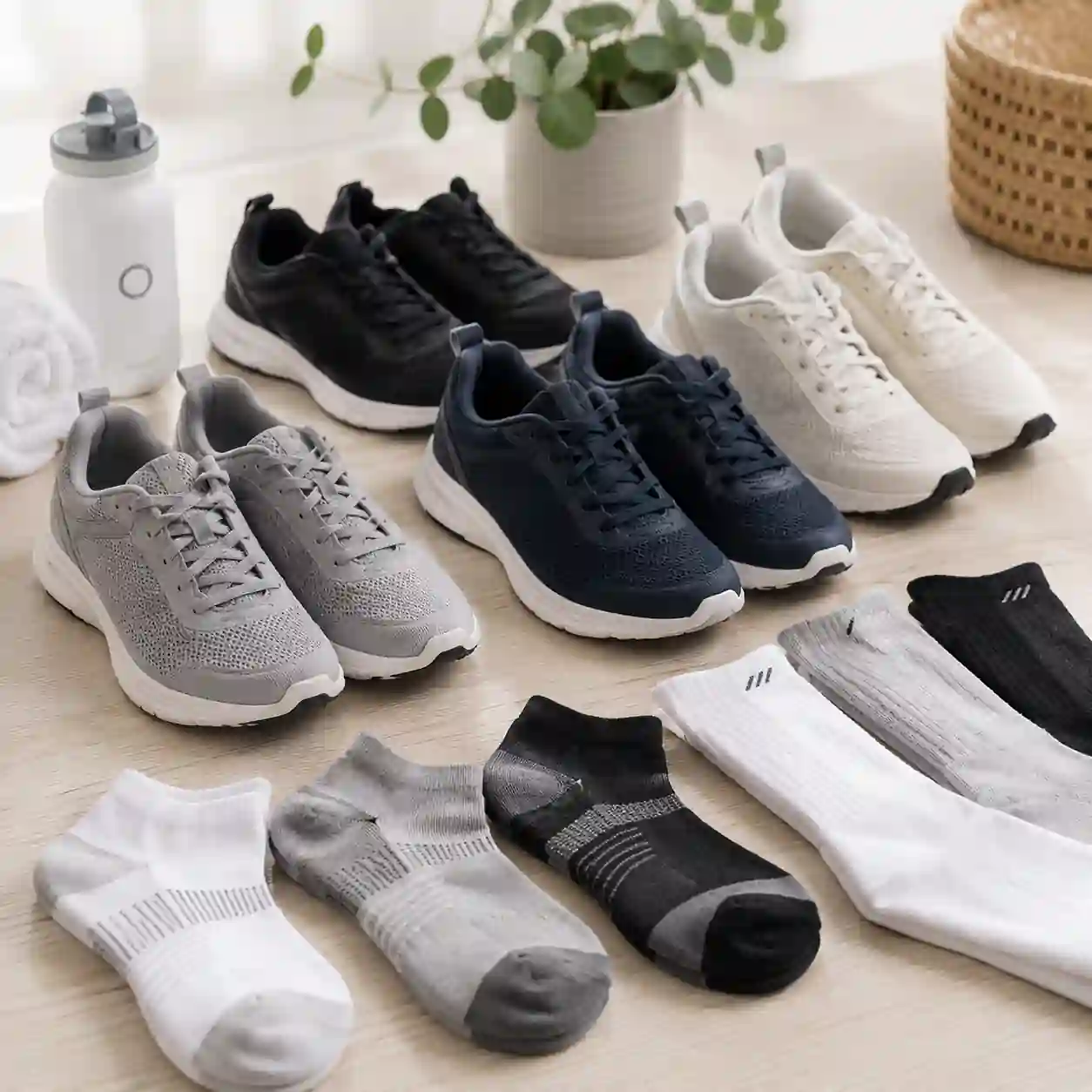
Step 6: Wear Clean Socks
Fresh socks help reduce moisture accumulation.
Athlete’s Foot Antibacterial Soap vs Alternatives
| Product Type | Main Purpose | Helps Reduce Odor | Targets Fungus Directly |
|---|---|---|---|
| Antibacterial Soap | Cleansing | Yes | No |
| Antifungal Soap | Cleansing + Antifungal Support | Yes | May contain antifungal ingredients |
| Antifungal Cream | Treatment | Limited | Yes |
| Antifungal Powder | Moisture Control | Moderate | Yes |
| Foot Spray | Convenience | Moderate | Depends on formula |
Which Option Is Best?
For many people, the best approach combines:
- Proper cleansing
- Moisture control
- Antifungal treatment when necessary
- Clean footwear habits
Who Should Use Athlete’s Foot Antibacterial Soap?
Athlete’s foot antibacterial soap may be useful for people who want cleaner, fresher feet and improved foot hygiene.
Common users include:
- Athletes
- Gym members
- Runners
- Hikers
- Workers who wear boots
- People with sweaty feet
- Individuals prone to foot odor
What Research Suggests About Foot Hygiene
Research consistently shows that moisture management is a key factor in reducing conditions that allow fungal growth.
Helpful habits include:
- Keeping feet dry
- Wearing breathable shoes
- Changing socks regularly
- Cleaning feet daily
- Avoiding prolonged dampness
These practices support overall foot health and may reduce recurrence risk.
Expert Perspective
Foot care professionals often emphasize that successful athlete’s foot management involves more than one product.
The most effective strategies usually focus on:
- Hygiene
- Dryness
- Consistency
- Appropriate antifungal treatment when needed
A soap alone rarely solves the entire problem.
Common Myths About Athlete’s Foot Soap
Myth 1: Antibacterial Soap Kills Athlete’s Foot Fungus
Reality: Athlete’s foot is fungal, not bacterial.
Myth 2: Washing More Frequently Guarantees Results
Reality: Excessive washing may irritate skin if done aggressively.
Myth 3: Foot Odor Always Means Athlete’s Foot
Reality: Odor can occur without fungal infection.
Myth 4: Barefoot Walking Helps Feet Dry Faster
Reality: It may increase exposure to contaminated surfaces.
Myth 5: Only Athletes Get Athlete’s Foot
Reality: Anyone can develop it.
Myth 6: One Wash Solves the Problem
Reality: Consistency matters.
Myth 7: Expensive Soap Is Always Better
Reality: Ingredients and proper use matter more than price.
Mistakes Beginners Make
Avoid these common errors:
- Not drying between toes
- Wearing damp socks
- Reusing sweaty shoes
- Stopping treatment too early
- Assuming antibacterial equals antifungal
- Ignoring recurring symptoms
- Sharing towels
- Walking barefoot in public showers
Practical Foot Care Routine
Morning
- Wash feet
- Dry thoroughly
- Wear clean socks
During the Day
- Change socks if heavily sweating
- Use breathable footwear
Evening
- Wash feet again if necessary
- Inspect skin for irritation
- Allow shoes to air out overnight
Consistency often matters more than complexity.
Want more evidence-based wellness tips?
Browse our growing collection of expert wellness articles covering hydration, aromatherapy, sauna wellness, natural self-care practices, and healthy daily habits.
Frequently Asked Questions about Athlete’s Foot Antibacterial Soap
Does athlete’s foot antibacterial soap work?
It can support hygiene by cleaning the skin and reducing odor-causing bacteria. However, it does not directly cure fungal infections. Many people use it alongside antifungal treatments and moisture-control strategies.
Can antibacterial soap make athlete’s foot worse?
For most people, no. However, overly harsh soaps may irritate sensitive skin. Choosing a gentle formula and moisturizing when needed can help maintain skin comfort.
What soap is best for athlete’s foot?
Many people prefer soaps containing tea tree oil, peppermint, eucalyptus, charcoal, or other cleansing ingredients. The best choice depends on skin sensitivity and overall foot care needs.
Is antibacterial soap the same as antifungal soap?
No. Antibacterial soap targets bacteria, while antifungal soap contains ingredients intended to target fungi. They serve different purposes.
How often should I wash feet with athlete’s foot soap?
Most people benefit from washing once daily. Those who sweat heavily may require additional cleansing after exercise or intense activity.
Can athlete’s foot return after treatment?
Yes. Recurrence is common if moisture control and foot hygiene habits are not maintained consistently.
Should I wash shoes too?
Cleaning and drying shoes regularly may help reduce moisture buildup and improve overall foot hygiene.
Is foot odor always caused by athlete’s foot?
No. Foot odor often results from bacteria breaking down sweat and can occur without fungal infection.
Can children use athlete’s foot soap?
Many products are suitable for children, but parents should review labels and consult healthcare professionals when necessary.
Does tea tree oil soap cure athlete’s foot?
Tea tree oil soap is commonly used for cleansing, but it should not be viewed as a guaranteed cure. Persistent symptoms may require medical evaluation.
How can I prevent athlete’s foot naturally?
Helpful strategies include keeping feet dry, changing socks daily, wearing breathable shoes, and maintaining consistent foot hygiene.
Is athlete’s foot contagious?
Yes. The fungus can spread through direct contact or contaminated surfaces such as locker room floors and shared showers.
Why is drying between toes important?
Moisture trapped between toes creates an environment where fungi may thrive. Thorough drying helps reduce excess moisture.
Can I use antibacterial soap every day?
Most antibacterial soaps are designed for daily use, though people with sensitive skin may prefer gentler formulas.
Are natural soaps effective for foot hygiene?
Many natural soaps can effectively clean the skin. Effectiveness depends on ingredients, consistency, and overall hygiene habits.
When should I see a healthcare professional?
Seek medical advice if symptoms are severe, persistent, spreading, painful, or do not improve with appropriate self-care measures.
Can socks affect athlete’s foot?
Yes. Moisture-wicking socks and frequent sock changes can help keep feet drier throughout the day.
What type of shoes are best?
Breathable shoes that allow airflow and moisture evaporation are often preferred for foot comfort and hygiene.
Final Thoughts on Athlete’s Foot Antibacterial Soap
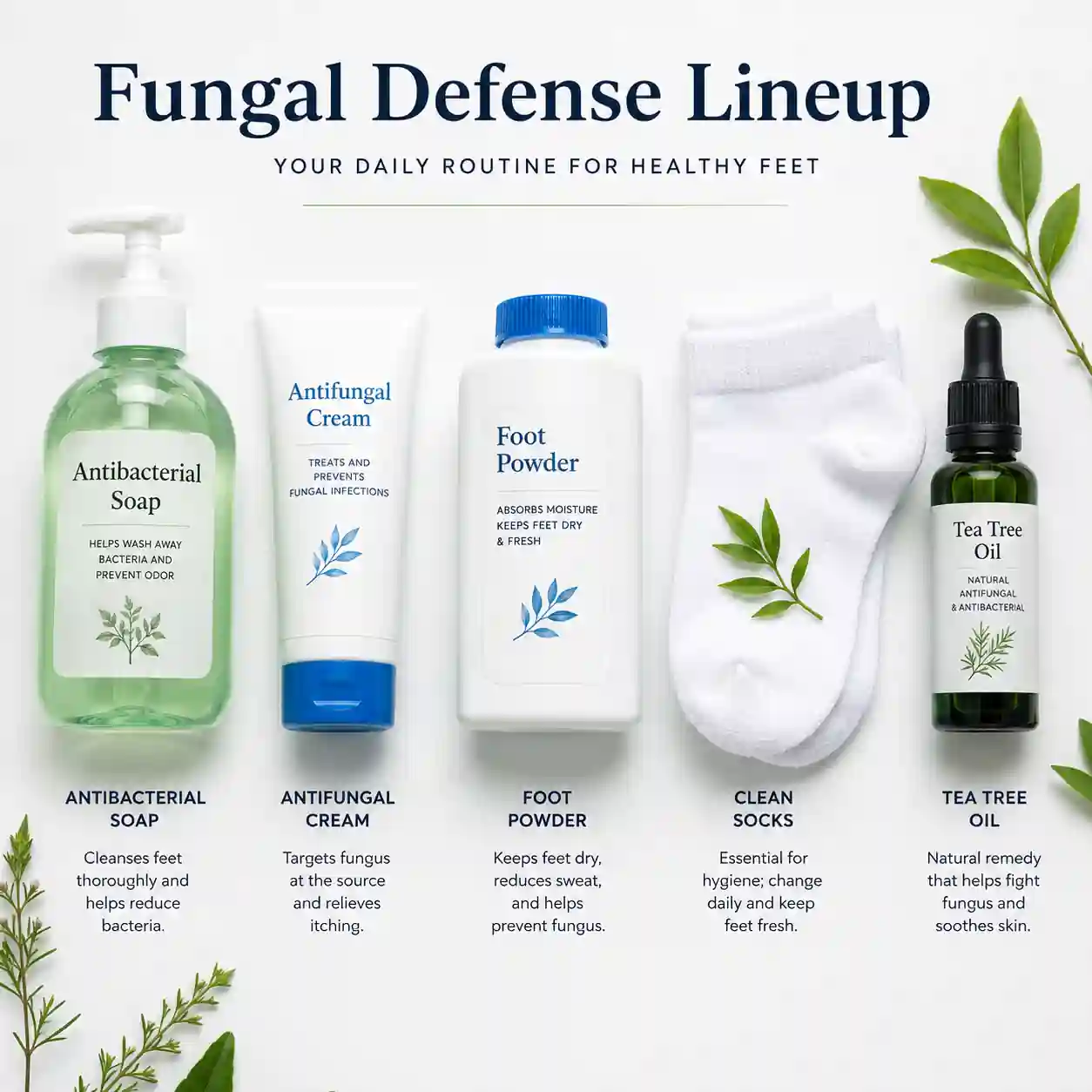
An athlete’s foot antibacterial soap isn’t a magic cure, but it can be an important part of a smarter foot-care routine. By helping remove sweat, dirt, and odor-causing bacteria, the right soap supports cleaner, fresher feet and complements other athlete’s foot prevention and treatment strategies.
Remember, healthy feet depend on more than just what you wash with. Consistent habits—such as drying thoroughly between your toes, wearing breathable shoes, changing socks regularly, and using antifungal treatments when needed—often make the biggest difference in long-term foot health.
If you’re ready to upgrade your wellness routine, explore more expert guides from H2O Blends. From natural self-care and hydration tips to aromatherapy, sauna wellness, and healthy lifestyle inspiration, you’ll find practical resources designed to help you feel your best every day—starting from the ground up.